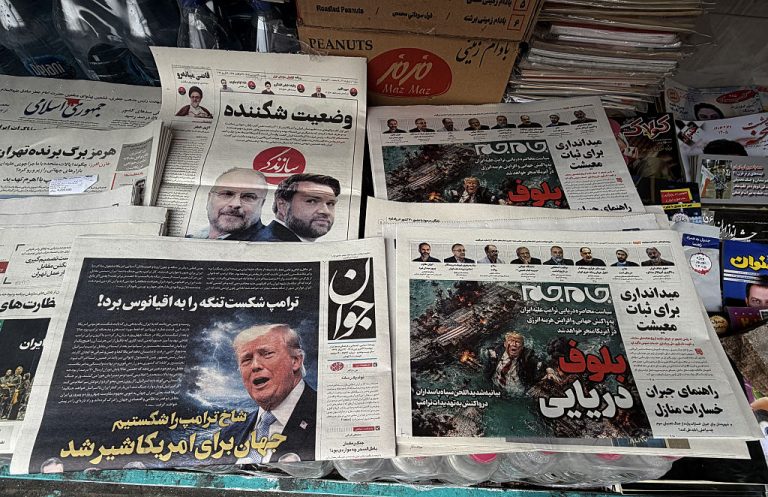
According to the Associated Press, on Monday, April 13 U.S. President Donald Trump issued a new warning to Iran, saying the United States has imposed a blockade on Iranian ports and that any Iranian naval vessels approaching the blockade zone would be sunk by U.S. forces.
Trump wrote on the social media platform Truth Social that although Iran’s navy has been “completely destroyed,” the U.S. military has not sunk its “fast attack boats.”
He warned that if these vessels approach the blockade area, the U.S. Navy would respond using tactics similar to those used against maritime drug trafficking boats.
At 10:00 a.m. ET Monday, the U.S. military expanded a blockade east of the Strait of Hormuz, covering the Gulf of Oman and the Arabian Sea. The U.S. United States Central Command stated that the blockade applies to all vessels, regardless of flag.
The notice stated: “Any vessel entering or exiting the restricted area without authorization will be subject to interception, diversion, or even seizure.”
Success
You are now signed up for our newsletter
Success
Check your email to complete sign up
However, the U.S. also said the blockade would not interfere with neutral transit through the Strait of Hormuz for ships traveling to or from non-Iranian destinations.
Bloomberg reported that Iran has stated it would launch attacks on the Persian Gulf and surrounding ports if its shipping hubs are threatened.
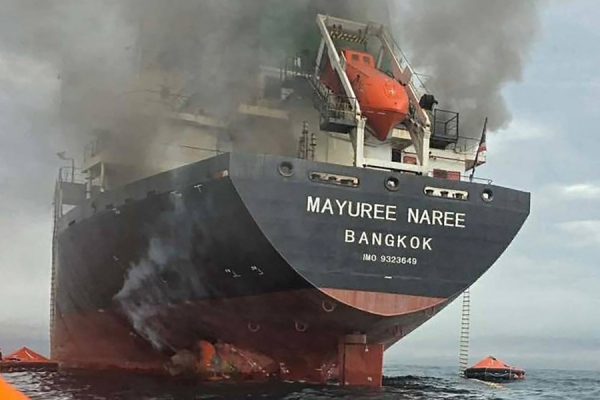
Blockade covers Iran’s entire coastline; oil prices surge again
The notice further stated that the blockade “covers Iran’s entire coastline, including but not limited to ports and oil terminals.”
It added that humanitarian shipments, including food, medical supplies, and other essential goods, would be allowed through after inspection.
The move came after weekend U.S.–Iran negotiations collapsed, failing to produce results after six weeks of talks. As a result, international oil prices rose again above $100 per barrel.
Following the start of the blockade, ripple effects were already seen, with at least two oil or chemical tankers linked to China turning back from the strait.
CBS News reported, citing maritime analytics company MarineTraffic data, that a tanker named Rich Starry, originally headed for China, abruptly turned back about 20 minutes after the blockade began. The vessel is flagged under Malawi, a landlocked country, and is considered a “flag-of-convenience” ship. Meanwhile, another tanker, Ostria, also flagged under a different landlocked country and partially carrying oil, left the strait. The ship flies the Botswana flag, and Botswana is likewise a landlocked African nation.