On April 16, a CCP-affiliated outlet published a report titled: “Expanding military production capacity: the United States ‘targets’ the auto industry.”
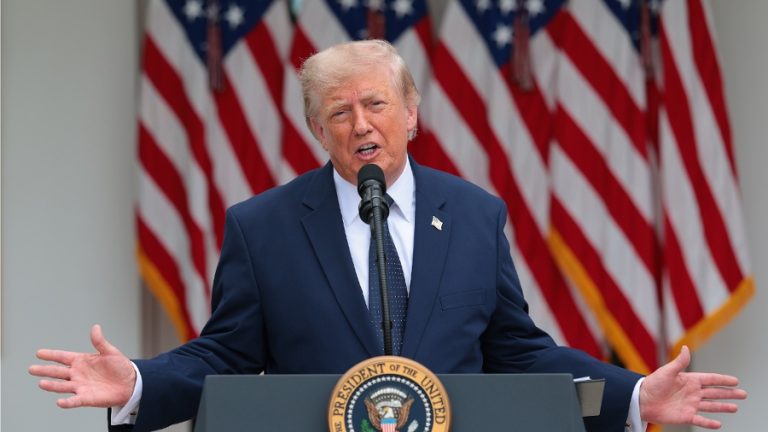
The report claims that according to the Wall Street Journal, the U.S. Trump administration is exploring using industries such as the automotive sector to manufacture weapons.
Citing informed sources, the report says senior U.S. government officials have held discussions with industry leaders about defense production, including CEOs from companies such as General Motors (Mary Barra) and Ford (Jim Farley). Executives from Lockheed Martin and Textron were also said to have joined discussions.
The report claims the U.S. government may recruit these companies to use their workforce and factory capacity to increase production of ammunition and other military equipment, reminiscent of the U.S. mobilization during World War II.
Sources say the discussions are still preliminary and limited in scope. Officials are reportedly asking whether these industries could shift toward national defense work as a supplement to traditional defense contractors.
Success
You are now signed up for our newsletter
Success
Check your email to complete sign up
According to the report, discussions began before the Iran-related conflict escalation. In March, President Trump also met with executives from seven major U.S. defense contractors to discuss production planning.
Reuters and other media reported that Trump asked Congress in April for a defense budget of $1.5 trillion for fiscal year 2027, a 40 percent increase from the previous year and the largest increase since World War II.
So why is CCP media paying so much attention? The key point is that the Trump administration’s actions are seen as being directed at the CCP. In U.S. history, there has been the idea of “using a production avalanche to overwhelm enemies”—and the implied target is China.

US military expansion signals
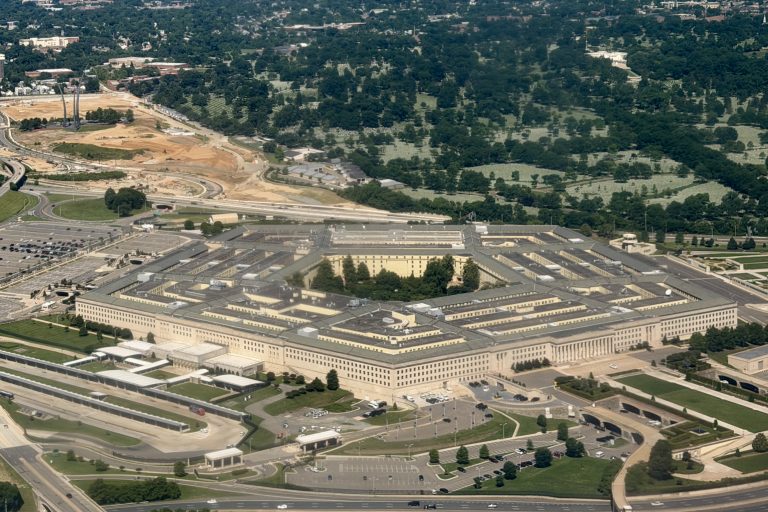
On April 15, the U.S. Congressional Armed Services readiness subcommittee held a hearing on the FY2027 defense budget. Senior officers from the Army, Navy, Air Force, Marine Corps, and Space Force all testified, focusing on China.
The U.S. Deputy Chief of Naval Operations said China has undergone an unprecedented military expansion over the past 20 years, modernizing across all domains and improving training. He cited PLA exercises near U.S. partners, joint drills with Russia in Alaska, and live-fire exercises near Australia, saying these highlight the need for a combat-ready force.
The U.S. Air Force Vice Chief of Staff said the Air Force is improving readiness through expanded pilot training, dispersed operations, and upgraded bases to prepare for potential conflict with China. He emphasized flexibility and the “Agile Combat Employment (ACE)” strategy, which disperses aircraft and personnel to complicate enemy strike planning.
He also noted large-scale exercises involving 400 aircraft and 15,000 personnel across 50 locations to test logistics, intelligence, and base support capabilities.
The Army Vice Chief of Staff emphasized the need to strengthen the defense industrial base and ammunition production capacity to sustain long-term conflict with a peer competitor like China. He said the Army must upgrade factories, increase output, and deepen cooperation with industry.
The article argues that Trump’s weapons production plan is concrete preparation for potential confrontation with China.
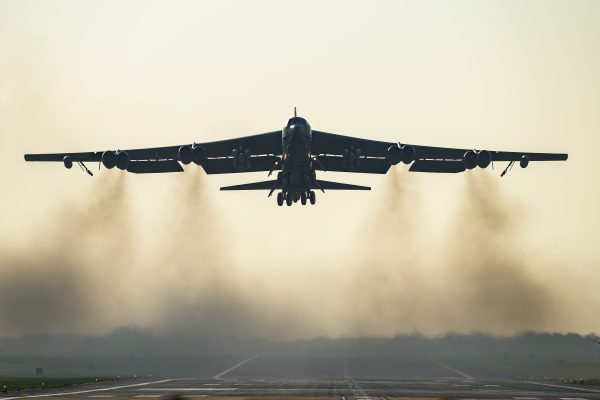
WWII comparison
The Wall Street Journal report reportedly noted that U.S. officials are considering mobilizing private industry for defense production, reminiscent of World War II industrial mobilization.
The article emphasizes that this historical comparison is meaningful: it suggests the scale of industrial power the U.S. could mobilize.
A Japanese military figure was quoted as saying that fighting the United States is equivalent to fighting a country with immense industrial capacity. Even Japan’s military leadership during WWII ultimately believed defeat was inevitable due to U.S. industrial strength.
During WWII, the U.S. produced massive quantities of war material, including tanks, vehicles, aircraft, ships, ammunition, and steel—on a scale unmatched in history.
The article highlights that automotive executives such as Mary Barra (GM) were mentioned in discussions about shifting production toward defense manufacturing.
It also references William Knudsen, a Danish-born executive who led wartime U.S. industrial production mobilization and later became a key figure in war production management. His leadership significantly increased U.S. production capacity during WWII.
Knudsen famously said the U.S. won the war by overwhelming its enemies with a “production avalanche” of unprecedented scale.
The article concludes that the CCP is reacting strongly because it believes Trump is activating a “super military-industrial machine,” and that Xi Jinping’s leadership faces a difficult challenge: limited financial, industrial, and technological capacity compared to the U.S., making it hard to match in a prolonged arms race.
It ends by suggesting that China may struggle to cope with a potential large-scale “military-industrial competition.”