Wang Shi, the 74-year-old founder of Vanke, China’s once-dominant state-backed property giant, once broke three ribs while skiing to keep up with his much younger wife, the lifestyle influencer and actress Tian Pujun. He sat through an entire lunch with her before driving himself to the hospital alone. Tian later recounted the story on camera with apparent astonishment, saying she had no idea he was injured. The anecdote went viral as proof of Wang’s physical resilience and his devotion to a wife thirty years his junior.
A darker version circulated alongside it. While Wang lay alone in a hospital operating room wrapped in bandages, Tian was on a screen elsewhere, dressed immaculately, using a diamond-tipped pointer to promote a 990,000-yuan (roughly $136,000) etiquette course for the wives of wealthy men.
The two images reflect a contrast in the couple’s public portrayal. For more than a decade, the pair appeared in Chinese media narratives as a high-profile romance during the country’s property boom. Recent developments suggest a shift in that trajectory, driven in part by changes within China’s political and business environment.
Weibo post by politically connected broadcaster signals shift in Wang Shi’s status
On April 12, Qin Feng, the director-general of Hong Kong Satellite Television’s general channel and the niece of former Chinese foreign minister Li Zhaoxing, posted a brief message on Weibo, China’s most widely used social media platform: “Wang Shi has been arrested…” The post spread rapidly across Chinese social media. Wang Shi’s name rose quickly in trending searches.
Tian Pujun responded online: “This is a society governed by law. Do people think spreading rumors carries no consequences?” The response drew mixed reactions. Within China’s political environment, statements from individuals with elite family backgrounds are often interpreted as carrying broader implications beyond personal opinion.
Success
You are now signed up for our newsletter
Success
Check your email to complete sign up
Wang Shi’s lawyers issued denials and indicated they may pursue legal action against Qin. Some observers interpreted the response as limited in practical effect.
The significance of Qin’s post was less about confirming a detention than about the signal it conveyed. Within political and business circles, it was interpreted by some as indicating that Wang Shi no longer retained the same level of protection. Wang had long operated as a prominent figure associated with politically connected capital, often described in China’s business context as a “white glove”—a private-sector figure representing state-linked financial interests. In such arrangements, responsibility may fall on the visible figure when circumstances change.
Qin later posted again: “Retirement is not a shield. It will happen sooner or later. Whether there’s an official announcement depends on operational needs. Being seen in public doesn’t mean you haven’t already been brought under control.”
Complaint alleges large-scale financial misconduct involving Vanke operations
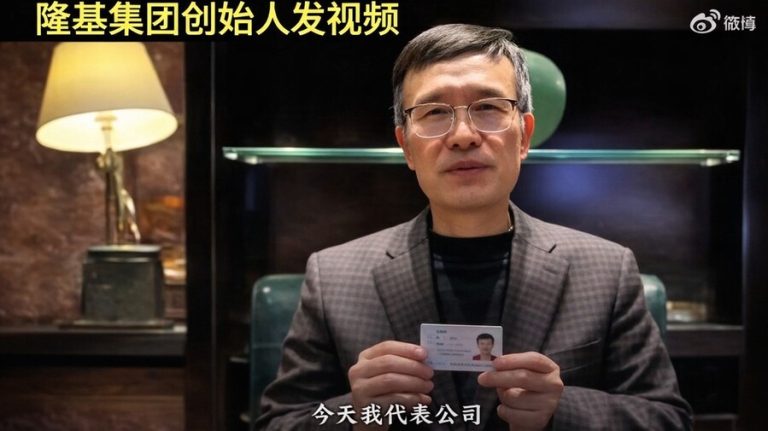
Questions surrounding Wang Shi’s situation have been linked to a criminal complaint filed in March by Li Ruibin, founder of Xi’an-based Longji Group, a former development partner of Vanke.
The complaint was submitted around March 15, China’s annual Consumer Rights Day, a period when regulators and state media increase attention on corporate conduct. Li also posted three videos on Douyin, naming Vanke and Wang Shi and alleging fraud, asset diversion, and irregular financial practices.
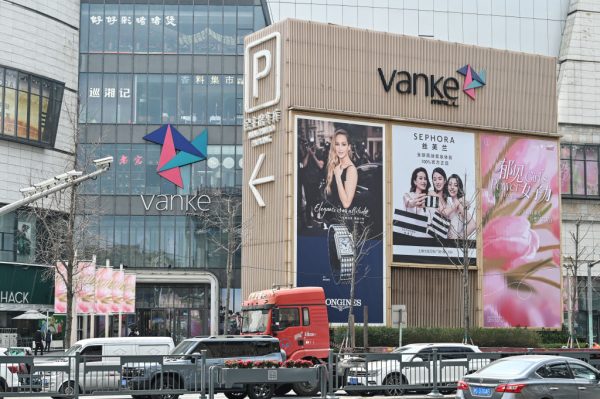
According to the complaint and reporting by Sina Finance, Vanke allegedly operated a network of affiliated companies resembling a shadow banking structure. Over the past decade, the company is said to have established more than 3,000 related entities, supported in part by its market position and its association with Shenzhen Metro, a state-owned shareholder.
The complaint describes a pattern in which Vanke entered joint ventures with smaller developers, took control of project funds, and managed those funds through internal accounts. It also alleges that Vanke extended high-interest loans to partners, with annual rates ranging from 18 to 24 percent or higher.
Some partners reportedly faced contractual changes, equity disputes, and legal pressure. In certain cases, third-party lenders were allegedly used to issue loans with interest rates reaching 36 percent annually.
Reported impact includes financial losses, disputes, and project disruptions
The complaint identifies several cases cited as examples of alleged impact.
Chen Shengqiang, associated with a Shenzhen redevelopment firm, reportedly entered a project partnership with Vanke. According to the complaint, control of project funds shifted, financial results were adjusted, and he was left with approximately 800 million yuan in debt.
Another case involves a housing company owner in Tangshan who reportedly entered high-interest financing arrangements totaling 1.1 billion yuan. According to the complaint, financial losses followed, and the individual later died by suicide.
In Xi’an, allegations include the diversion of presale funds—payments made by homebuyers before construction completion—leaving some buyers without completed properties. Longji Group reported losses of 4.2 billion yuan, and some employees reportedly went unpaid.
As early as 2024, multiple Vanke joint-venture partners filed complaints alleging fund diversion and tax-related irregularities.
During this period, Wang Shi remained active in public appearances, including outdoor sports, sailing events, and speaking engagements on environmental and corporate topics.
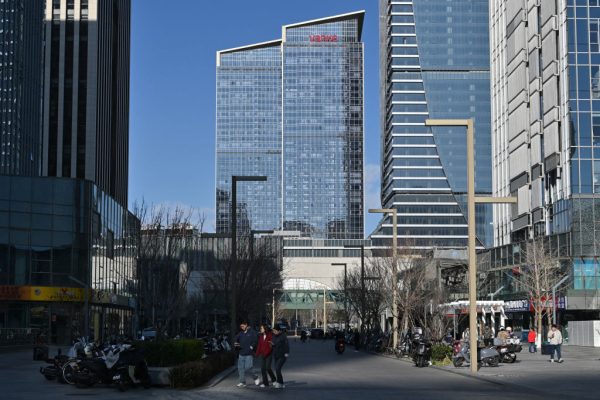
Financial pressure on Vanke coincides with broader property sector strains
Recent financial disclosures show Vanke reporting combined losses exceeding 138 billion yuan over two years, with interest-bearing debt of 358.4 billion yuan.
Zhu Jiusheng, the company’s former president and chief executive, is under investigation in connection with funds exceeding 60 billion yuan. Yu Liang, Vanke’s chairman, has faced legal disputes, and several senior executives have resigned.
Reports indicate that Wang Shi had been subject to travel restrictions prior to the public discussion triggered by Qin Feng’s post.
Developments involving Vanke have been viewed within the context of China’s broader property sector challenges. In periods of financial strain, high-profile figures may become focal points for regulatory or legal actions.
Qin’s post has been interpreted by some observers as reflecting a change in how Wang Shi is viewed within elite circles.
Legal responses face constraints within China’s political-legal system
Wang Shi’s legal team has issued statements denying the allegations and indicating possible legal action.
In China’s political-legal framework, however, legal outcomes may be influenced by factors beyond courtroom proceedings. Observers note that high-profile cases often involve coordination between political and judicial processes.
Public narratives surrounding Wang Shi have shifted in recent weeks, with increasing attention on both the allegations and the broader implications for the property sector.
Editor’s Note: This article is based on media reports, publicly shared online videos, blogger statements, and personal testimony cited by overseas media. Allegations related to financial misconduct and other claims have not been independently verified and are presented as claims or suspicions raised by the sources.