


Death Valley, home to one of the most inhospitable environments on Earth, has sprung to life with an exceptional superbloom of wildflowers after an unusually heavy rainfall (a whopping 2.5 inches over the course of three months).
A geographical anomaly
Located mostly in southeastern California, Death Valley is a rift valley that started to take shape 30 million years ago with the sinking of a huge (approximately 140 miles by 10 miles) crustal block and the subsequent lifting of adjacent blocks to form mountain ranges.
The valley is unique in that much of it lies below sea level, with Badwater Basin marking the lowest altitude in all of North America — at 282 feet (86 meters) below sea level. The central valley’s bedrock is buried in thousands of feet of sediment eroded from higher elevations.
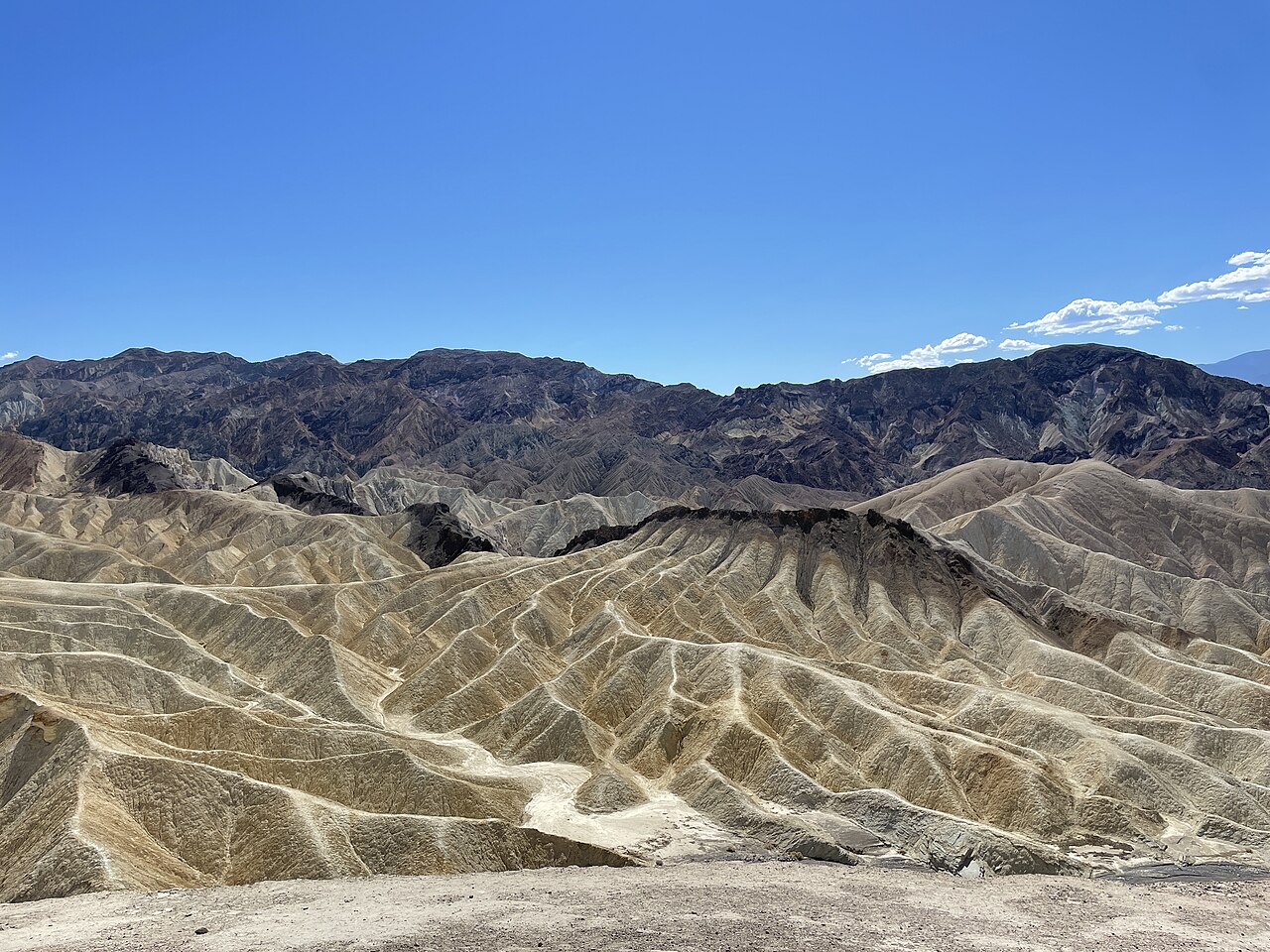
With mountains on either side, almost all precipitation is blocked, rendering Death Valley also the driest, and hottest area in North America.
Life in the desert
Regional landscape features like Badwater Basin, Black Mountains, Funeral Mountains, Furnace Creek, and the Amargosa (Bitter) Range hardly sound like inviting destinations, yet Death Valley National Park attracts nearly one million visitors each year.
Success
You are now signed up for our newsletter
Success
Check your email to complete sign up
With an average annual rainfall of less than two inches per year, Death Valley is classified as a desert; yet unlike other North American deserts, it is not a host to handsome cacti. The Valley’s extreme heat and high salinity cannot support most succulents — yet it is far from devoid of life.
Annuals, much like the border plants you pop into your beds each spring, are oddly adapted to this harsh environment. Rather than trying to tough out the extreme conditions, they are quick to flower and form loads of seeds that hold the germ of future generations until conditions are ripe for growth.
The superbloom
Between November 2025 and January 2026, Death Valley experienced rainfall that surpassed its total annual average, which set these seeds into action.
By mid February, the lower elevations already were beginning to flower. Soon, the desert was painted in gold, with Geraea canescens (desert gold) in full bloom.
Other low-lying flora — like desert five-spot (Eremalche rotundifolia), notch-leaf phacelia (Phacelia crenulata), caltha-leaf phacelia (Phacelia calthifolia), golden evening primrose (Camissonia brevipes), gravel ghost (Atrichoseris platyphylla), and Bigelow monkeyflower (Mimulus bigelovii) — completed the canvas.
By mid-March, peak bloom had passed — with the most splendid spectacle since 2016. Higher elevations will continue to flower through May, June, and into July.
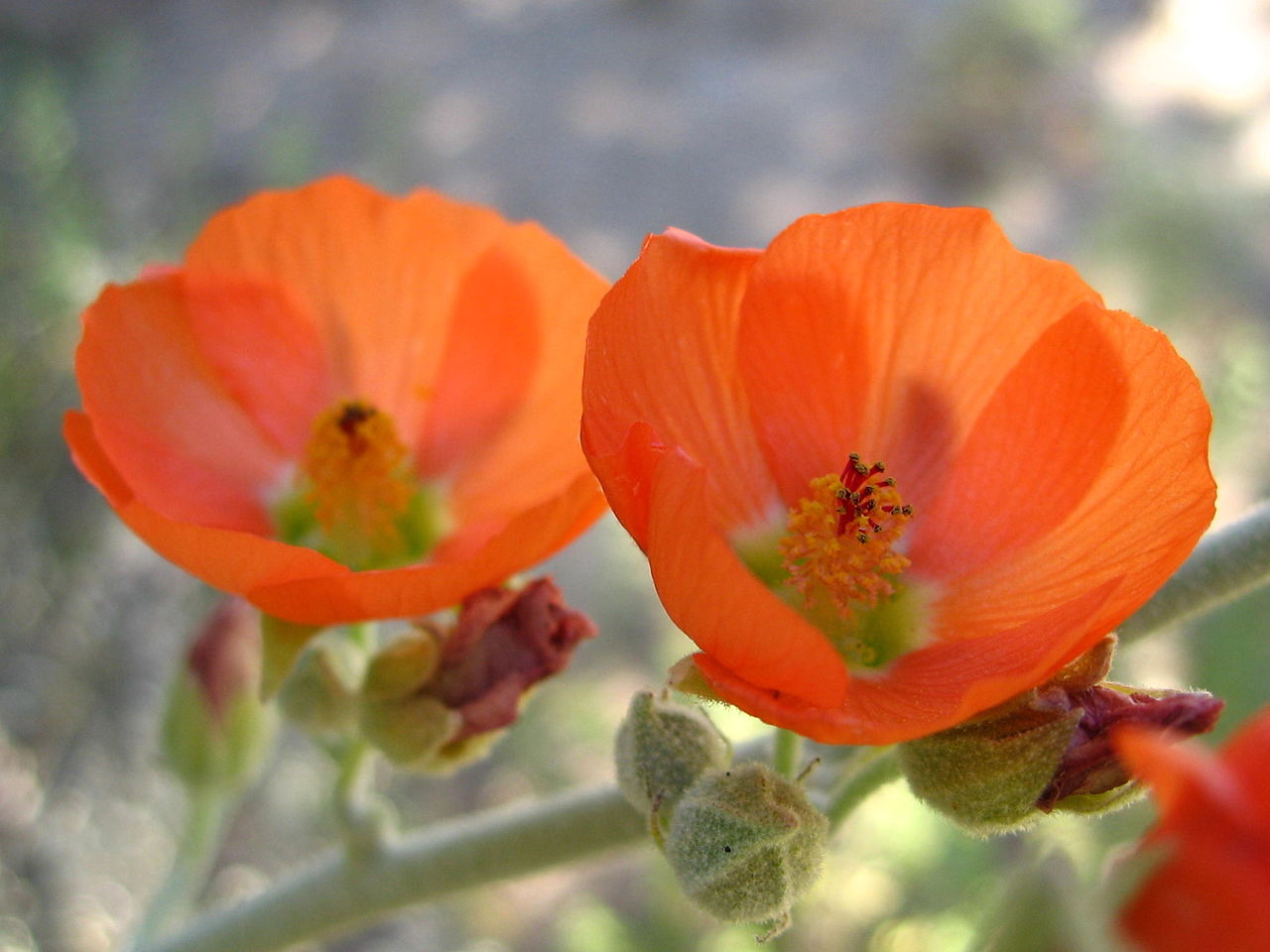
In April, the floral performance moved to elevations between 3,000 and 5,000 feet, where it will remain into early May. Desert dandelion (Malacothrix glabrata), brittlebush (Encelia farinosa), princesplume (Stanleya pinnata), desert paintbrush (Castilleja chromosa), Frémont’s phacelia (Phacelia fremontii), mojave aster (Xyloriza tortifolia), Bigelow’s coreopsis (Leptosyne bigelovii), and indigo Bush (Psorothamnus arborescens) present a cacophony of color, with desert globemallow (Sphaeralcea ambigua) stealing the show.
Moving up to elevations between 5,000 and 11,000 feet, desert mariposa (Calochortus kennedyi), purple sage (Salvia dorrii), rose sage (Salvia pachyphylla), panamint penstemon (Penstemon floridus austinii), magnificent lupine (Lupinus magnificus) and Inyo lupine (Lupinus excubitus) should be visible from May into July.


