March is a pivotal month in the garden, with everything on the verge of springing back to life after a long rest. To ensure a successful season, it’s important to take advantage of the last few weeks of chilly weather and prepare for the quick transition ahead.
Here in New Jersey our final frost date typically occurs around April 24, but there’s plenty to do before that critical date. In fact, many things must be done before the beautiful weather arrives. There are indoor tasks you can tackle on the most miserable days, hat-and-gloves tasks for when the ground is still frozen, and then fair-weather tasks once it thaws.
March gardening: indoor tasks
Clean your tools
Although the dirty work may be weeks away, when it’s time to start digging and cutting you don’t want to be hampered with crusty, rusty tools. Use a yucky day to polish and sharpen your utensils for a fresh start.
Clean your containers
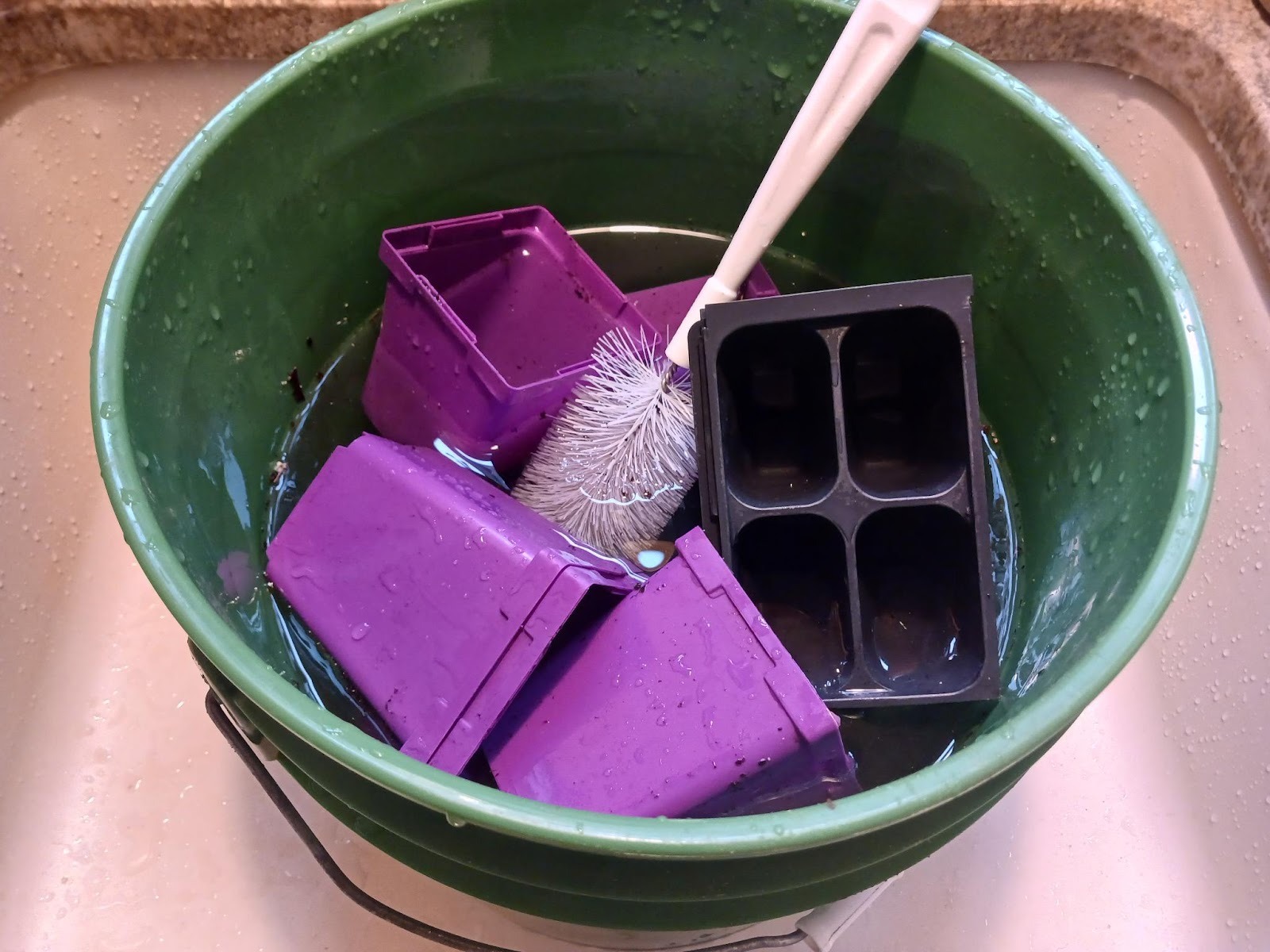
It’s great to reuse your pots and seed trays, but the old dirt can carry disease. Fill a tub or bucket with warm water and use a bottle brush to scrub off any soil residue. Dump the water outdoors or down your toilet to prevent clogging your drains! Disinfect the clean pots for a couple hours in a vinegar solution (⅓ cup distilled white vinegar per gallon of water). Allow the containers to dry completely before use.
Plan your garden
You don’t need to be an architect to put things on paper. Just sketch out the basic shape of your garden, with existing structures, woody plants and perennials, then figure out what you want to do with the remaining space. You may consider moving some specimens that aren’t doing well, swapping around the vegetable crops so they are not inhabiting the same space as last year, and experimenting with something new in your garden. Having a plan will motivate you to make it happen.
Start some seeds indoors
Success
You are now signed up for our newsletter
Success
Check your email to complete sign up
Now that you have a clean pots and tools and a plan, you can get to the fun stuff. Start seeds that take a long time to germinate or develop (like parsley, celery, hot peppers and many aromatic herbs) and those that can be planted out relatively early (like lettuce, broccoli, Swiss chard and leeks). I like to start seeds in a small pot, then transfer them to seedling trays shortly after they germinate. Just be careful not to sow more than you have a sunny space for.
March gardening: hat-and-gloves tasks
If the weather is dry and you’re not buried in snow, you can accomplish quite a lot despite the cold.
Make potting soil
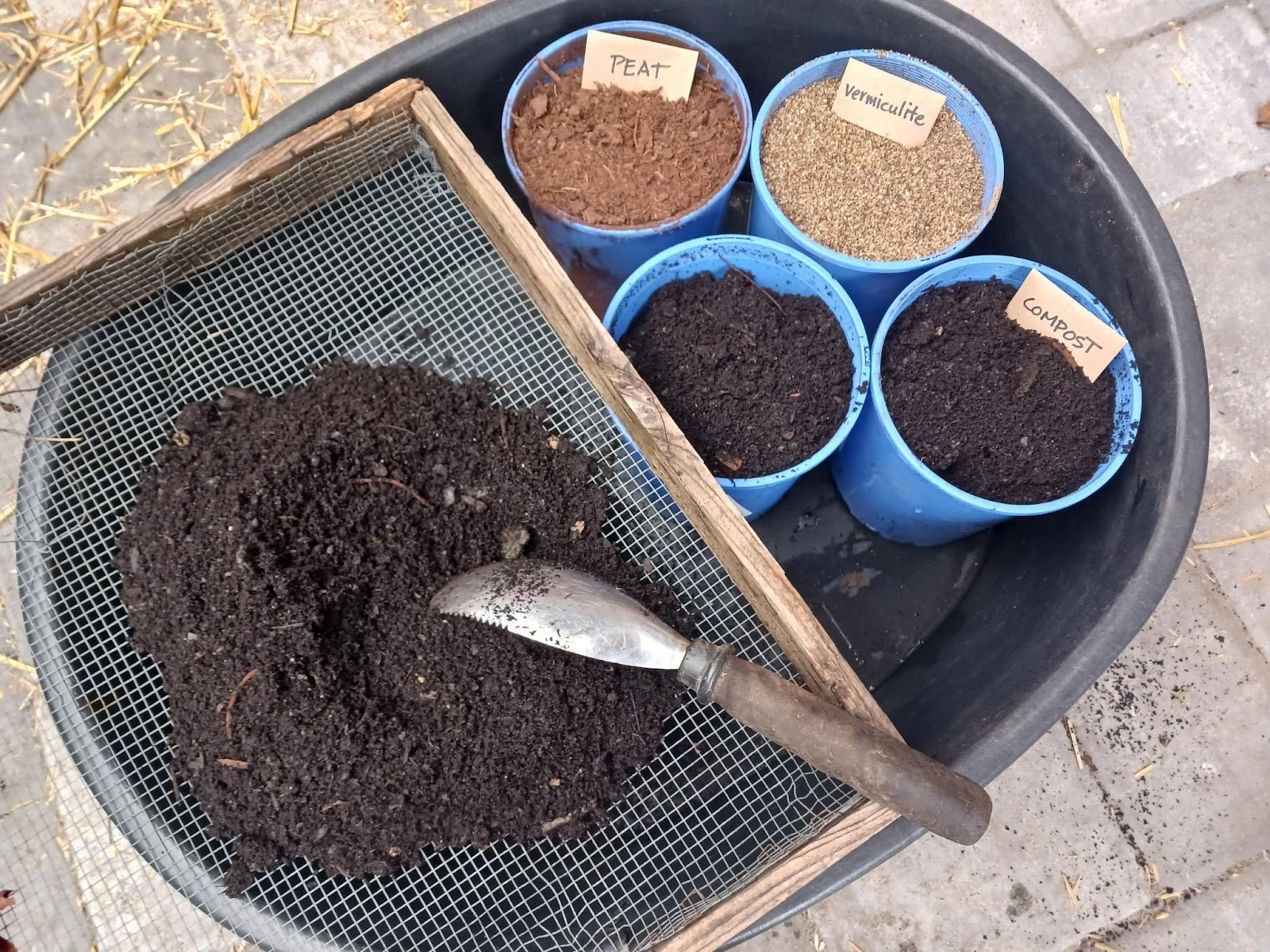
While it may be tempting to recycle used potting soil to start your seeds, that could expose vulnerable seedlings to unnecessary risk. Start with a fresh potting soil, which you can easily mix up yourself in March. Sift and mix compost, peat (or environmentally friendly coco coir), and vermiculite at a ratio of 3:1:1 for a basic potting mix. Adding a small amount of green sand, worm castings, kelp powder or bone meal will enhance the performance of seedlings when used as a starting mix.
Test your soil
If last year’s outcome was less than optimal, you might want to see what’s going on with your soil. Many vegetable plants consume large amounts of nitrogen, so this is often the first nutrient to be depleted; but a complete soil test will give you the full picture. You can send your soil out to be tested for a fee, or you can purchase an easy-to-use kit. Knowing your starting point is important for guiding soil amendments.
Prune fruiting trees and shrubs
Apples, peaches, blueberries etc. should all be pruned after the threat of a deep freeze, but while they are still dormant. Increasing daylight and warmer temperatures trigger the plants to bloom, and you want to get your pruning done before that. Using clean pruners, remove any deadwood, and shape your plants for maximum sunlight.
Clean your beds
Old leaves and organic debris from last year can harbor insects, fungi, and even small rodents. Clean out your beds to minimize the risk of pests or disease, but don’t be too thorough; beneficial insects live there too. Try to keep some areas natural to promote a healthy, balanced ecosystem.
Mulch
Once they are cleaned up, add a layer of mulch around the base of woody plants and perennials. This helps keep moisture in and weeds out so you can focus on more exciting things.
Make repairs
Dilapidated garden structures and amenities (like fences, gates, raised beds, and water features) should be taken care of before the season gets underway so they don’t hinder your progress later. Check your wheel barrow or garden cart for flat tires and tighten up any wobbly joints.
Control pests
Whether it’s insect pests, rodents, or slugs; you want to be on top of it at the first sign of a problem. Once they reproduce, it becomes that much more difficult to control. Most pests have natural predators that can be attracted or introduced to help keep a harmonious balance in your garden.
March gardening: fair-weather tasks
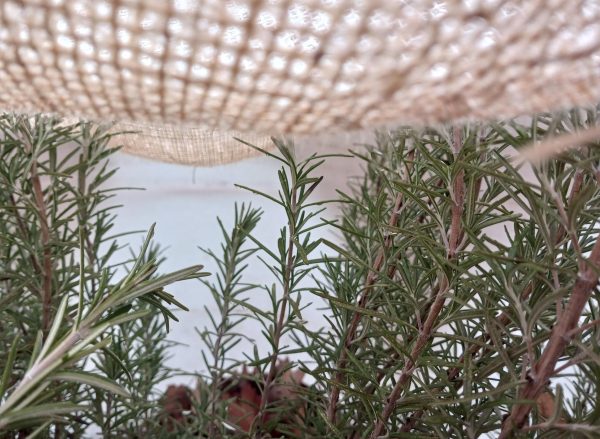
Uncover protected plants
If you provided winter protection for plants like tender perennials, figs, and semi-hardy herbs, you should consider removing the protection in March. The weather doesn’t have to be perfectly mild, but do wait until the danger of a deep freeze is over. Leaving the protection in place too long can trap heat and moisture, while blocking sunlight and prohibiting good air circulation — a bad combination all around.
Thin your berries
Brambles like blackberries and raspberries should be pruned before they begin to produce new growth. Remove dead canes and thin to ensure sufficient light and air circulation. Strawberries should also be thinned to at least 12 inch spacing while they are still dormant.
Amend your soil
A good layer of compost worked into your topsoil should cover most of your gardening needs. Compost not only provides a wide range of nutrients, it also improves soil structure and moisture retention while introducing beneficial microbes for long-term soil health and sustainability.
Chemical fertilizers offer specific nutrients for quick results, but can damage your soil in the long run. If your test results reveal that your soil is deficient in some area, try these natural ways to amend your soil instead:
- For more nitrogen: apply banana peels, coffee grounds, water from a fish tank, or crushed egg shells.
- To reduce nitrogen: apply straw or wood chips, or use legumes as a companion plant.
- To adjust pH: add lime to make the soil more alkaline, or sulfur to increase acidity.
- For more phosphorus: add bonemeal or composted manure.
- To increase potassium: add green sand or wood ash.
Feed early producers
Crops like asparagus, rhubarb and strawberries will benefit from a top coat of compost or a dose of compost tea in March. Your emerging bulbs also like spring feeding.
Sow seeds outdoors
Cool-season crops like peas, kale, radishes, carrots, spinach, cilantro and chives can be sown directly in the ground once the ground is workable and amended as needed. Remember the old adage “sow thick, thin quick” to ensure a good crop with proper spacing.
Tackle these tasks early, and you can March into spring with confidence.