The fresh, uplifting scent and flavor of rosemary has found its place in kitchens across the globe, but did you know that this attractive and aromatic herb has many medicinal benefits as well?
Since ancient times, rosemary has served as a natural antiseptic, beauty aid, and memory enhancer, yet modern research suggests it has even more powerful potential uses.
What is rosemary?
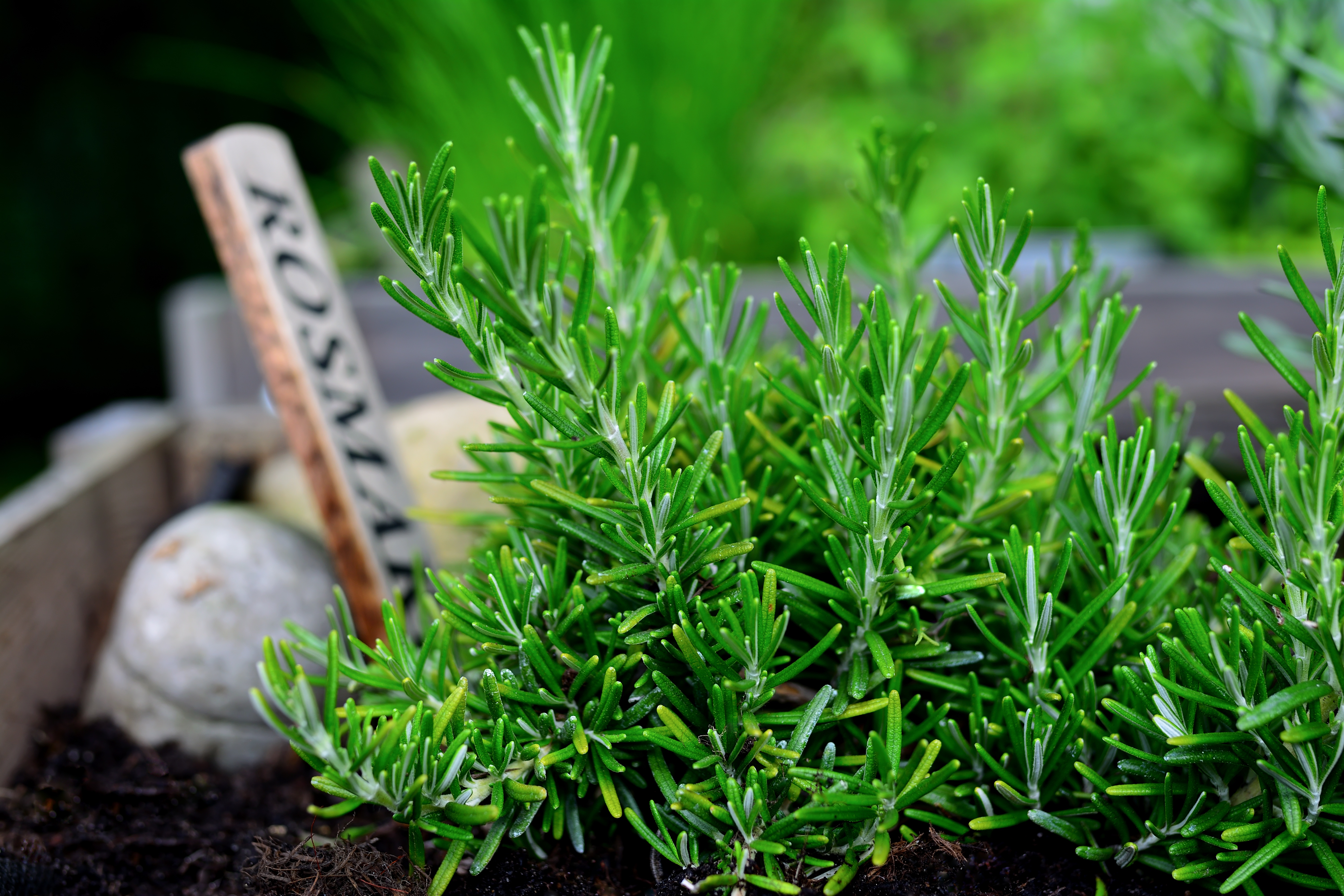
Rosemary (Rosmarinus officinalis) is an evergreen shrub belonging to the Lamiaceae, or mint family, a prolific clan of aromatic herbs that also includes basil, thyme, lavender, and of course, mint. Its rigid, flat needles resemble those of fir trees, which hints at the nature of its spicy green fragrance.
The name “Rosemary” refers to the Virgin Mary, who is said to have hung her cloak on the shrub during a pause in the Holy Family’s flight into Egypt; after which its flowers turned blue, like the cloak. Native to the Mediterranean Basin, its earliest uses hail from this area.
Traditional uses
Ancient Greek scholars commonly adorned their heads with sprigs of rosemary to enhance their memory and improve their studies. The herb was highly recommended by Hippocrates, the Greek “Father of Medicine,” to improve cognition, aid digestion, boost immunity, and to alleviate pain and inflammation.
Success
You are now signed up for our newsletter
Success
Check your email to complete sign up
Ancient Egyptians considered rosemary a sacred herb, and incorporated it into purification and protection rituals. Isis, revered as the Goddess of healing, was believed to have used rosemary in her benevolent deeds. Although there is insufficient evidence to say so absolutely, some suggest that rosemary was used in the embalming of mummies — both for preservation of the body, and to ensure a safe passage for the soul to the afterlife.
In Medieval times, no less than 25 maladies could have been treated through a variety of rosemary remedies that made use of the leaf, flowers or even the roots.

Medicinal properties
Modern research has identified several bioactive compounds in rosemary that may be responsible for its powerful healing capacity, including:
- Carnosic Acid and Carnosol: Potent antioxidants with neuroprotective and anti-inflammatory properties to support brain health and metabolic wellness. The National Institutes of Health recognizes rosemary as one of the top herbal sources of antioxidants.
- Rosmarinic Acid: A powerful anti-inflammatory which also exhibits antioxidant and antimicrobial properties. It has proven beneficial in treating autoimmune disease and respiratory illness.
- Ursolic Acid: A titerpene, first discovered in apple peels in 1920, with antioxidant, anti-inflammatory, and potential anti-cancer effects.
- Eucalyptol and Camphor: Aromatic compounds responsible for rosemary’s distinct scent — which supports relaxation, respiration and cognitive function.
The National Institutes of Health (NIH) keeps rosemary in its National Library of Medicine herb garden, with the statement: “Rosemary has been used to treat headaches, epilepsy and poor circulation. It can also be used as a disinfectant in the form of mouth wash and also to treat fever. It is also reported to stop dandruff and improve memory.”
Growing rosemary

Rosemary can be started by seed or by cuttings. Seeds are slow to germinate and will likely take two years to mature. Over several years the plant can grow to be a 4-6 foot shrub. Given ideal conditions, it can live for 10 years.
Plenty of sun and well-drained soil are a must. Rosemary’s temperature range is moderate — it does not like excessive cold or heat. Here in New Jersey, rosemary needs winter protection, but bringing it indoors rarely works because it’s too dark and too warm. Instead, keep it in a large pot outdoors during the warmer months, and move it to a well-lit, but unheated enclosure — such as a sunroom or an attic window. Alternatively, grow it in the ground, but cover it with a makeshift greenhouse during the winter.
Use pruners to harvest fresh sprigs of rosemary. The leaves and flowers can be used fresh, or dried and kept in an airtight container for later use.
Home remedies with rosemary
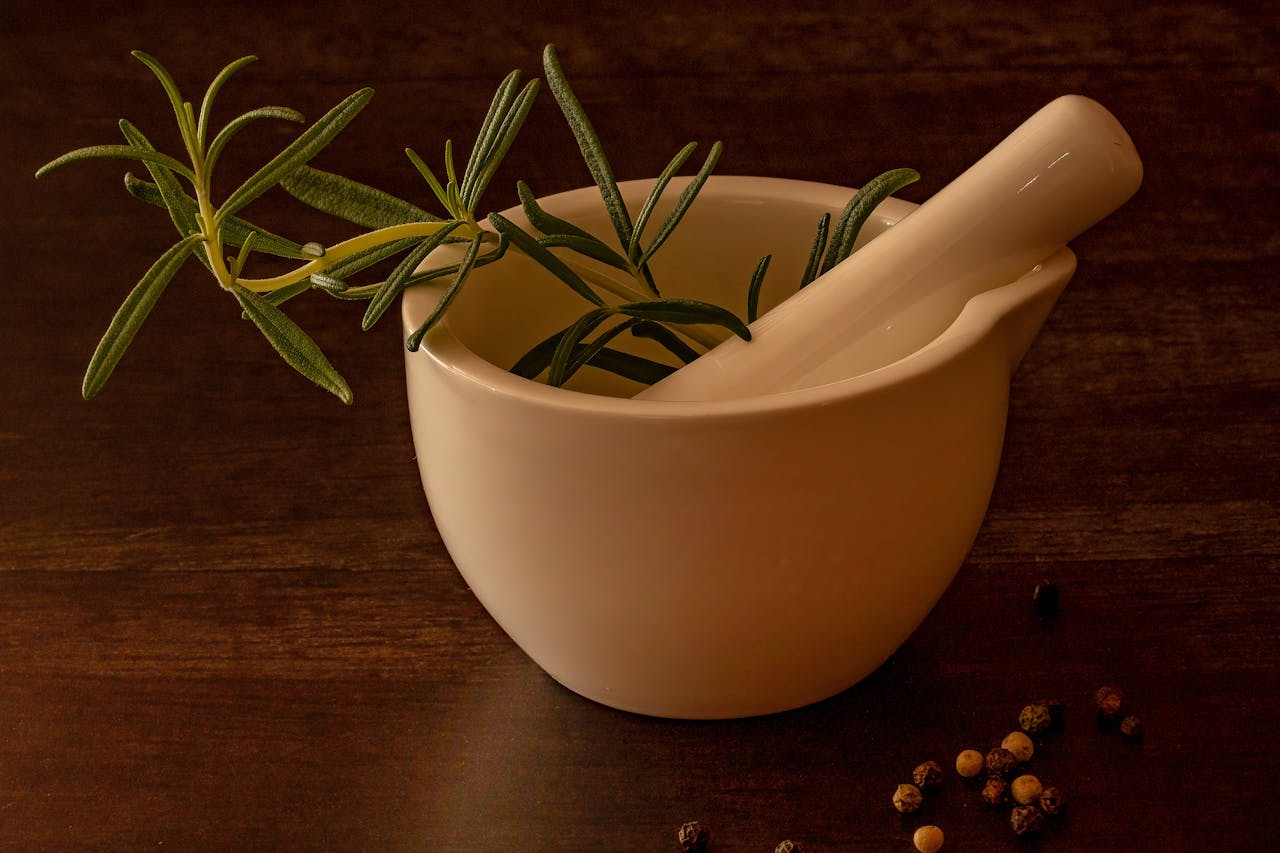
The easiest way to benefit from rosemary is to use it moderately in your cooking. Meats, roasted roots, creamy dips, and even desserts come to life with a hint of this herb as it offers subtle support for digestion, circulation, respiration, and nervous and immune functions.
To treat specific conditions, the medicinal properties can be harnessed and applied in various ways:
Rosemary tea
Add 1 to 1 ½ teaspoons of dried leaves to a cup of boiled water and let it steep, covered, for about five minutes for a rosemary infusion. Longer steeping results in more bitter tea. Drinking rosemary tea regularly can help:
- Promote circulation
- Boost immunity
- Promote liver health and prevent damage
- Regulate blood sugar levels
A stronger decoction can be used topically to help:
- Promote hair growth
- Treat dandruff and itchy scalp
- Relieve muscle soreness
Rosemary essential oil
Rosemary essential oil is often recommended in aromatherapy. Add a few drops to a diffuser or vaporizer or hot water to inhale the steam. Breathing the diluted vapors can help:
- Relieve stress and anxiety
- Clear nasal congestion
* Never ingest the essential oil.
Rosemary infused oil
Rosemary infused oil is great for topical use to reduce pain and inflammation and promote blood circulation. For a single application, add a few drops of essential oil to a tablespoon of warm carrier oil (olive, jojoba, coconut, etc.). For a ready supply, you can make a jar of infused oil with your own rosemary.
Massage the affected area with rosemary infused oil to:
- Relieve the pain from arthritis, gout, and more
- Relieve stiff muscles and joints
- Relieve headaches and migraines
- Promote hair growth (Wrap the head afterwards and leave it for at least 40 minutes before washing out. For best results, repeat twice or thrice each week.)
- Promote circulation in cold limbs
Rosemary extracts
Herbal extracts capture the plant’s medicinal compounds in a liquid — like alcohol (tincture), glycerine (glycerite) or vinegar (acetum) — to make them more available.
To make a rosemary tincture:
- Use fresh, clean, dry, chopped rosemary leaves.
- Stuff the herb into a clean jar with a tight-fitting lid.
- Cover the herb with 80-proof vodka.
- Place the covered jar in a cool, dark place.
- Shake the jar twice a week.
- After 4-6 weeks, strain the liquid into clean, amber bottles for storage.
Tinctures and other extracts can be diluted and taken internally to help:
- Boost memory and cognitive function
- Aid digestion
- Relieve headaches
- Boost immunity
- Support liver function and detox
- Inhibit the growth of certain cancer cells
Precautions
Rosemary has much medicinal potential, but it demands respect. This herb can interfere with other medicines, and high dosage can result in side effects, such as:
- Allergic reactions, like rashes or respiratory issues
- Nausea, vomiting, or stomach cramps
- Photosensitivity, leading to sunburn
- Unwanted menstruation and miscarriage
To be safe, check with your physician before taking rosemary medicinally, avoid consuming more than a normal dose, and never ingest the essential oil.