On May 5, Reuters reported that U.S. Secretary of State Marco Rubio stated at a White House press briefing that U.S. military operations against Iran have achieved their objectives and have come to a close. Washington is now shifting its focus toward ensuring the security of shipping in the Strait of Hormuz and advancing follow-up diplomatic negotiations.
In a rare appearance personally taking questions in the White House briefing room, Rubio emphasized that the operation, codenamed “Epic Fury,” has ended. The United States is not seeking new conflict and prefers to resolve issues through agreements. His remarks are widely seen as a response to legal concerns raised in Congress.
Under the 1973 War Powers Resolution, President Trump had a 60-day limit to conduct military operations without congressional authorization. Reuters noted that the White House declared the end of hostilities before this deadline, thereby avoiding additional pressure to seek further authorization.
During the press conference, an ABC News reporter raised a central question: after weeks of conflict, is the U.S. any closer to eliminating Iran’s nuclear capabilities?
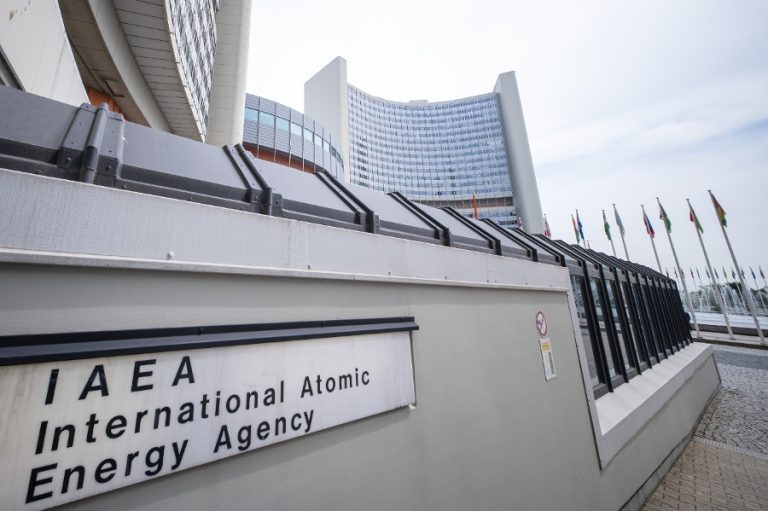
Rubio did not directly answer whether obtaining Iran’s highly enriched uranium is necessary to end the conflict. Instead, he stressed that Operation “Epic Fury” had weakened Iran’s ability to protect its nuclear program, which he said was the mission’s original intent. However, he acknowledged that Iran still possesses a significant amount of highly enriched uranium, and that issue remains unresolved.
Success
You are now signed up for our newsletter
Success
Check your email to complete sign up
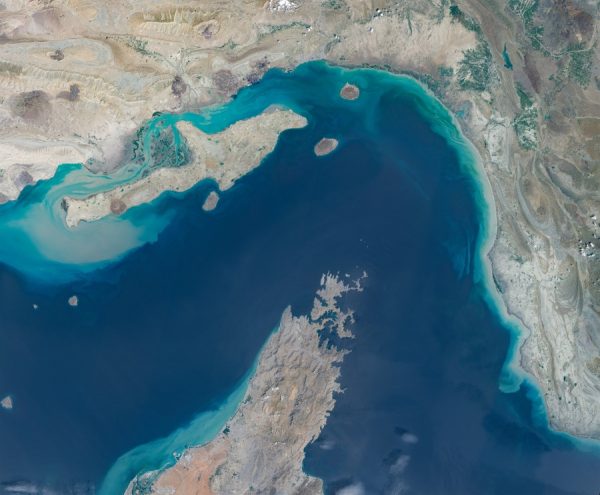
Strategic shift: focus turns to the Strait of Hormuz
With the military phase concluded, the U.S. announced the launch of “Project Freedom,” shifting focus to securing shipping in the Strait of Hormuz. Rubio described it as a “smaller, defensive mission,” stating that the U.S. would not initiate force unless attacked.
Reuters, citing U.S. Defense Secretary Pete Hegseth, reported that hundreds of ships are currently waiting to pass through the critical waterway. Before the conflict, about one-fifth of the world’s oil shipments passed through the strait, making its security crucial to global energy markets.
Rubio also noted that approximately 23,000 people from 87 countries are currently stranded aboard vessels in the Gulf region, with at least 10 civilian sailors reported dead, highlighting the humanitarian strain of the situation.
On the diplomatic front, Rubio urged Tehran to “accept reality” and return to negotiations. He revealed that U.S. envoys Steve Witkoff and Jared Kushner are continuing efforts to engage.
However, ABC News observed that compared to earlier optimistic signals from President Trump about progress in talks, Rubio’s tone was more cautious, suggesting no substantive breakthrough has been achieved. He emphasized that any agreement must address Iran’s deeply buried nuclear materials and demonstrate clear concessions early on.
The U.S. is attempting to pivot from military action toward maritime security and diplomatic resolution. However, challenges surrounding Iran’s nuclear capabilities, regional stability, and domestic legal disputes will continue to test Washington’s policy options.