Oil is again moving through the Strait of Hormuz in large volumes, weeks after the United States and Iran reached an interim agreement to wind down their war, but the two governments remain at odds over the terms that matter most. According to Reuters, Energy Secretary Chris Wright said on Wednesday, June 24 that about 20 million barrels of crude had passed through the strait in the previous 24 hours, a level he said matched the flow seen before the conflict. On the same day, President Donald Trump said American inspectors would take part in international checks of Iran’s nuclear facilities and that Tehran had agreed, a claim Iran promptly denied.
Wright wrote on the social platform X that 72 ships and 20 million barrels of oil had transited the Strait of Hormuz over 24 hours, “fully restoring pre-conflict flows,” and thanked President Trump and the U.S. military. The strait is one of the world’s most important energy routes, carrying roughly a fifth of all seaborne crude. During the war, tankers had piled up in the Gulf, and global markets feared that a blocked strait would push oil prices higher.
According to Fox News, the latest shipping data showed that three tankers stranded near the strait left on Wednesday carrying about 5 million barrels of crude between them, as the backlog in the Gulf began to clear. The maritime intelligence firm TankerTrackers reported that Iran had exported roughly 40 million barrels of crude since June 15, and that exactly half of it had shipped out in a single day, the previous Friday. Traffic still runs below pre-war levels by ship count, with most vessels using the northern and southern lanes while the mined central route is cleared.
Rubio toured Gulf capitals to reassure allies on the deal
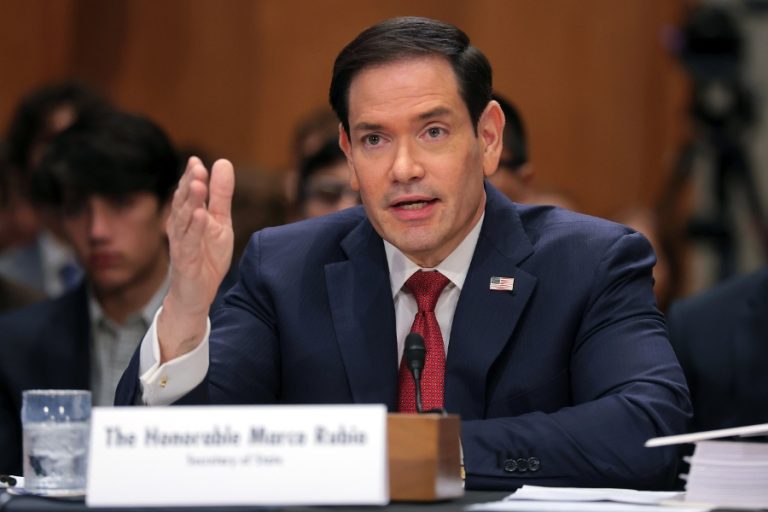
According to a press release, Secretary of State Marco Rubio continued a round of Middle East diplomacy aimed at steadying the agreement. He met the president of the United Arab Emirates, Mohammed bin Zayed Al Nahyan, in Abu Dhabi on Wednesday, where the two discussed the memorandum of understanding the Trump administration reached with Iran, the goal of securing full and safe passage through the Strait of Hormuz, and regional stability. Rubio wrote on X that he had thanked the Emirati leadership for what he called unparalleled support, praised the country’s resilience in the face of Iran’s attacks, and reaffirmed an American commitment to its security. The State Department said Rubio’s trip would also take him to Kuwait and Bahrain, where he was to meet with the Gulf Cooperation Council, the bloc of Gulf Arab states.
Trump says Iran agreed to nuclear inspections
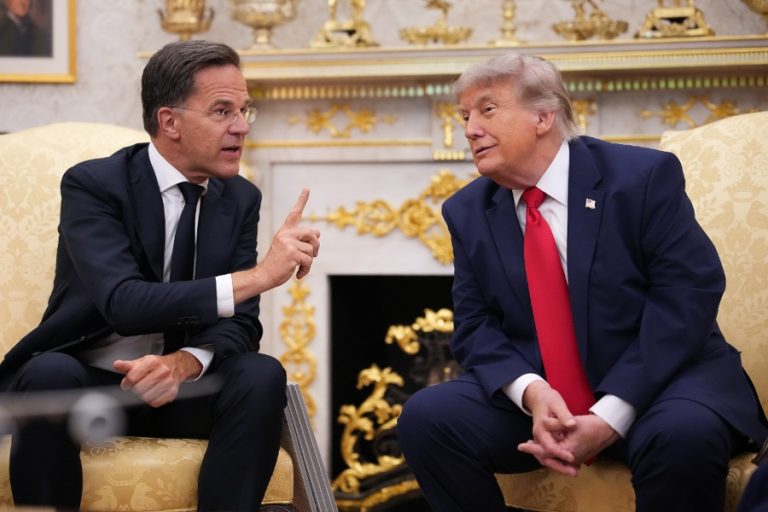
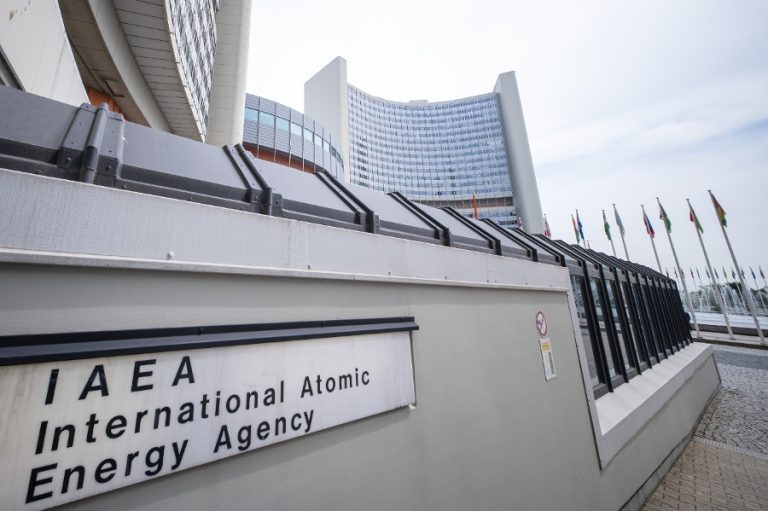
Trump told Fox News on June 24 that American inspectors would join the International Atomic Energy Agency, the United Nations’ nuclear watchdog, when it enters Iran to examine the country’s nuclear sites, and that Iran had agreed to the checks. “They’ve agreed to it, they’ve agreed to the inspectors,” he said, while predicting that Iran would later deny it. He said Iran had accepted the highest level of inspection for a long time to come, that there would be no further negotiations otherwise, and that the checks would take place “at the appropriate time,” with no schedule set. He did not say in what capacity the American inspectors would serve, or how many would take part.
Success
You are now signed up for our newsletter
Success
Check your email to complete sign up
The same day, the director general of the International Atomic Energy Agency, Rafael Grossi, said during a visit to Fukushima, Japan, that the resumption of inspections in Iran “is going to happen.” The agency was in contact with the parties over the arrangements, he said, including access, timing, and security, and wanted to resume its monitoring as soon as possible. He has said its first priority is to confirm the location of Iran’s enriched uranium. The agency has not set a date for renewed inspections.
Iran rejected Trump’s account. Its state broadcaster said the country had not approved the entry of agency inspectors to its nuclear sites, nor agreed to let American inspectors take part. A deputy foreign minister, Kazem Gharibabadi, said the question of whether and how the agency would resume inspections rested on arrangements still to be negotiated, and was not yet final. The standoff leaves the inspections suspended: since Iranian nuclear sites were struck earlier in the conflict, the agency’s inspectors have been unable to enter some of them, and it says it cannot independently confirm their condition or account for Iran’s stockpile of nuclear material.