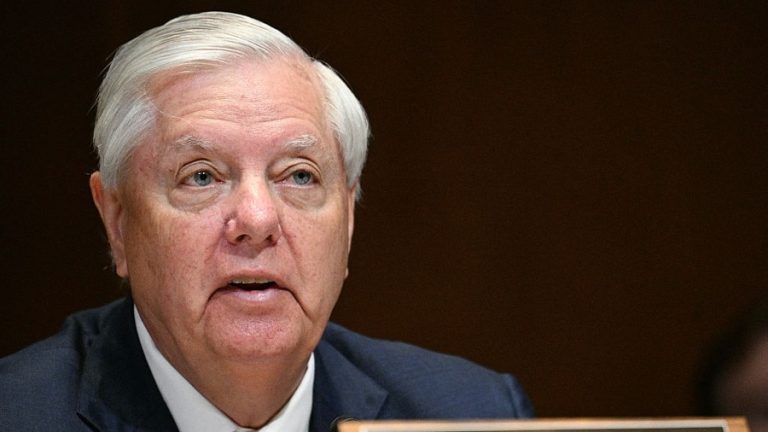
Rep. Thomas Massie conceded the Republican primary for Kentucky’s 4th Congressional District on the evening of Tuesday, May 19, ending a fourteen-year run in Congress that had made him one of the most recognizable contrarians in the House. His Trump-endorsed challenger, former Navy SEAL Ed Gallrein, won by roughly ten percentage points, 54.4 percent to 45.6 percent with most of the vote counted. The Associated Press called the race within two hours of polls closing.
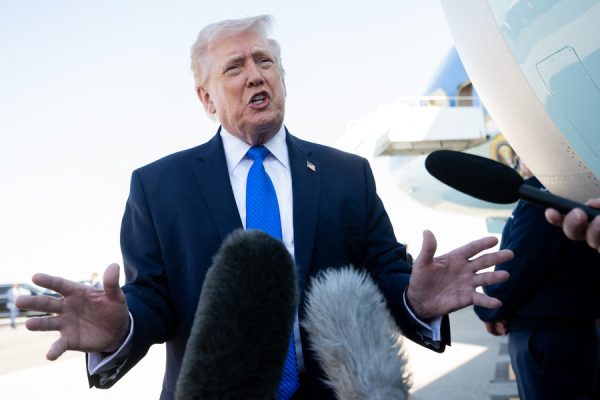
Massie has represented the northern Kentucky district since 2012. He is the libertarian-leaning Republican who wore a debt-clock pin on his lapel on the House floor, voted against his own party’s spending bills on principle, and described himself in the closing weeks of the race as the “main event” on what he called Trump’s “revenge tour.” He took the stage at his watch party in Hebron, Kentucky, wearing a smile, and told the room the campaign had “gone on longer than Vietnam.” He said the people who tried to buy his vote “couldn’t buy it.” Asked about the result, President Trump told reporters: “He was a bad guy.”
The most expensive House primary in US history
The race attracted $32.6 million in advertising spending, according to the tracking firm AdImpact, making it the most expensive House primary ever recorded. Roughly $11 million of that was spent on negative advertising against Massie, much of it funded by political action committees aligned with pro-Israel advocacy groups that opposed his votes against further U.S. military aid to Israel and against the spring military operations in Iran. Massie raised the spending repeatedly in the campaign’s final stretch, telling a CBS News interviewer on Monday that the outside money was a bigger factor in the race than the president himself, and joking in his concession speech that he would have conceded earlier but couldn’t find Gallrein in Tel Aviv.
Defense Secretary Pete Hegseth campaigned for Gallrein in Kentucky on Monday, the day before the primary. The appearance was unusual for a sitting Pentagon chief, and the timing was more unusual still. Trump later said publicly that the United States had been preparing to launch a new military assault on Iran that same night, an operation that was eventually postponed. Hegseth’s office told reporters that the secretary attended the campaign event in a personal capacity and that no taxpayer funds had been used. Federal law restricts executive-branch officials from engaging in partisan political activity in the course of their official duties.
Why Trump went after Massie
Massie voted with Trump on most matters during the president’s second term — roughly 90 percent of the time, according to vote-tracking data cited by NPR — but the ten percent of disagreements covered a series of high-profile fights. He was one of only two House Republicans to vote against the One Big Beautiful Bill, the administration’s signature legislative package, on the grounds that its projected addition of trillions of dollars to the federal debt was incompatible with the conservatism he believed he had been elected to represent. He opposed the U.S. military operations in Venezuela and Iran, breaking with Trump’s foreign policy on the two fronts the administration considered most central to its second-term agenda.
Success
You are now signed up for our newsletter
Success
Check your email to complete sign up
He also led the Republican push, alongside Democratic Rep. Ro Khanna of California, to force the Justice Department to release the files related to the late sex offender Jeffrey Epstein. Trump and the White House initially opposed the release. Massie pressed the issue through procedural motions on the House floor, drawing significant attention to a fight the administration would have preferred to keep quiet. By the time the primary campaign reached its final months, Trump’s allies were describing the Epstein push as one of the reasons the president had decided Massie had to go.
What Tuesday meant for the rest of the Republican primary calendar
Across four states’ primary contests on Tuesday, Trump claimed 37 endorsements and 37 wins, a slate he posted on Truth Social as “WINS!” The Massie race was the most closely watched, but it was not the only signal. In Ohio, former entrepreneur Vivek Ramaswamy won the Republican gubernatorial primary with more than 80 percent of the vote after receiving Trump’s endorsement. The previous weekend in Louisiana, Sen. Bill Cassidy — one of seven Senate Republicans who voted to convict Trump in his February 2021 impeachment trial — finished third in his own primary and will not advance to the runoff. Trump-endorsed Rep. Julia Letlow and state treasurer John Fleming will compete for the seat in the next round.
Steve Voss, a political scientist at the University of Kentucky, told Time magazine that “Massie’s defeat sends the clearest message yet that the Republican Party is Donald Trump’s party.” The next significant test comes on May 26, when Texas Republicans choose between incumbent Sen. John Cornyn and state Attorney General Ken Paxton in a Senate runoff. Trump declined for months to endorse, then backed Paxton several days before the vote. Cornyn had sought Trump’s endorsement publicly throughout the campaign. The president’s stated reason for declining was that Cornyn “was not supportive of me when times were tough.”
Massie will hold his seat until his term expires in January 2027. The next Republican Senate primary, between incumbent Sen. John Cornyn of Texas and state Attorney General Ken Paxton, takes place on May 26. Cornyn-Paxton will test whether the consolidation Trump has produced in House primaries extends to the upper chamber.