If your eyes feel gritty and your mouth persistently parched, with no clear explanation why, you may be among the many people living with Sjögren’s syndrome without knowing it.
The condition inflames and gradually destroys the moisture-producing glands, producing symptoms that extend well beyond dry eyes and mouth. Patients may also experience dry, irritated skin; conjunctivitis and corneal inflammation that can progress to corneal ulcers; dry nasal passages and nosebleeds; a dry respiratory tract with persistent cough; dizziness; tinnitus; and vaginal dryness. The range and variability of symptoms make diagnosis notoriously difficult.
Modern work habits have made the condition worse. Long hours in front of screens, sustained concentration, and the resulting drop in blink rate all aggravate eye dryness, turning what was once a relatively obscure diagnosis into a widespread complaint.
No single cause has been identified. Contributing factors include genetic predisposition, age-related glandular decline, viral infection, metabolic disorders, other autoimmune diseases, certain tumors, and the side effects of medications.
How conventional medicine treats Sjögren’s Syndrome
Western medicine focuses largely on managing inflammation and relieving symptoms. For inflammatory manifestations such as muscle pain, arthritis, and swelling of the salivary or lymph glands, doctors typically prescribe nonsteroidal anti-inflammatory drugs. Corticosteroids are reserved for more serious complications, including pleuritis, pericarditis, nephritis, and hemolytic anemia.
Success
You are now signed up for our newsletter
Success
Check your email to complete sign up
The antimalarial drug hydroxychloroquine (sold under the brand name Plaquenil) is commonly prescribed for patients with dry eyes, dry mouth, and joint pain. It can also improve skin symptoms and help prevent the disease from spreading beyond the glands.
Traditional Chinese medicine: dryness as a systemic imbalance
Traditional Chinese medicine classifies Sjögren’s syndrome as a “dryness” disorder. The classical medical text Huangdi Neijing, the foundational canon of Chinese medicine compiled roughly two thousand years ago, states: “When dryness prevails, desiccation follows.” In traditional Chinese medicine terms, the body has been invaded by a “dry pathogen,” depleting its stores of fluid and producing the cluster of dryness symptoms seen in the condition.
Dry pathogen injuring the lungs. The primary symptoms are dry nasal passages and mouth, sparse phlegm, cough, and a parched tongue. The standard formula is a modified preparation of Sha Shen Mai Dong Yin (Glehnia and Ophiopogon Decoction), which moistens the lungs and clears dryness.
Blood deficiency generating dryness. This pattern presents as pale complexion, dry skin, numbness in the limbs, and, in women, delayed or scanty menstruation with pale blood. Treatment uses a modified Zi Zao Yang Rong Tang (Nourish Dryness and Enrich Flourishing Decoction) to replenish blood and restore moisture to the tissues.
Yin deficiency with internal dryness. Patients with this pattern experience dry throat and mouth, gritty and uncomfortable eyes, a sensation of heat in the palms and soles, flushed cheeks, and night sweats. The typical treatment is a modified Zhi Bai Di Huang Wan (Anemarrhena, Phellodendron, and Rehmannia Pill), a classical yin-nourishing formula.
Dual deficiency of qi and yin. This pattern involves dry lips, a hoarse voice, low-grade afternoon fever, and easy fatigability. Treatment uses a modified Sheng Mai Yin (Generate the Pulse Decoction), which replenishes both vital energy and body fluids.
Qi stagnation with blood stasis. Patients present with a dry mouth and tongue, a dull or dark complexion, purplish-red skin rashes, and joint numbness with pain. The recommended formula is a modified Xue Fu Zhu Yu Tang (Drive Out Stasis from the Palace of Blood Decoction), which moves blood and clears stasis.
Practical steps for daily symptom relief
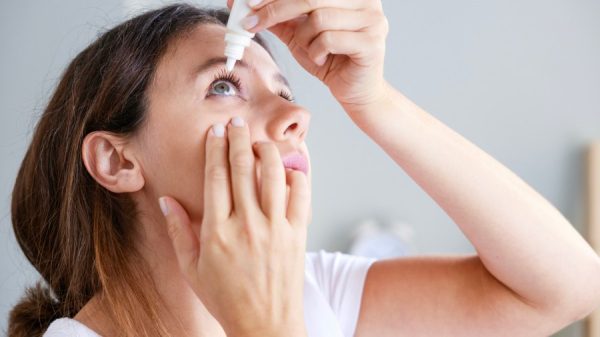
Moisturizing creams and lip balm reduce fluid loss through the skin. Artificial tears and artificial saliva preparations help relieve the sensation of dryness directly. Patients should avoid secondhand smoke, which aggravates dry eyes considerably.
To stimulate saliva production, try sugar-free lozenges, lemon drops, or chewing gum; the act of chewing and the sour stimulus both encourage the salivary glands to work. Rinsing after every meal helps maintain oral hygiene. Fluoride treatments applied to the teeth offer meaningful protection against cavities, which occur at higher rates in people with reduced saliva. When mouth sores or oral infections develop, an antibacterial mouthwash can provide relief.
The author, Dr. Yeh Hui-chang, is the director of Yeh Hui-chang TCM Clinic in Taichung, Taiwan. This article is published with the author’s permission. Reproduction requires the author’s consent.