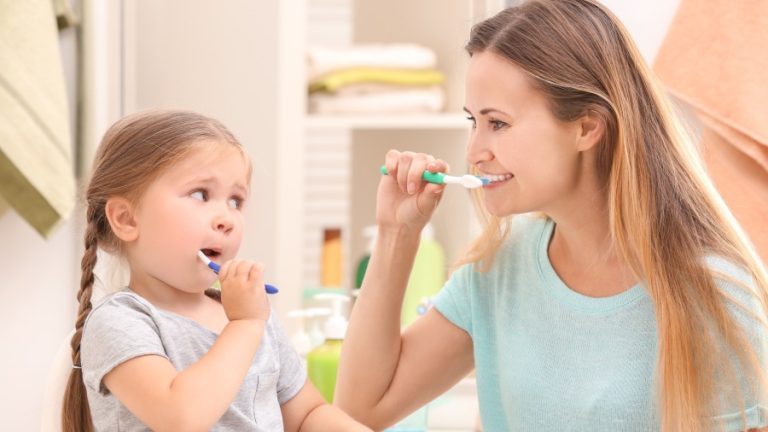
Rinsing after brushing washes away the fluoride you need
After brushing, the instinct for most people is to swish water around and spit. It feels like the natural finish to the routine. But that rinse washes away fluoride — the active ingredient in toothpaste — before it has a chance to do anything.
In 2023, the Chinese Stomatological Association issued clear guidance: after brushing, spit out the foam, then stop. Do not rinse.
Fluoride strengthens tooth enamel and helps the surface resist bacterial acid. It also aids in reversing the earliest stages of tooth decay. For any of this to work, fluoride needs time in contact with the tooth surface to form a protective layer. Rinsing immediately after brushing removes it in seconds.
Some people worry about swallowing fluoride. That concern is largely unfounded. Fluoride occurs naturally in drinking water and in the air. The amount in a standard serving of toothpaste falls well below any level that poses a health risk.
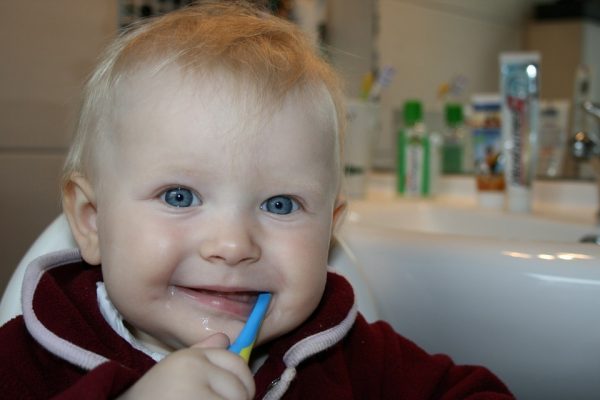
Brushing your teeth at bedtime leaves hours of bacterial damage unaddressed
Brushing just before sleep is a common approach, but the timing is less effective than most people think. Brushing 30 minutes after dinner is better for oral health than waiting until the end of the night.
Success
You are now signed up for our newsletter
Success
Check your email to complete sign up
Many people finish dinner and then spend several hours working, watching television, or relaxing before brushing. During that gap — sometimes four or five hours — food debris sits in the mouth, feeding bacteria. Those bacteria proliferate and begin affecting the teeth and gums long before bedtime arrives. Brushing closer to the end of the meal cuts that window significantly.
Skipping the gumline causes most persistent bad breath
Persistent bad breath is one of the most common dental complaints among people who brush regularly. The cause is usually not the teeth themselves but two areas most people skip: the tongue coating and the gumline groove.
The gumline groove is the shallow channel between each tooth and the surrounding gum tissue. Bacteria and food residue accumulate there and produce volatile sulfur compounds, a primary source of bad breath. Over time, plaque buildup in that groove leads to gum inflammation and, if left unaddressed, periodontal disease.
Cleaning this area requires technique. Position the bristles at a 45-degree angle to the tooth surface, aiming the tips into the junction between the tooth and gum. Apply light pressure and use short horizontal strokes, working across the outer and inner surfaces of every tooth.
The tongue deserves attention too. After brushing, make a few gentle scraping strokes from back to front across the tongue surface. It takes seconds and makes a noticeable difference in breath freshness.
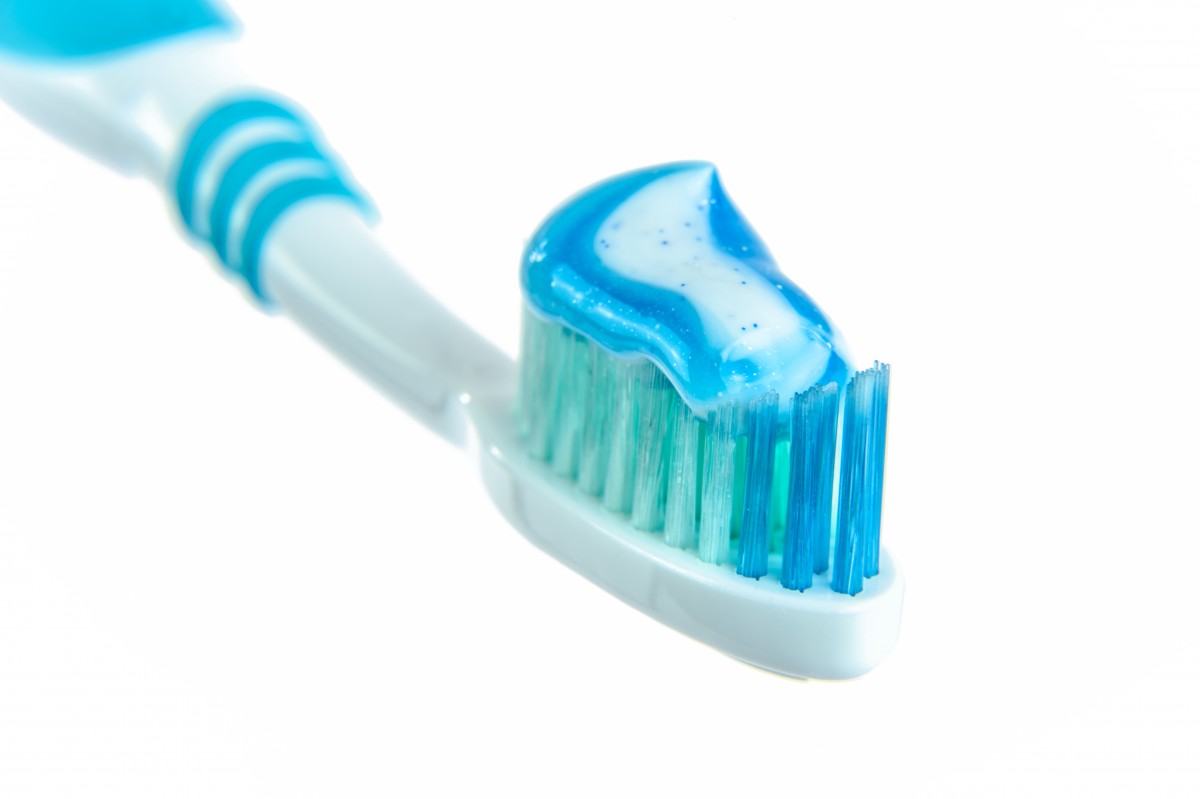
Four habits that reinforce good brushing
Small brush, soft bristles. A small brush head reaches more of the mouth. Soft, rounded bristles clean effectively without abrading the gum tissue. For those who want better results, a sonic electric toothbrush offers more cleaning action than a manual brush.
Three sessions a day, timed after meals. Brush three times a day, for three minutes each session, starting 30 minutes after meals. Three minutes sounds long, but anyone who brushes with proper technique covering every surface will find the time passes quickly — and sometimes isn’t quite enough.
Floss daily. A toothbrush cannot reach the spaces between teeth or the edges where teeth meet the gums. Floss is the most reliable tool for those areas. Use it at least once a day, making sure to clean both sides of each gap — each space has two adjacent tooth surfaces that both require attention.
Professional cleaning once or twice a year. Even thorough brushing leaves some plaque behind. Over time, that plaque hardens into calculus, a deposit that ordinary brushing cannot remove. Professional dental cleaning clears accumulated calculus and catches problems before they become serious.