Middle East tensions are showing signs of escalation once again. According to NBC on June 7, Iran launched multiple waves of missiles toward Israel on Sunday after Israeli airstrikes targeted Beirut’s southern suburbs in Lebanon. The Israeli military immediately activated its air defense systems to intercept the attacks. Observers fear that this latest military escalation could jeopardize the recently restored ceasefire arrangement and cast doubt over U.S.-mediated diplomatic efforts.
The Israel Defense Forces (IDF) said it detected missile launches originating from Iran, prompting the activation of its air defense systems to intercept the incoming threats.
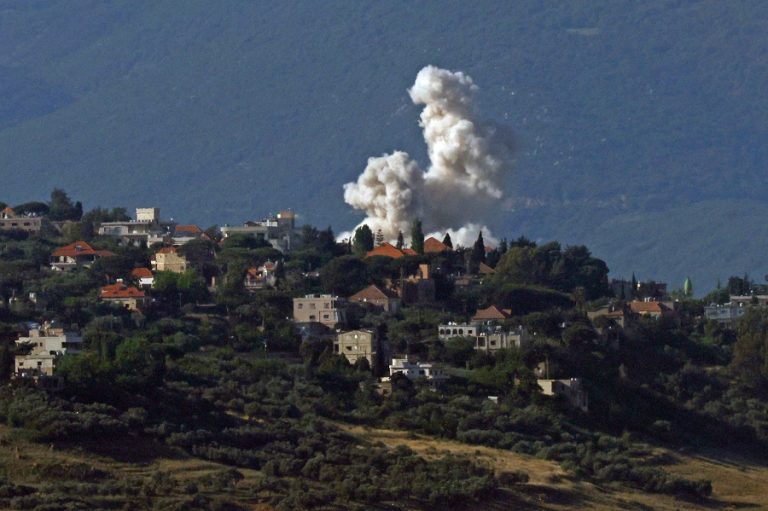
Earlier, Israeli fighter jets carried out airstrikes on Beirut’s southern suburbs. Israeli Prime Minister Benjamin Netanyahu’s office stated that the target was a Hezbollah command center and said the operation was in response to earlier rocket attacks against northern Israel. However, Lebanon’s Hezbollah has not immediately claimed responsibility for those attacks.
According to Reuters and several Middle Eastern media outlets, the strike occurred shortly after Lebanon and Israel had reaffirmed a ceasefire arrangement under U.S. mediation. The Lebanese government had hoped the agreement would create an opportunity to de-escalate months of ongoing conflict.
Since the first ceasefire agreement took effect in April, Israel has conducted several strikes on Beirut’s southern suburbs, while southern Lebanon continues to witness near-daily airstrikes and exchanges of fire. Analysts say that although both sides have managed to limit the scale of hostilities, they have failed to establish a durable long-term ceasefire mechanism.
Success
You are now signed up for our newsletter
Success
Check your email to complete sign up
Trump calls for restraint in the Middle East, seeks to preserve negotiations
U.S. President Donald Trump said in an interview with Fox News that Iran’s missile launches “certainly do not help negotiations” and urged Tehran to return to the negotiating table.
“You’ve shot your missiles, that’s enough. Get back to the table and make a deal,” Trump said.
According to Axios, Trump also said he planned to speak with Israeli Prime Minister Benjamin Netanyahu in an effort to prevent further escalation.
“Each of them had their fun. Israel had its strike, and Iran had its strike. We don’t need another one. If Bibi strikes them back, it’s just gonna keep going like the last 47 years — or the last 3,000 years,” Trump remarked, using Netanyahu’s nickname.
Trump emphasized that he does not want the current crisis to undermine the possibility of eventually reaching an agreement with Iran.
White House officials have repeatedly stated in recent weeks that diplomacy remains Washington’s preferred approach to resolving tensions with Iran, while seeking a balance between security concerns and economic pressure.
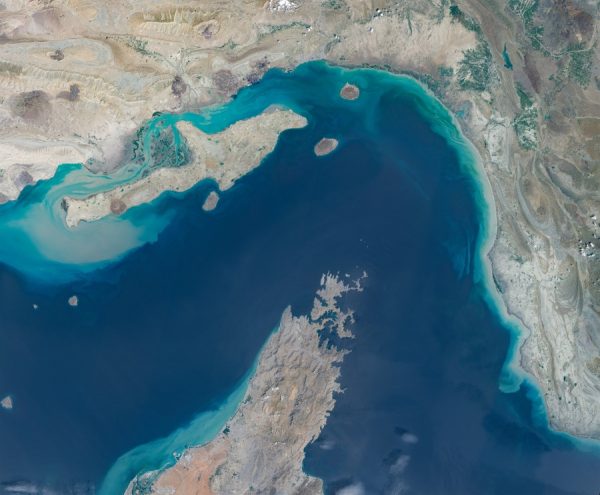
Strait of Hormuz becomes a focal point, energy markets impacted
Beyond the situation in Lebanon, security concerns surrounding the Strait of Hormuz have also drawn international attention.
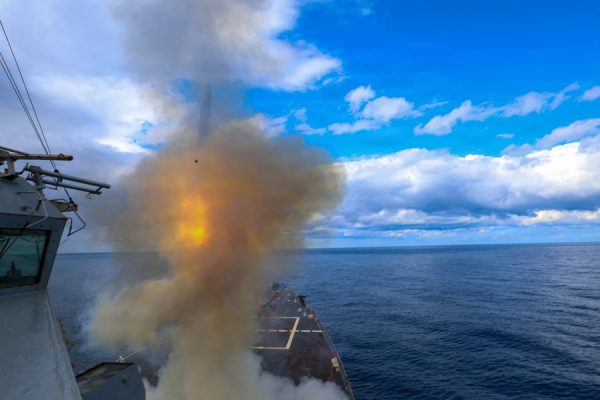
U.S. Central Command said American forces recently shot down multiple Iranian drones and intercepted several missiles, claiming the aircraft posed a direct threat to international shipping. The United States also struck certain Iranian coastal radar facilities used for surveillance.
Meanwhile, Iran’s Islamic Revolutionary Guard Corps claimed that its targets included the Ali Al Salem Air Base in Kuwait, where U.S. forces are stationed, as well as the headquarters of the U.S. Fifth Fleet in Bahrain.
The U.S. military reported no American casualties.
The Strait of Hormuz is one of the world’s most critical energy transportation routes, handling a significant portion of global oil and natural gas shipments. Rising tensions have continued to unsettle energy markets, contributing to noticeable increases in international oil prices.
Several international financial institutions have warned that prolonged disruptions to shipping through the strait could not only affect global supply chains but also increase inflationary pressures worldwide.
Pakistan attempts mediation as Iran insists Lebanon be included in talks
As military tensions persist, Pakistan is attempting to play a mediating role.
According to Reuters, Pakistani Interior Minister Mohsin Naqvi arrived in Tehran and delivered a message from Pakistan’s Field Marshal Asim Munir to Iran’s Supreme Leader Mojtaba Khamenei.
Earlier, Lebanese Army Commander Rodolphe Haikal also visited Pakistan at Islamabad’s invitation. Observers believe Pakistan is working alongside regional powers such as Qatar, Turkey, and Egypt to help revive dialogue between Washington and Tehran.
However, Hezbollah, which is backed by Iran, has publicly opposed the current U.S.-led ceasefire framework and argues that the conflict in Lebanon should be included in any U.S.-Iran negotiations. Tehran has likewise repeatedly stated that any long-term ceasefire arrangement should not exclude the Lebanese issue.
Analysts note that Lebanon has increasingly become an extension of the broader Israel-Iran confrontation. If the Lebanese conflict remains unresolved, even a partial agreement between Israel and Iran may not be sufficient to restore lasting stability to the region.
At present, neither Israel nor Iran has shown clear signs of compromise, while diplomatic efforts continue on multiple fronts. In the coming weeks, whether U.S.-Iran negotiations can be restarted and whether the situation in Lebanon can avoid further deterioration will remain key issues closely watched by the international community.