According to a June 10 report by India Today, as the Trump administration significantly expands its denaturalization efforts (revoking naturalized citizenship), an India-born American business executive has been added to the latest accountability list. The U.S. Department of Justice (DOJ) stated that a total of 17 naturalized U.S. citizens are facing the risk of losing their citizenship due to alleged fraud, concealment of facts, or false statements during their naturalization process.
Government officials have described the initiative as one of the largest denaturalization campaigns in U.S. history, drawing widespread attention from immigration law experts and human rights groups.
Indian-origin entrepreneur accused of visa fraud faces prosecution
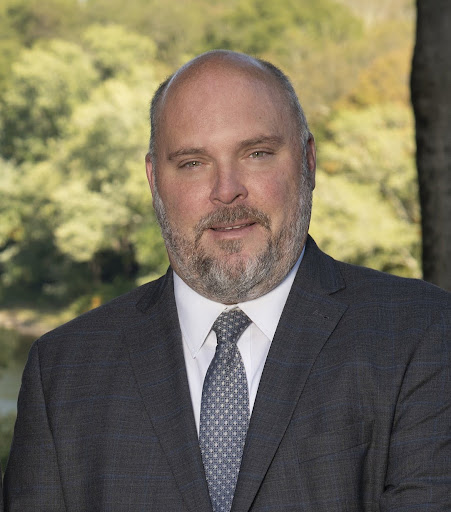
Among those named by the DOJ is 50-year-old Indian-origin businessman Neeraj Sharma.
According to prosecutors, Sharma previously owned and served as CEO of Magnavision LLC, a human resources company based in New Jersey. Investigators allege that he submitted 11 fraudulent H-1B visa applications, claiming that foreign workers would be employed by a large international financial institution. However, the applications allegedly included forged executive signatures and fabricated supporting documents.
The DOJ stated that when Sharma applied for U.S. citizenship in 2017, he swore under oath that he had never committed crimes for which he had not been arrested, had never provided false information to the U.S. government, and had never obtained immigration benefits through deception.
Success
You are now signed up for our newsletter
Success
Check your email to complete sign up
However, prosecutors later determined that he was involved in visa fraud between 2015 and 2017 and was ultimately convicted in court. The DOJ argues that he deliberately concealed these unlawful activities during his naturalization process, making him ineligible for citizenship, and is now seeking to revoke his U.S. nationality.
Multiple felons and fraud offenders included in the list
In addition to Sharma, 16 other naturalized citizens are also targets of DOJ proceedings.
According to CBS News, many of these cases involve serious violent crimes or sexual offenses against minors. One Haitian-origin man is accused of long-term sexual abuse of his own daughter; a man from the former Yugoslavia was convicted of molesting children under the age of 15; a Mexican-origin immigrant was convicted of possessing child sexual abuse material; and a former Catholic priest born in Colombia is accused of child sexual assault.
The list also includes a Filipino-origin man who admitted to child sexual offense charges.
In addition, a woman accused of assisting in money laundering for a Colombian drug cartel, a Jamaican-origin man convicted of telecom fraud, and a Cuban-origin woman accused of embezzling funds from a tribal casino are also facing possible revocation of their citizenship.
The DOJ emphasized that the common factor in these cases is that the individuals allegedly concealed key facts or provided false information during their naturalization process.
From a rare legal tool to a key enforcement priority
Under the Immigration and Nationality Act, the U.S. government has the authority to revoke citizenship if it can be proven that an individual was not legally eligible for naturalization at the time of approval.
However, this authority has historically been used very rarely.
CBS News statistics show that from 1990 to 2017, the DOJ filed just over 300 denaturalization cases in total—an average of about 11 per year.
For decades, such cases mainly targeted Nazi war criminals, human rights violators, national security threats, and applicants who deliberately concealed major criminal records.
In recent years, however, the Trump administration has gradually expanded its use of the tool, prioritizing immigration fraud, visa fraud, and financial fraud cases.
U.S. media widely view this as part of a broader federal effort to strengthen immigration enforcement and an extension of White House policies against illegal immigration and immigration fraud.
Government plans expansion; hundreds may be affected
According to earlier reports by The Washington Post and CBS News, the Department of Homeland Security has been continuously referring suspected denaturalization cases to the DOJ over the past year.
In May, the DOJ filed motions in federal court to revoke the citizenship of 12 immigrants, alleging that they committed disqualifying offenses before naturalization.
Reports also indicate that DHS officials were instructed late last year to submit more than 200 potential denaturalization cases per month to higher authorities.
DOJ spokesperson Matthew Tragesser said that the government has now identified 384 naturalized citizens targeted for possible denaturalization, and agencies are processing what he called “the largest number of historical denaturalization referrals.”
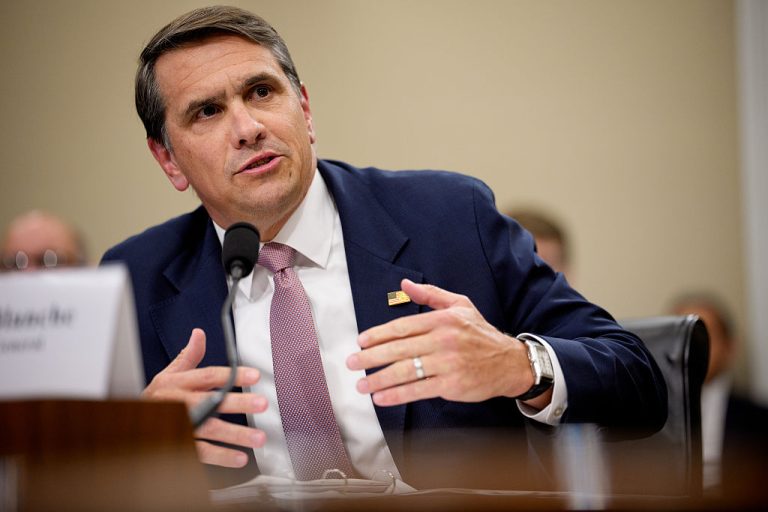
Acting Attorney General Todd Blanche told CBS News in May that the number of active denaturalization cases is higher than at any point in the past nine years.
“If you’re going to come and become a citizen in this country, but you’re going to do it by fraud, you’re going to do it in a way that’s illegal, you should be worried,” Blanche said.
He also stated that the government will continue a “zero tolerance” policy toward fraudulent acquisition of citizenship.
U.S. Homeland Security Secretary Markwayne Mullin also said that U.S. citizenship is a “privilege that must be earned honestly,” and the government will use all legal means to hold accountable those who lie or conceal facts during the immigration process.
Under U.S. legal procedure, all individuals facing denaturalization have the right to defend themselves in federal court. If a court ultimately orders citizenship revoked, the individual will lose the legal protections of U.S. citizenship and may also face deportation proceedings.