Commentary by Dong Fang
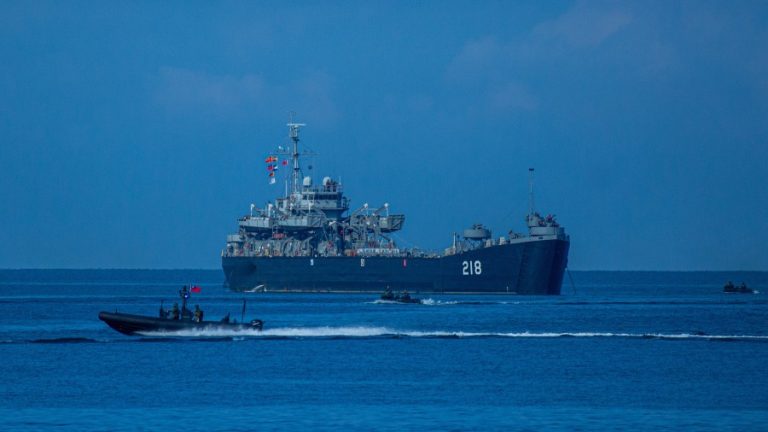
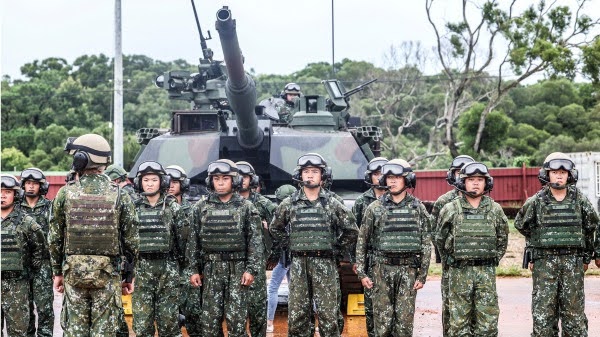
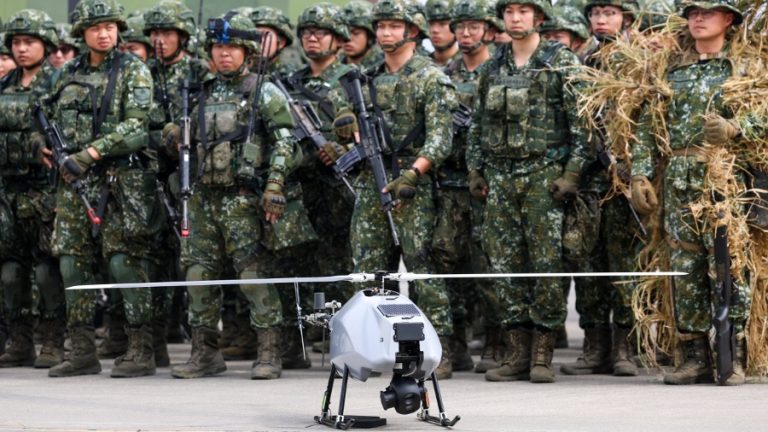
The Xi–Trump meeting has concluded, yet the proposed US$14 billion arms sale package to Taiwan remains unresolved. Is Trump trying to appease Xi Jinping? If so, that would encourage the Chinese Communist Party’s ambitions and weaken America’s deterrence in the Indo-Pacific region. In reality, beyond this US$14 billion arms package, there is also an additional US$30 billion backlog of approved but undelivered weapons. Taiwan urgently needs these air defense systems, missiles, drones, and other military equipment to defend itself against the CCP’s threats.
The Trump administration’s national security white paper explicitly states that China is the most serious threat facing the United States. Xi Jinping’s efforts to expand the CCP’s power in the Indo-Pacific and globally extend far beyond the goal of annexing Taiwan.
To achieve this, the CCP is rapidly expanding its military, building a global network of bases, and massively increasing weapons production across all major domains of warfare, including air, land, sea, space, cyber, and nuclear capabilities. The CCP also poses a serious ideological challenge, as its core principles and values stand in direct opposition to those of the United States and its democratic allies.
For decades, both major political parties in the United States have maintained that China and Taiwan should resolve Taiwan’s status through peaceful and mutually agreed-upon means. The 1979 Taiwan Relations Act, signed into law by President Carter, legally requires the United States to provide Taiwan with “defense articles and defense services in such quantity as may be necessary to enable Taiwan to maintain a sufficient self-defense capability.”
Success
You are now signed up for our newsletter
Success
Check your email to complete sign up
While the CCP has long sought to annex Taiwan, the situation today differs greatly from that of seventy years ago. Taiwan has become a democracy that supports freedom of the press and religion, and its people increasingly view themselves as culturally and politically distinct from China.

Xi’s hardline stance toward Taiwan
However, Xi Jinping has consistently taken a hardline stance toward Taiwan. The Chinese military has repeatedly conducted exercises simulating a blockade and invasion of the island, involving missiles, drones, naval vessels, bombers, and fighter aircraft. Last month, Xi reportedly warned Trump that any misstep by the United States on the Taiwan issue could lead to war.
CCP leaders have also made it clear that they oppose U.S. arms sales to Taiwan, effectively using economic leverage—offering expanded trade opportunities in exchange for American concessions on Taiwan.
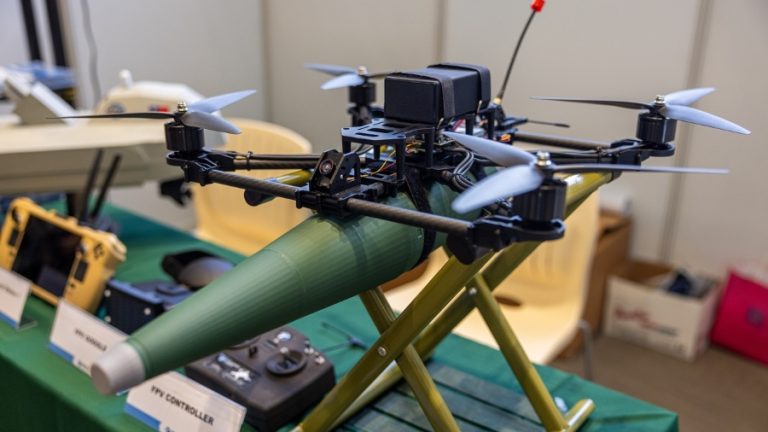
Trump appears susceptible to this approach. To date, he has not announced the latest Taiwan arms package, which reportedly includes PAC-3 air defense missiles, the National Advanced Surface-to-Air Missile System (NASAMS), counter-drone systems, and other critical defense equipment.
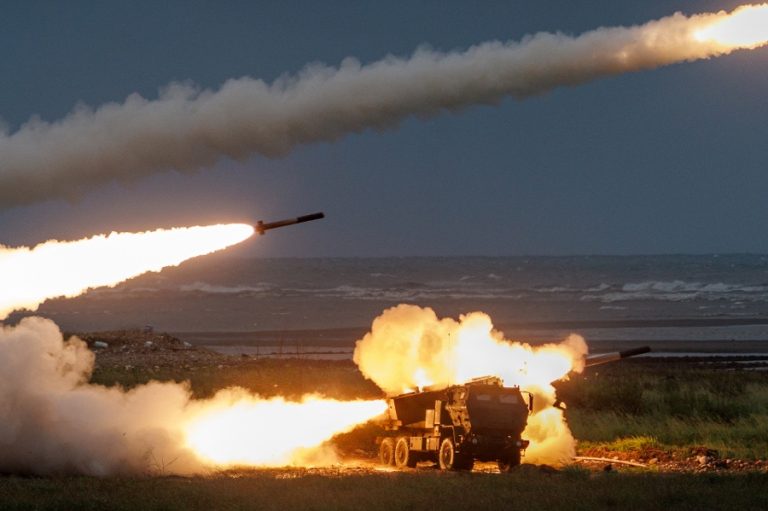
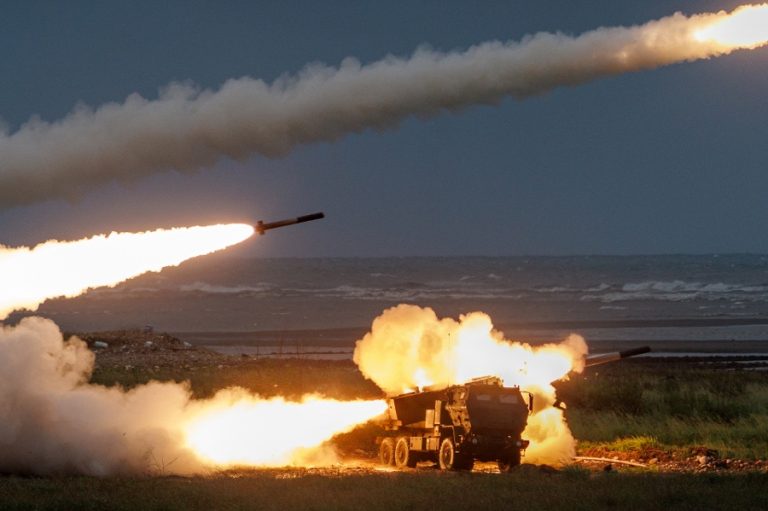
The existing US$30 billion arms backlog dates back to the Biden administration and includes Harpoon Coastal Defense Systems, M142 High Mobility Artillery Rocket Systems (HIMARS), F-16 fighter jets, drones, and other military assets.
According to a report released by Taiwan’s Ministry of National Defense this year, of the 23 major defense programs promised by the United States over the past decade, only five have been fully delivered, three have been partially delivered, and fifteen have yet to be delivered. Failure to deliver key defense systems in a timely manner undermines the central logic of preventing war in the Indo-Pacific: deterrence.
The goal of deterrence is to convince the CCP that it cannot achieve its military or political objectives through force. Arms sales and deliveries serve as tangible signals of America’s political commitment to Taiwan and as a measure of US credibility in the Asia-Pacific region.
Many countries in East Asia are increasingly concerned about China’s capabilities and intentions. America’s hesitation has already raised doubts among Taiwan, Japan, South Korea, Australia, the Philippines, and other regional partners. At the current pace of US weapons deliveries, fulfilling all existing commitments could take another decade—far too late for Taiwan.
(This article reflects only the author’s personal views and opinions and does not necessarily reflect those of Vision Times.)