On June 15, U.S. President Donald Trump announced that the United States and Iran have reached a preliminary agreement to end U.S. and Israeli military operations against Iran, raising hopes for peace after months of conflict. Following the announcement, the United Nations, the European Union, and several Middle Eastern countries welcomed the development, viewing it as a potential turning point for reducing regional tensions.
Trump wrote on Truth Social on June 15: “The Deal with the Islamic Republic of Iran is now complete. Congratulations to all!” He also called for the restoration of international shipping routes and said global energy supplies should return to normal operations.
Iranian Deputy Foreign Minister Kazem Gharibabadi revealed that during the upcoming 60-day ceasefire period, both sides will continue negotiating a broader agreement, including key issues such as lifting sanctions on Iran.
According to the Pakistani government, the agreement is expected to be formally signed in Switzerland this Friday. Observers widely regard it as one of the most significant diplomatic breakthroughs since the conflict began.
Success
You are now signed up for our newsletter
Success
Check your email to complete sign up
Countries welcome the agreement, hope for reduced tensions
Gulf nations were among the first to express support.
Qatar’s Foreign Ministry issued a statement praising both sides for choosing negotiations to resolve their differences. Qatar’s Minister of State for Foreign Affairs, Mohammad bin Abdulaziz Al-Khulaifi, said he hopes the agreement will serve as an important catalyst for regional stability and the resolution of outstanding issues.
According to Al Jazeera, Saudi Arabia’s Foreign Ministry welcomed the decision to halt military operations and begin a 60-day period of detailed negotiations.
The United Arab Emirates emphasized that disputes should be resolved through dialogue and diplomacy, urging all parties to fully implement the agreement and immediately cease hostilities. The UAE also praised Trump’s diplomatic efforts in facilitating the talks.
Kuwait likewise welcomed the memorandum of understanding reached between Washington and Tehran and specifically commended Pakistan and Qatar for their mediation efforts.
Turkish President Recep Tayyip Erdoğan described the agreement as a significant step toward regional peace and said Turkey would continue supporting peaceful initiatives consistent with diplomacy and international law.
United Nations and Europe call for full implementation
According to Al Jazeera, U.N. Secretary-General Antonio Guterres called the agreement a “critical step” toward a peaceful resolution of the conflict.
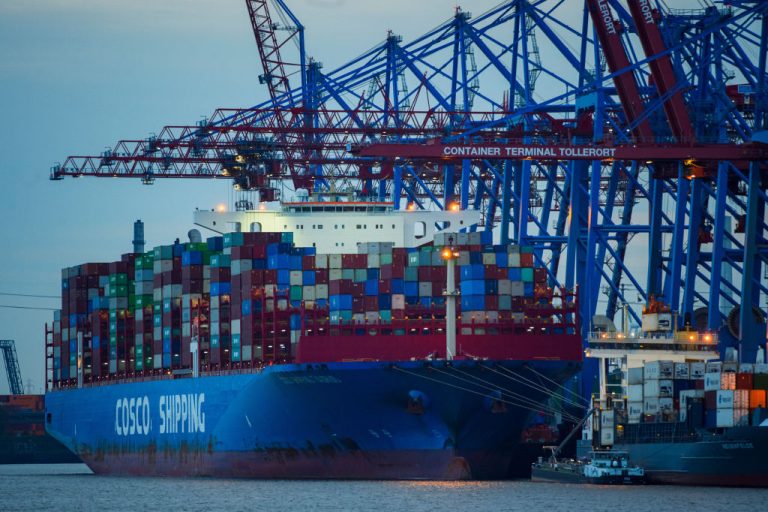
European Commission President Ursula von der Leyen said the priority now is ensuring the agreement is implemented swiftly and fully. She emphasized that freedom of navigation through the Strait of Hormuz must be restored, noting its importance for both regional stability and global economic security.
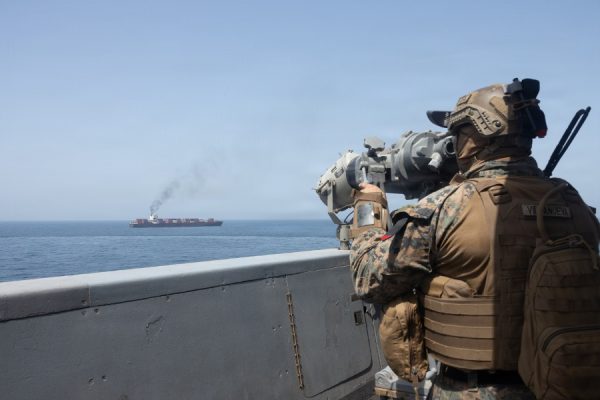
British Prime Minister Keir Starmer described the agreement as an important step toward ending the war. He said the United Kingdom would be willing to assist with maritime mine-clearing operations if necessary to restore normal shipping through the Strait of Hormuz.
However, Starmer stressed that any commitments regarding Iran’s nuclear program must be verifiable and fully implemented if lasting peace is to be achieved.
French President Emmanuel Macron also called for the immediate and unconditional reopening of the Strait of Hormuz, saying the restoration of normal shipping is essential for both regional stability and the global economy.
German Chancellor Friedrich Merz said the agreement could create new opportunities for global economic recovery and Middle East security, provided all parties remain committed to carrying out its provisions.
Canadian Prime Minister Mark Carney stated that a lasting ceasefire requires not only unrestricted access through the Strait of Hormuz but also effective management of security concerns related to Iran’s nuclear program.
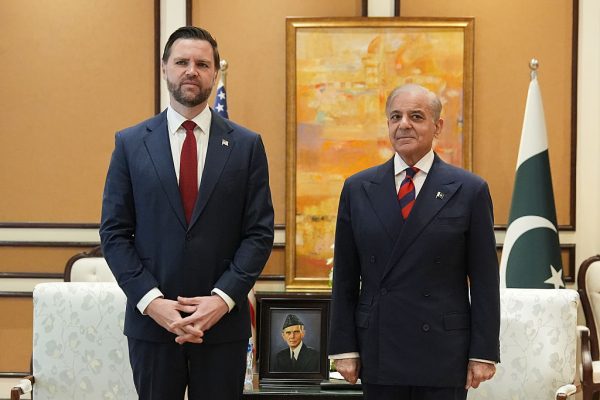
Pakistan’s mediation receives praise
Pakistan, which played a key role in diplomatic coordination efforts, received public recognition from several countries.
Prime Minister Shehbaz Sharif congratulated both Washington and Tehran, saying they had demonstrated a genuine commitment to resolving conflict through diplomacy. He also thanked Qatar, Saudi Arabia, and Turkey for their contributions to the agreement.
According to Pakistani media outlets including Dawn, Islamabad has been actively involved in behind-the-scenes communications in recent weeks, seeking to prevent further escalation in the Middle East and reduce the impact of the conflict on global energy markets.
Since the conflict began, international oil prices have experienced repeated volatility. Reuters reported that following the announcement of the agreement framework, global financial markets responded positively, with crude oil prices declining and major stock indexes rising, reflecting investor optimism about easing tensions.
Divisions emerge within Israeli government
Unlike the generally positive international response, reactions within the Israeli government have been mixed.
According to the Times of Israel, Israeli Defense Minister Israel Katz stated that Israeli forces would not withdraw from areas of Lebanon currently under Israeli control. He warned that if Iran retaliates against Israeli military operations in Lebanon, Israel would respond with “significant force.”
Katz said Prime Minister Benjamin Netanyahu has already conveyed this position directly to Trump and senior U.S. officials.
Meanwhile, Israeli Finance Minister Bezalel Smotrich publicly opposed the agreement, saying, “The agreement with Iran is bad for Israel and for the entire free world. Period.”
Smotrich argued that recent actions by Israel and its allies had weakened Tehran and that pressure should not be eased at this stage. He also stated that Israel would continue taking measures to prevent Iran from acquiring nuclear weapons.
Analysts note that domestic Israeli debates over future policy toward Iran could become an important factor affecting whether the agreement is ultimately implemented.