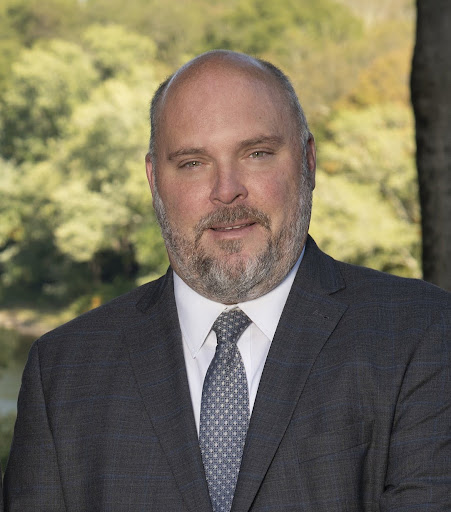
For tech entrepreneur David Sirota, ROLLIN was inspired by growing up with his father, who has Facioscapulohumeral Muscular Dystrophy (FSHD), and witnessing the daily challenges faced by families dealing with mobility limitations. He created the platform to help people confidently find accessible restaurants, businesses, and public spaces.
For many families, even simple outings can be stressful due to uncertainty about ramps, aisles, and restroom access.
“People had to make phone calls or check ahead,” Sirota said. “Over time, people start losing the will to go out.”
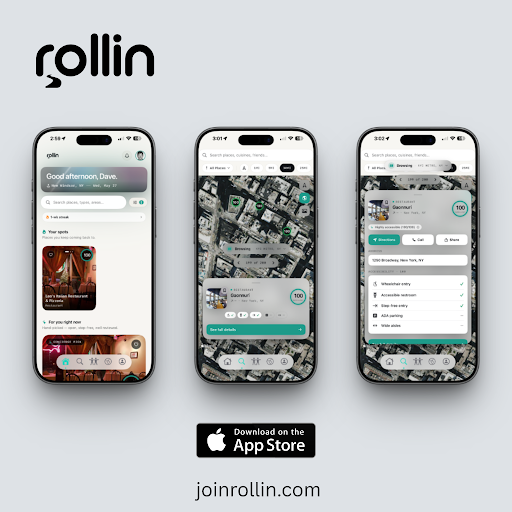
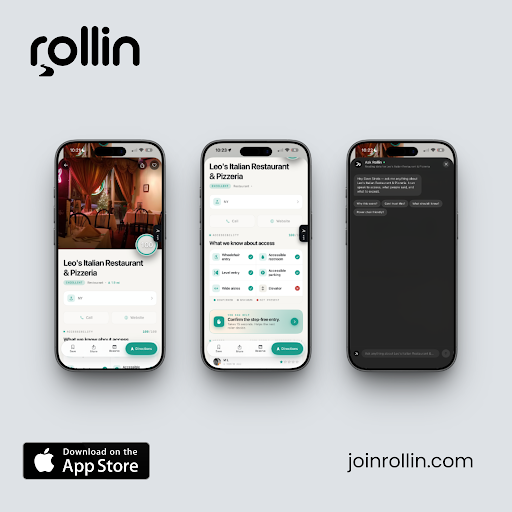
Today, ROLLIN maps over 105,000 locations, providing detailed accessibility information to help users plan with confidence before they leave home.
Beyond ‘accessible’ checkboxes
One of the key issues Sirota identified is the oversimplification of accessibility online. Many platforms rely on a basic yes-or-no checkbox, which often fails to reflect real conditions on the ground.
Success
You are now signed up for our newsletter
Success
Check your email to complete sign up
“I’ve gone to places with my father that say they are accessible,” he explained. “But what does that mean? Can he get in? Can he move through the aisles without bumping into people? Can he use the bathroom? Is the parking lot usable?”
To address this gap, ROLLIN uses a 0–100 scoring system based on multiple accessibility factors. These include wheelchair entry, restroom accessibility, aisle width, parking access, elevators, and pathway conditions. The platform also evaluates environmental elements that affect comfort and usability.
“We now score lighting too,” Sirota said. “Is it too dark or too bright? These details matter more than people realize.”
This multi-factor approach aims to replace guesswork with clarity, helping users better understand whether a location will truly meet their needs.
Reducing stress for caregivers
Sirota notes that accessibility challenges affect not only individuals with disabilities but also their families. “The family becomes a caregiver just by default,” he said.
He recalls how his father’s declining mobility impacted the whole family. “When you see your father getting depressed because he can no longer enjoy things he used to, that affects his wife, his children, and me,” he said.
For caregivers, the challenge is often the mental load of planning and uncertainty. ROLLIN aims to ease that stress by offering reliable information for confident trip planning. “I know this place is accessible—we found it on ROLLIN,” he said. “It gives families a chance to actually enjoy their time together.”
Users often report similar frustrations, from unclear restroom access to uncertainty about ramps and interior layouts.
Starting a broader conversation
Beyond building a tool, Sirota hopes ROLLIN will change how communities think about accessibility. “We want people to start asking, how can we become more inclusive?” he said. “Accessibility is still not mainstream.”
He believes accessibility is often overlooked despite progress in disability rights. “That’s what we’re trying to change,” he said. “We want to bring accessibility into everyday decision-making.”
A moment that stood out came from a user named Tom, who shared that his father used a wheelchair and they always knew every accessible spot in town. “That message was powerful,” Sirota said. “It showed us we’re not alone.”
Looking toward the future
Sirota’s vision for ROLLIN extends beyond restaurants to trails, events, and entire towns. “We want ROLLIN to be the number one source for accessibility outings,” he said.
The platform now maps more than 105,000 locations and aims to reach one million by 2027, growing into a lifestyle tool for wheelchair users, caregivers, people with strollers, and others who need accessible spaces.
“We want to be a tool that makes life easier,” he said. For caregivers, he adds, “There are people who understand what you’re going through.”
While he acknowledges no single tool can solve everything, ROLLIN aims to reduce uncertainty so families can spend less time navigating barriers and more time experiencing life together.