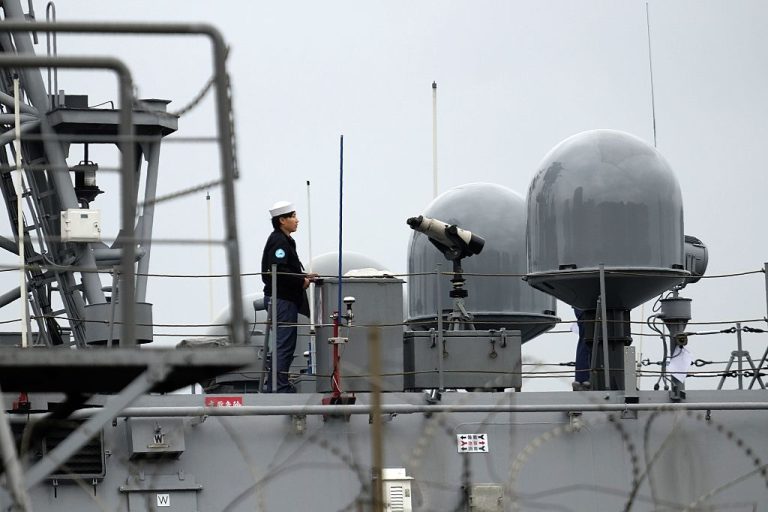
According to Taiwan’s national security officials, the Chinese Communist Party (CCP) used ongoing negotiations between Japan and the Philippines over their Exclusive Economic Zones (EEZs) as a pretext to launch a “special maritime traffic enforcement operation” in waters east of Taiwan from June 6 to 10, drawing a strong protest from Taiwan, Taiwan’s Central News Agency (CNA) reported.
The officials said the operation was not merely another attempt to erode Taiwan’s sovereignty. Rather, under the guise of “law enforcement,” Beijing is carrying out an expansionist agenda aimed at controlling the First Island Chain and transforming the waters within it into its de facto internal waters. They warned that the CCP’s strategy of “defeating opponents one by one” to undermine the integrity of the First Island Chain deserves close international attention and a coordinated response.
After Japan and the Philippines launched negotiations to delimit the boundaries of their Exclusive Economic Zones (EEZs) and continental shelves, Beijing announced the “special maritime traffic enforcement operation in the waters east of Taiwan Island” as a retaliatory measure. The operation was carried out by the maritime authorities of Fujian and Guangdong provinces together with the East China Sea Navigation Support Center, and took place from June 6 to June 10.
According to Chinese state media, the operation covered 1,030 nautical miles, inspected 198 passing vessels, and took enforcement action to correct violations by ships found to be non-compliant.
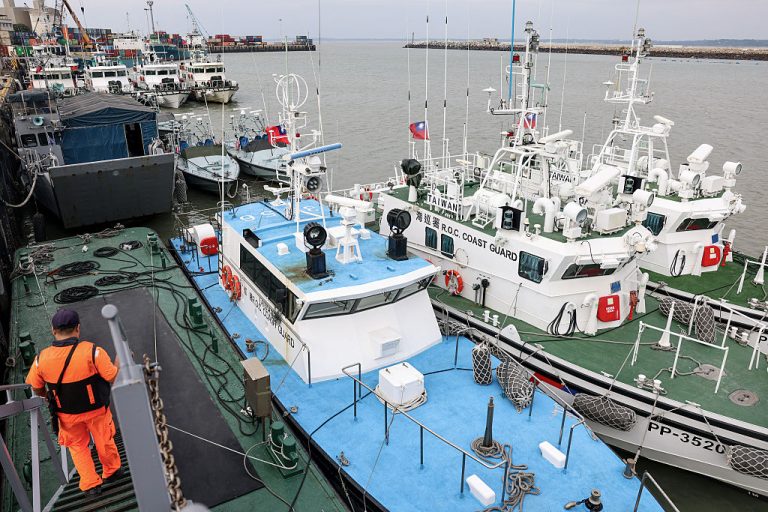
It was also reported that on June 11, two Chinese government vessels entered the prohibited waters surrounding Taiwan-controlled Taiping Island for the first time and were subsequently driven away by Taiwan’s Coast Guard.

Success
You are now signed up for our newsletter
Success
Check your email to complete sign up
Taiwan’s study for 28 years
Taiwan’s national security agencies have studied the CCP’s various illegal activities and provocations within the First Island Chain over the past 18 years, concluding that Beijing’s underlying objective is to break through the First Island Chain, isolate the countries within it one by one, and advance its expansionist agenda, according to CNA.
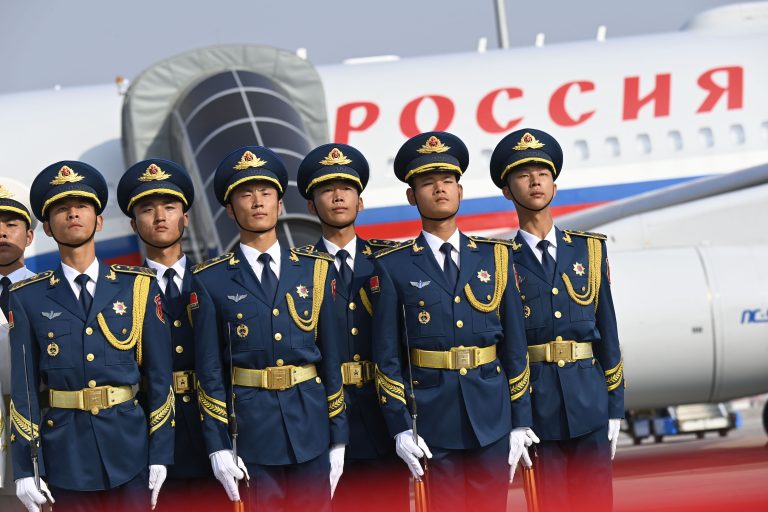
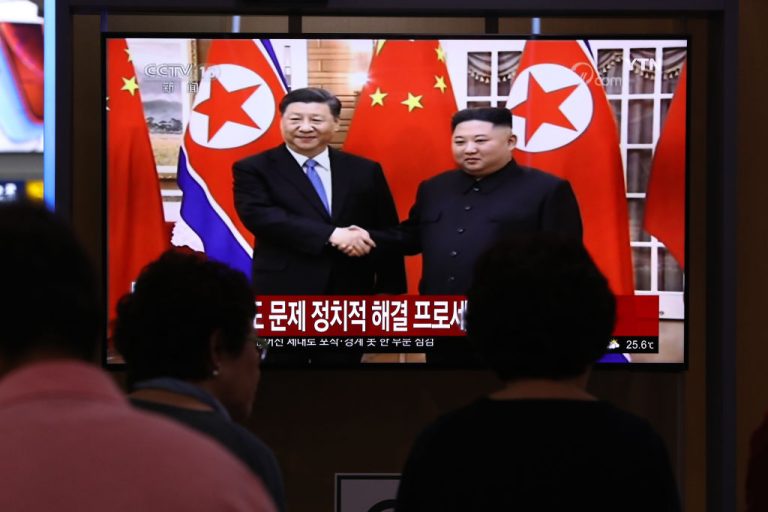
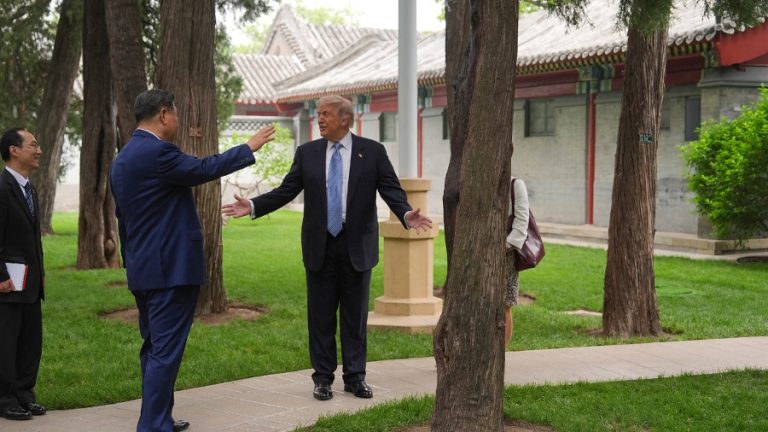
National security officials stated that, while the United States has been focused on the Middle East and Europe has been preoccupied with Ukraine, the CCP has taken advantage of the situation following the Xi–Trump meeting by strengthening its diplomatic alignment with Russia and North Korea. Beijing has continued supporting Russia and Iran as a means of tying down the European Union and the United States, while also using its backing of North Korea’s nuclear weapons program to exert strategic pressure on Japan.
During this period, the officials said, the CCP has not only intensified its maritime intrusions but has also conducted cognitive warfare and information operations through various affiliated organizations targeting Taiwan, Japan, and the Philippines. Examples include accusing Japan of reviving “new militarism” to justify heightened strategic pressure against Tokyo. The officials noted that Russia similarly justified its invasion of Ukraine by first accusing Ukraine of developing “neo-Nazism” that posed a threat to Russia.
The CCP has also accused Taiwan of being “traitors to the Chinese nation” (literally, “scum of the nation”), alleging that it has stood by while Japan and the Philippines divide up maritime economic zones.
The official said the CCP’s actions—including unilaterally asserting law enforcement authority in waters northeast of Taiwan that fall within Taiwan’s Exclusive Economic Zone (EEZ), using radio broadcasts to harass passing vessels, and carrying out similar operations in areas covered by Japan’s EEZ—demonstrate that Beijing’s activities extend beyond cross-strait relations and form part of a broader strategy aimed at the entire First Island Chain.
CCP’s gray-zone operations at sea
Reviewing the CCP’s 18 years of gray-zone operations at sea, the official said, reveals more than 60 incidents spread across the Yellow Sea, East China Sea, waters surrounding the Taiwan Strait, and the South China Sea. These activities, they argued, have all been part of a long-term strategy aimed at breaking down the First Island Chain, undermining the foundations of the international order, and transforming the waters within the island chain into China’s de facto internal waters.
As early as 2008, the CCP clashed with South Korea in the Yellow Sea over fishing rights and EEZ claims, establishing its first large offshore structure in violation of the United Nations Convention on the Law of the Sea (UNCLOS), according to the official.
In 2012, after Japan nationalized the Senkaku Islands (Diaoyu Islands), China began conducting regular patrols in the area.
In 2013, Beijing declared a large Air Defense Identification Zone (ADIZ) over the East China Sea.
In 2015, it announced the activation of the M503 flight route west of the median line of the Taiwan Strait, along with three connecting routes, while accelerating the militarization of artificial islands and reefs in the South China Sea.
In 2020, China’s Ministry of Foreign Affairs publicly denied the existence of the Taiwan Strait median line.
In 2021, Beijing implemented its Coast Guard Law, authorizing the China Coast Guard to use force within waters it claims to fall under its jurisdiction.
In 2022, citing then-U.S. House Speaker Nancy Pelosi’s visit to Taiwan, the CCP conducted military exercises crossing the Taiwan Strait median line and declared that the Taiwan Strait is not international waters.
In 2024, China’s Coast Guard Order No. 3 took effect, authorizing Chinese coast guard personnel to board, inspect, detain, and seize foreign vessels and their crews.
In December 2025, using U.S. arms sales to Taiwan as a pretext, Beijing launched large-scale military exercises during which Chinese naval and coast guard vessels advanced to within 23 nautical miles.
In June 2026, citing the Japan–Philippines maritime boundary negotiations as justification, China entered Taiwan’s Exclusive Economic Zone to carry out what it described as “law enforcement” operations.
Taiwan’s National security officials said that the CCP’s gray-zone activities over the past decade and a half have steadily advanced its effort to turn the waters within the First Island Chain into its de facto internal waters while eroding the foundations of the international order.
However, regional governments and international organizations have, for various reasons, responded with excessive optimism, allowing China’s gray-zone strategy to progress to what the officials described as a critical “point of no return” capable of undermining the existing international order.
The officials concluded that the CCP’s strategy of isolating and weakening countries one by one in order to fracture the unity of the First Island Chain and transform its waters into China’s internal waters is an issue that deserves close international attention and coordinated action.