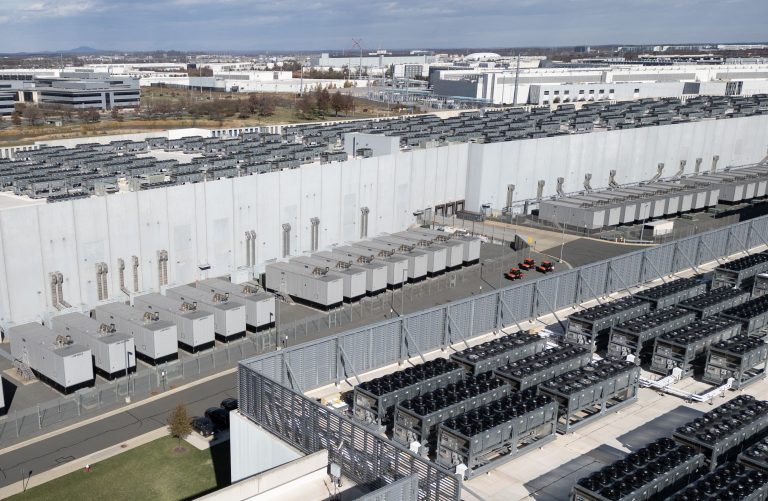
According to Reuters, Blackstone-owned QTS has terminated its planned Digital Gateway data center development in Prince William County, Virginia, and formally withdrawn its filings after years of planning, approvals, and legal scrutiny. The project had been positioned as one of the largest hyperscale data center campuses in the United States, with expected investment potentially reaching tens of billions of dollars over time.
While the development had secured local approval, it became a focal point for sustained opposition, including zoning disputes, procedural challenges, and litigation over permitting and community notification processes. Ultimately, QTS opted to exit the project despite prior regulatory progress.
Importantly, QTS reaffirmed its continued strategic commitment to Virginia, citing the region’s importance as a global data center hub and highlighting ongoing investments across other Northern Virginia and regional assets. The cancellation therefore reflects project-level attrition rather than a broader withdrawal from the market.
According to QTS, the project was expected to attract tens of billions of dollars in capital investment to the region, while also generating significant tax revenue and supporting the creation of thousands of jobs.
The cancellation of this project is indicative of a broader trend in which large-scale data center developments are increasingly being delayed, downsized, or scrapped altogether.
Success
You are now signed up for our newsletter
Success
Check your email to complete sign up
75 data center projects blocked or delayed in 2026
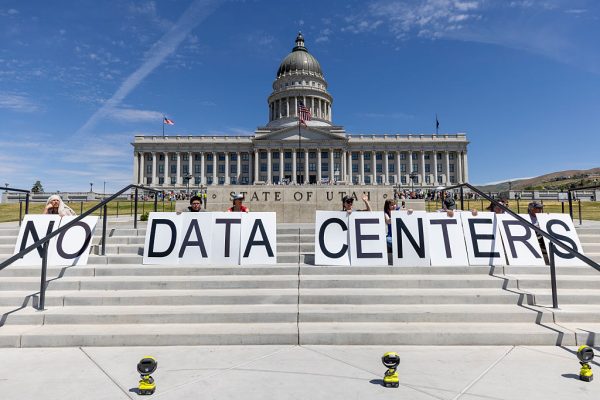
According to NBC News, citing a study conducted by Data Center Watch, as of early-to-mid July 2026, at least 75 data center projects were blocked or significantly delayed in the United States. This represents the largest single-quarter total on record and matches or exceeds the full-year total for 2025 in a much shorter period.
Reports indicate more than $130 billion in projects have been either blocked or delayed following local pushback, accounting for over $41.7 billion in planned investment and approximately 3.5 GW of power demand.
This pace suggests 2026 is on track to far exceed 2025’s roughly 25 cancellations for the full year.
According to Data Center Watch the primary drivers behind these cancellations include intense local community opposition, centered on concerns over soaring electricity and water consumption, noise pollution from cooling systems, potential impacts on property values, and loss of green space or historic resources.
Zoning disputes, procedural challenges in permitting, and litigation over inadequate public notification have frequently derailed projects even after initial approvals
“People aren’t having it,” Elena Schlossberg, executive director of the Coalition to Protect Prince William County, told Virginia Independent News. “People are stepping up to protect where they live. They’re stepping up to protect not only where they live now, but also the future of their communities. Who’s going to want to live in this dystopian hellscape with these behemoth buildings, and the constant noise, and then breathing in the diesel fumes?”
Broader infrastructure bottlenecks—such as strained power grids, shortages of critical electrical equipment like transformers, and lengthy utility interconnection queues—have compounded the issue, making many developments economically or logistically unviable, NBC News reported.
This combination of grassroots activism and systemic constraints reflects growing bipartisan resistance to unchecked hyperscale expansion, with residents and officials in both red and blue states raising alarms about long-term utility rate hikes and environmental trade-offs.
Microsoft continues aggressive expansion
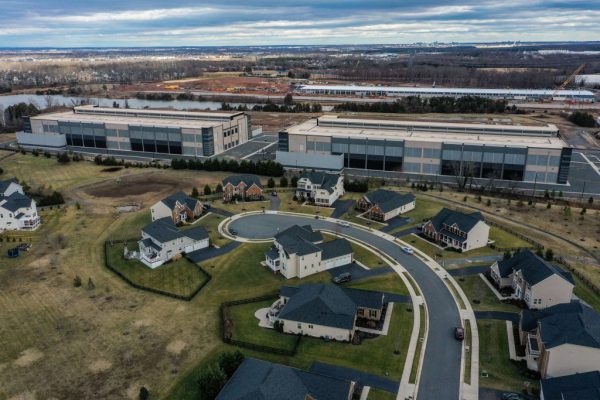
In contrast to the withdrawal of high-profile projects like QTS’s Digital Gateway, Microsoft is pressing forward with significant data center investments across Northern Virginia, reinforcing the region’s status as a critical hub for Azure cloud and AI infrastructure.
According to Data Centre Dynamics, the company operates and is actively building facilities in Loudoun County (including areas around Ashburn and Leesburg) and Prince William County (such as Manassas and Gainesville). In early 2024, Microsoft acquired approximately 124 acres in Gainesville for more than $465 million to support future development.
As of 2025, Microsoft’s Virginia operations (including Southern Virginia sites) employed around 1,180 people directly, with thousands more tied to construction. The company anticipates continued growth in full-time roles and has supported dozens of local initiatives through community investments.
Microsoft’s sustained commitment in Northern Virginia highlights the uneven nature of the current market. While some large developments face cancellation due to regulatory and community pushback, hyperscalers like Microsoft continue to secure strategic footholds in the world’s largest data center market, betting on long-term demand for AI and cloud capacity.
In a statement outlining its approach, the company said: “Aligned with Microsoft’s global commitments and our Datacenter Community Pledge, we have created the Community-First Infrastructure Initiative as a concrete step toward being a good neighbor where we build and operate.”
Microsoft pledged specific commitments, stating: “We’ll pay our way to ensure our datacenters don’t increase your electricity prices. We’ll minimize our water use and replenish more of your water than we use.”
“We’ll create jobs for your residents. We’ll add to the tax base that funds your local hospitals, schools, parks, and libraries. We’ll strengthen your community by investing in local AI training and nonprofits,” the statement reads.
Despite these mounting headwinds and high-profile cancellations, Northern Virginia’s status as the world’s largest data center market remains intact, as hyperscalers like Microsoft continue aggressive expansion to meet surging AI and cloud demand—underscoring a market where only the most resilient projects are advancing amid intensifying local and infrastructural constraints.