For Chinese people living in the United States, Costco is far more than just a store that sells oversized packages of toilet paper and rotisserie chickens.
As someone who has paid membership fees for many years, do you really understand this retail giant? Have you ever noticed that some people shop there wisely, saving money and enjoying the experience, while others come home with piles of “attractive junk” that eventually ends up in the trash?
Here is a detailed guide to the Costco “secrets” hidden in its price tags, return policy, and private-label products.
The ‘Morse code’ hidden in Costco price tags
The first challenge after entering the store is understanding the price signs. Many people think they are simply numbers, but Costco is actually using them to communicate quietly with you.
First, pay close attention to how the price ends.
Success
You are now signed up for our newsletter
Success
Check your email to complete sign up
A price ending in .99, such as $14.99, is usually the regular retail price. It means the product is selling normally and has not been marked down. Buy it if you need it, but there is no urgency if you do not.
However, when you see a price ending in .97, stop and take a closer look. This generally indicates a manager-approved clearance price. The warehouse may have too much inventory, or the item may be going out of season. This is often the best time to get maximum value for your money.
There are also two less common codes: prices ending in .88 or .00. These often indicate a display model, a returned item, or merchandise with damaged packaging that has been marked down for clearance. Provided you do not mind the packaging, these may be among the lowest prices in the entire store.
Most important of all is the small asterisk in the upper-right corner of the price sign.
Among Costco shoppers, this is sometimes called the “death star.” It means the item is being discontinued and will not be restocked. When an asterisk appears alongside a price ending in .97, you may be looking at an exceptional clearance opportunity. Once it is gone, you may never see it again.
Why explain these details so carefully to fellow Chinese shoppers? Because earning money is not easy, and every dollar represents hard work. Once you understand these pricing codes, you can shop with greater confidence and make the system work in your favor.

The misunderstood Executive Membership and the logic of the ‘free trial’
Now let us talk about the membership card.
Cashiers often enthusiastically encourage shoppers to upgrade to the $120 Executive Membership, which offers a 2 percent annual reward.
However, we should approach this rationally and do the math. The difference between the Executive Membership and the regular membership is $60. That means you need to spend at least $3,000 at Costco each year for the 2 percent reward to recover the additional $60.
For a large family that visits twice a month to buy groceries, fuel, household supplies, and products for the children, reaching $3,000 is fairly easy. For a single person or a couple, however, the regular membership may be sufficient.
Here is a useful tip: Costco has traditionally allowed members who upgrade to the Executive tier to request a refund of the additional membership cost if the annual reward does not justify the upgrade. In practical terms, this may allow you to try the Executive benefits during the first year with relatively little financial risk. It is part of Costco’s membership policies, so there is no reason to feel embarrassed about asking.
Even fewer people realize that there are situations in which you may be able to enter Costco without a membership.
In many locations, you do not need to be a Costco member to use the pharmacy. Simply tell the employee at the entrance that you are going to the pharmacy. Costco’s prescription-drug prices can also be among the most competitive available.
The major manufacturers behind Kirkland Signature
Chinese consumers often worry that low prices mean poor quality. Costco’s private-label brand, Kirkland Signature, challenges that assumption and has become something of a retail phenomenon.
Costco does not manufacture most Kirkland products itself. The underlying model is to work with established manufacturers, have products made according to Costco’s specifications, package them under the Kirkland Signature label, and sell them at a lower price.
Consider Kirkland mixed nuts. A comparable product at a premium grocery store could cost significantly more.
Kirkland vodka is another widely discussed example. Many consumers and reviewers have compared its taste and purity favorably with more expensive French brands such as Grey Goose.
Kirkland batteries have also long been rumored to be manufactured by Duracell.
Why does this matter? Because Chinese shoppers do not need to remain trapped by an obsession with famous labels. We are not paying for a prestigious name. We are paying for genuine quality and value.
READ MORE:
- Costco Rolls Out $6.99 Chicken Tender Meal Nationwide, Sparking Mixed Reviews
- How a Costco Cashier Built a $1 Million Retirement Nest Egg on an Hourly Wage
- Costco’s New Häagen-Dazs Dubai Chocolate Ice Cream Bars Ride a Viral Dessert Trend
A Costco survival guide for Chinese tastes
Costco has increasingly recognized the preferences of Chinese and Asian shoppers, reflecting the growing purchasing power of these communities.
Today, you may find soup dumplings, shrimp wonton noodles, durian ice cream, and other Asian products in the freezer section. In the fresh-food department, a large salmon fillet can be sliced and pan-fried or steamed at home, often producing a meal fresher and more satisfying than what many restaurants serve.
It’s important to mention Costco’s seasonal offerings, such as Mid-Autumn Festival mooncakes, premium bird’s nest products, canned abalone, and red envelopes for Lunar New Year. These items can sell quickly, so you need to act promptly when they appear.
Buying them is not simply shopping. For Chinese people living overseas, it is also a ritual that helps preserve cultural traditions and a sense of identity.
At the same time, there can be regret that sometimes follows a Costco shopping trip.
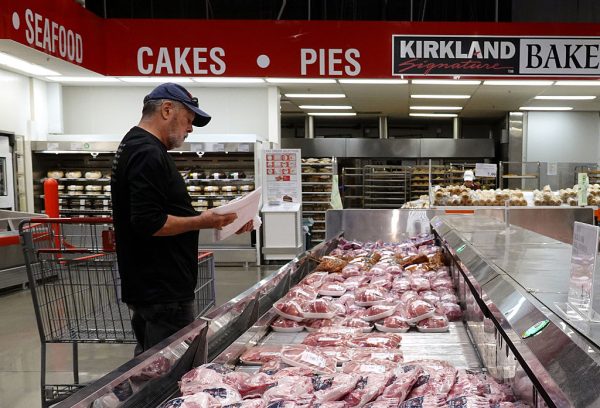
Costco’s packages are enormous.
You buy a huge bag of spinach, but half of it spoils before you can finish it. You buy two gallons of milk, only to have some expire before anyone drinks it.
Common advice is this: do not allow the appearance of a bargain to control your life. Food that gets thrown away represents money you only imagined you were saving. For highly perishable produce, it may still make more sense to shop at a smaller neighborhood market and buy fresher products in manageable quantities.
True household economy requires moderation.
Hidden benefits that many shoppers overlook
Anyone who treats Costco solely as a place to buy groceries is missing much of its value. Some of the greatest benefits are found in the services that are less visible.
Tire centre
Buying tires through Costco can be economical, and the package may include valuable ongoing services such as tire repairs, nitrogen inflation, balancing, and rotation.
Eye exams and eyeglasses
Comparable lenses may cost far less at Costco than at many independent optical stores. Staff members may also adjust eyeglass frames for customers, sometimes even when the frames were purchased elsewhere. It is a small but meaningful form of customer service.
Costco travel
Many Chinese families traveling overseas, returning to China, or taking vacations may find Costco’s rental-car, hotel, and vacation packages highly competitive. Certain packages may also include a Costco Shop Card worth hundreds of dollars, potentially offsetting one or more years of membership fees.
These services can provide an additional layer of security and value while navigating a society filled with complicated rules and pricing structures.
Integrity and Costco’s return policy
We also need to discuss a sensitive but important subject: returns.
Costco is famous for having a highly generous satisfaction guarantee, although electronics and certain other categories are subject to specific restrictions and return periods.
However, some shoppers have returned half-eaten watermelons or containers of skin cream that had been opened and used for months. Although employees may still process such returns politely, the issue extends beyond membership privileges. It also raises questions about personal integrity and the reputation shoppers build within the broader community.
Costco tracks members’ purchasing and return activity. When someone’s return rate is unusually high or their behavior appears abusive, Costco may review the account and has the authority to cancel a membership.
We should strive to be intelligent consumers, but also respected members of the community. When a product is genuinely defective or does not perform as promised, return it with confidence. But do not treat the policy as a game or an opportunity to exploit loopholes.
When people abuse generous rules, the convenience of those rules may eventually be reduced for everyone.
Finding peace and perspective among the warehouse shelves
Beyond the practical details, Costco also carries a deeper emotional meaning for many shoppers.
After a busy week, families move through rows of fully stocked shelves, filling their carts with fruit for their children, calcium supplements for aging parents, and steaks for a shared meal. In those ordinary moments, the effort of the week can feel worthwhile.
For many Chinese people living in the United States, the warehouse has become more than a place to shop. It represents stability, a predictable standard of living, and a tangible reward for years of hard work.
The larger lesson is to understand the rules without becoming controlled by material possessions. Saving money can be satisfying, but excessive stockpiling should not become a source of anxiety. A generous return policy can offer convenience, but it should never come at the expense of personal integrity.