BUSINESS






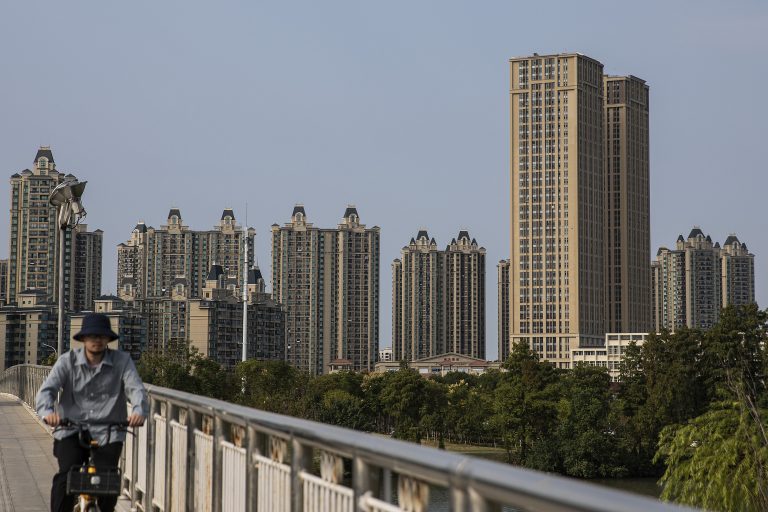
Offshore Investors in Trouble as Evergrande Favoring Domestic Obligations
With liabilities of more than $300 billion, China’s Evergrande Group is the one of most indebted property...
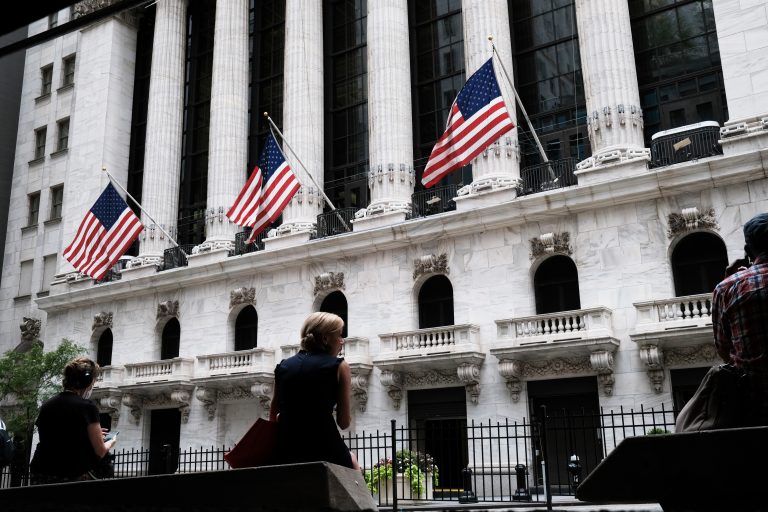
The Silent Influence of the ‘China Model’ on US Economic Policy
Most analyses of the Chinese economy belong to one of two types: those that come from the venture capital...

COVID-19 Crisis Fans Inflation of Food Prices, Rent, and Fuel
Consumer prices rose 8.6 percent last year induced by skyrocketing energy tariffs that are further hampering...

FDA Weighs Endorsing a Johnson & Johnson Booster Shot
On Oct. 13, U.S. drug regulators said a second shot of Johnson & Johnson’s single-shot COVID-19 vaccine...
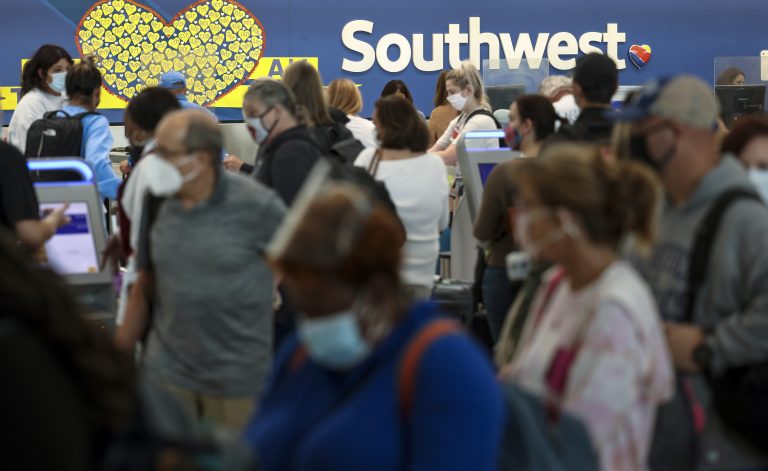
Southwest Airlines Cancels More Than 1800 Flights; Blames Air Traffic Control Issues, Weather
Since Friday, Southwest Airlines has canceled more than 1800 flights, igniting speculation about a massive...

Australian Restaurant Chain Expects to Lose $10 Million to Postpone Reopening Until ‘It’s a One-tier
A 27-location restaurant chain in Australia’s New South Wales (NSW) state will remain closed after the...

The NIAID and NIH Financed Development of Merck’s COVID Pill, Now They’re Selling to Taxpayers at 3,500%
Merck’s recently announced pill-based antiviral treatment for COVID-19 was researched and developed at...
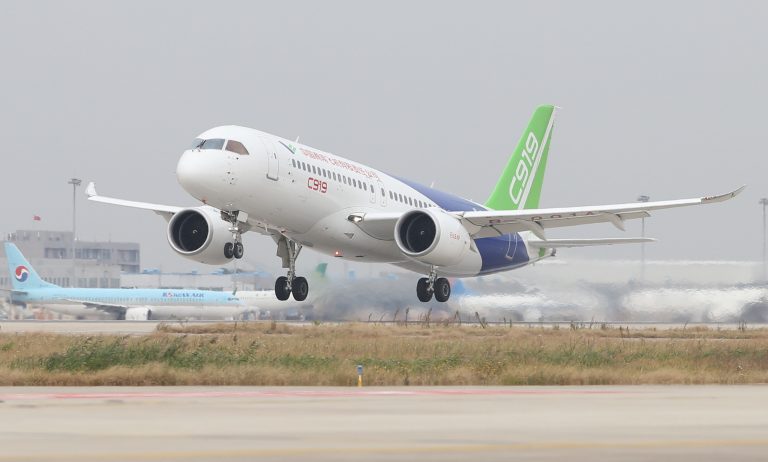
Made-in-China Passenger Jet Comes With 40 Percent Foreign Components
The Commercial Aircraft Corp of China (COMAC) is set to deliver its first large passenger jet, the C919...
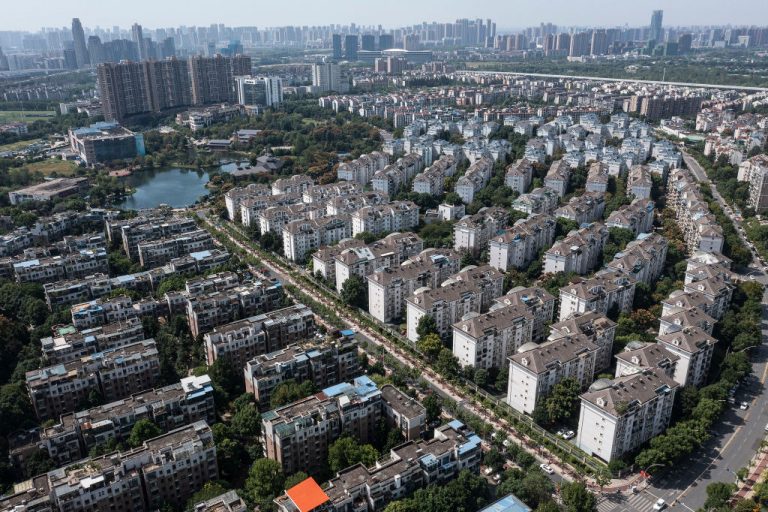
China’s Evergrande Crisis Could Lead to a Massive Domino Effect in Real Estate
Commentary by Cheng Xiaonong An overarching illusion about China's prosperity concerns the "construction...