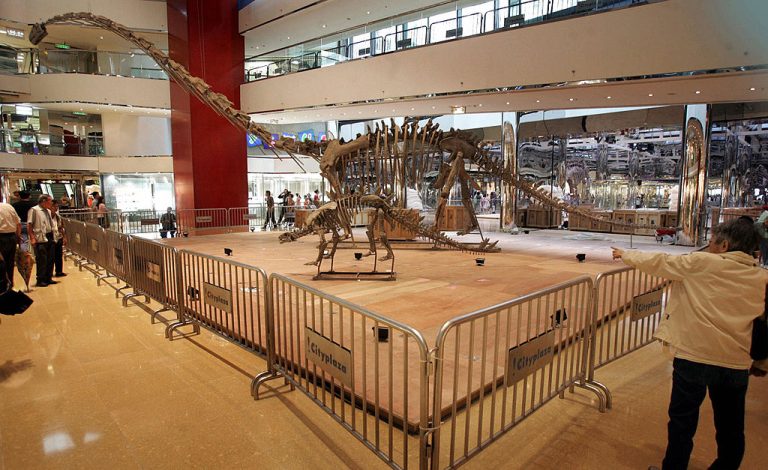
In an extraordinary new find that has captivated scientists and locals alike, Hong Kong has uncovered its first known dinosaur fossils on Port Island, situated along its northeastern coastline.
The discovery is set to ignite a new wave of scientific interest and tourism, with local authorities planning to open up the area to more visitors while preserving its natural and geological heritage. By creating structured pathways and immersive experiences, Chinese officials hope to showcase the island’s prehistoric significance while maintaining a balance between access and conservation to enhance Hong Kong’s scientific and cultural appeal.
RELATED: Rare Birth of Endangered Lemur Celebrated in Cotswold Wildlife Park
A glimpse into Hong Kong’s prehistoric past
Hong Kong’s landscape — known for its vibrant harbor and mountainous terrain — has never been associated with dinosaurs until this year. The fossils found on Port Island, which are part of the remote waters of Sai Kung, are believed to date back to the Cretaceous period, between 66 and 145 million years ago.
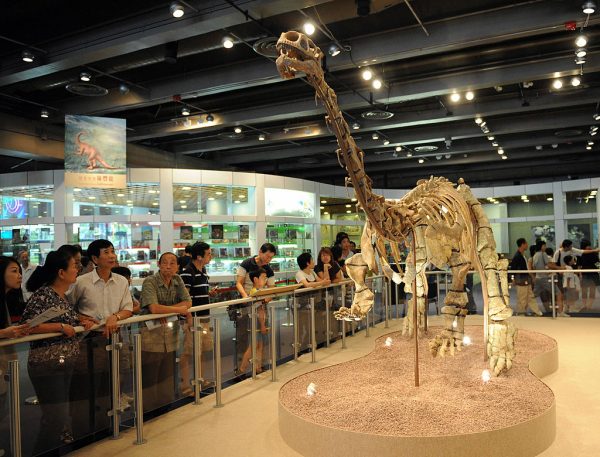
According to paleontologists, these findings suggest that Port Island was once part of a much larger ecosystem populated by prehistoric life, potentially including dinosaurs and other ancient flora and fauna. The fossils, though still under analysis, could offer valuable data on the types of species that once roamed the area.
Success
You are now signed up for our newsletter
Success
Check your email to complete sign up
In response to the discovery, Hong Kong’s Chief Executive, John Lee, announced plans to expand tourist access to Port Island. While Hong Kong is already a popular global tourist destination, this discovery could position the city as an educational destination for both international travelers and local residents. “We are all very excited,” he told reporters on Oct. 28. “So rightfully, we will be considering how to develop this into a good attraction.”
RELATED: Hong Kong Court Formally Bans Protest Anthem ‘Glory to Hong Kong’
By creating new tourist routes and setting up interpretative exhibits on the island, Lee hopes to showcase Hong Kong’s first fossil site as a gateway to its natural beauty and prehistoric past.
Boosting tourism
Additionally, Port Island’s location, which is surrounded by hexagonal volcanic rock formations, already presents an impressive natural setting. These rock formations — part of Hong Kong’s UNESCO Global Geopark — have long drawn geologists and nature enthusiasts to the region.
With the recent fossil discovery, there’s now potential to blend the island’s rich geological features with paleontological displays to create a comprehensive attraction for visitors from all corners of the globe.

But balancing increased tourism with environmental conservation will be essential to preserving Port Island’s unique ecosystem and the newly discovered fossils, experts note. As part of their plans, Hong Kong’s tourism and conservation authorities intend to work closely with geologists, paleontologists, and environmental experts to ensure the fossils are studied without compromising the island’s ecological balance.
RELATED: Human Rights Lawyer Lu Siwei Detained Amid Escalating Crackdown on Dissidents
Environmental conservation
This includes setting up clear, sustainable paths and designated viewing areas, potentially complemented by virtual displays and augmented reality experiences that allow tourists to “see” the dinosaurs that might have once inhabited the region.
Educators and conservationists have also voiced strong support for preserving Port Island’s natural features while showcasing the fossils in a way that raises awareness about the importance of ecological stewardship and oversight. The controlled visitor access and education-focused approach could set a precedent for how urbanized areas can highlight their natural history without environmental degradation.

“Port Island is very small and the government should assess its carrying capacity carefully and design a quota system for entering the island,” said Young Ng Chun-yeong, chairman of the National Geotourism Strategy Reference Group at the Australian Geoscience Council.
The Port Island fossils also represent an opportunity for Hong Kong to diversify its cultural offerings, often centered around urban heritage, food, and art. By embracing and promoting its natural history, the city may inspire a new generation of Hong Kong residents and visitors to appreciate the intrinsic connection between urban and natural worlds.
“We will be making use of this opportunity to develop some special tourist lines so that they can look at, first of all, the hexagonal volcanic rock columns, as well as all the other attractions of our geopark, including some exhibitions of the dinosaur fossils,” said Lee.
Potential for future discoveries
In addition, the discovery on Port Island could be just the beginning. Paleontologists and geologists are optimistic that more fossil evidence could be found across other parts of Hong Kong, particularly in the less developed regions of the Sai Kung area.
University researchers and archaeologists from around the world have expressed interest in studying the fossils, which could bring significant academic attention to the area. International collaboration may also lead to the development of research facilities and educational programs aimed at training students and enthusiasts in paleontology and geology — disciplines rarely associated with Hong Kong until now.
For Hong Kong residents, the fossil discovery introduces an exciting narrative into their local history by allowing the community to reimagine their home as part of Earth’s ancient past. Local schools have already begun planning field trips and educational programs in hopes of sparking further interest in natural sciences and paleontology among young students.
As the city prepares for an influx of tourists eager to glimpse its newfound ancient past, the Port Island fossils could well become a cornerstone of Hong Kong’s future cultural and educational landscape.