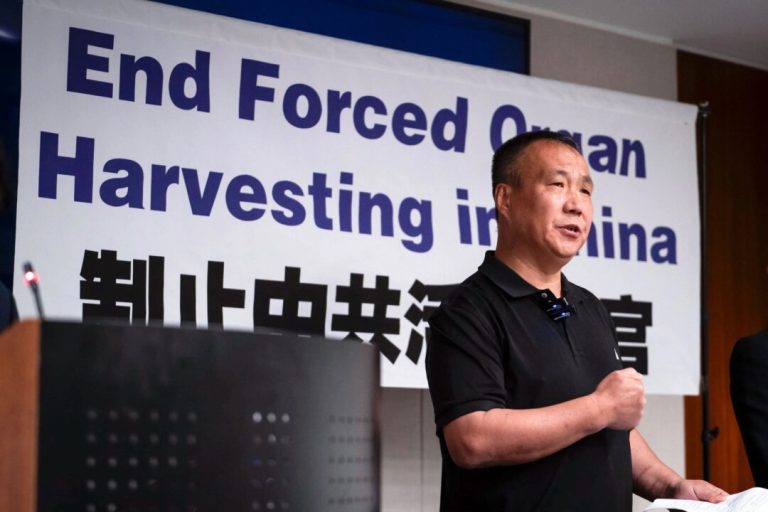
According to the 2026 World Press Freedom Index, Hong Kong’s score slipped from 39.86 last year to 39.49 this year, with the political, economic, and social subscores all moving down. The territory’s overall position held at 140, the same as 2025, leaving it sandwiched between Rwanda and Syria on RSF’s color-coded map of press conditions worldwide.
According to Voice of America, RSF identified the Asia-Pacific region as one of the most repressive in the world: of the 32 countries and territories ranked there, 21 are now classified as “difficult” or “very serious,” with conditions still deteriorating. RSF specifically warned that authoritarian governments in the region, led by the Chinese Communist Party (CCP), have built out a sophisticated apparatus of censorship and propaganda that is now reaching across borders into other countries.
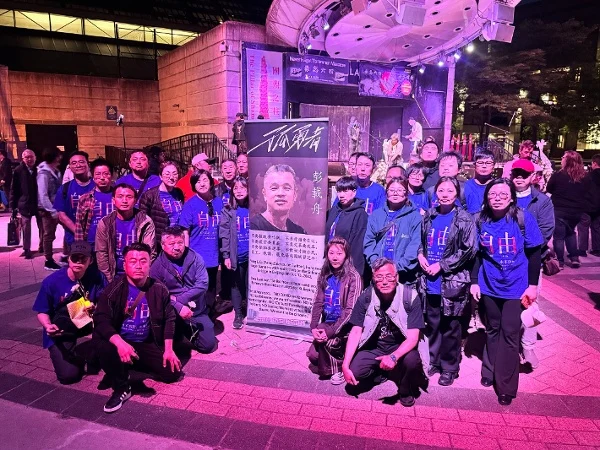
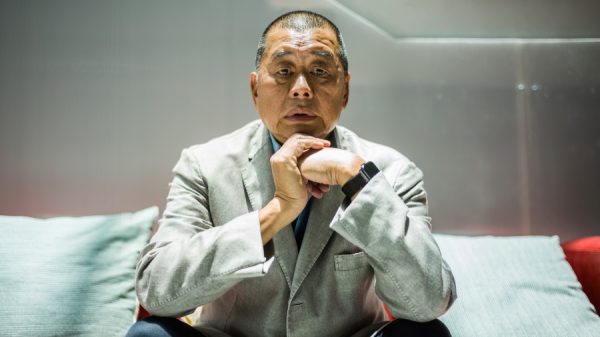
Hong Kong was once a bastion of press freedom in Asia. Since Beijing imposed the National Security Law on the city in 2020, it has suffered an unprecedented series of setbacks. RSF named the 20-year prison sentence handed to Apple Daily founder Jimmy Lai as the central illustration of the city’s collapse. Lai, 78, was convicted in February 2026 under the National Security Law on charges including “conspiracy to collude with foreign forces.”
The Hong Kong government condemned the report, calling the rankings illegitimate and accusing RSF of trying to whitewash Lai’s record.
How Hong Kong’s media environment has shrunk under the National Security Law
Gary Yuen Po-kwong, chairman of the Hong Kong Overseas Media Association, told the outlet Pulse HK News that a rank of 140 places Hong Kong close to the level of authoritarian states, a stark departure from the city’s former position near the top of the index. Yuen said the heavy sentencing of Jimmy Lai and senior Apple Daily executives has produced a powerful chilling effect across the industry. He pointed to a wider pattern: independent outlets such as InMediaHK have seen their journalists harassed by unidentified individuals while law enforcement looked away, and the credible Hong Kong team at Yahoo News was eventually forced to cease operations after losing financial support. Taken together, Yuen said, the space for journalism to perform its watchdog role over government has been sharply reduced.
Success
You are now signed up for our newsletter
Success
Check your email to complete sign up
China sits at 178, third from the bottom of the global index, with no improvement on the press freedom situation under the rule of the CCP. The country’s main media outlets remain state-owned and directly controlled by the regime, which treats them as the Party’s “throat and tongue” and uses them as instruments of government propaganda. Independent reporters and bloggers who cover sensitive topics are routinely surveilled, harassed, detained, and in some cases tortured. China holds 121 journalists in prison, the largest journalist detention figure of any country in the world.
Russia, which continues to wage war on Ukraine, ranked 172, also among the worst in the world for press freedom. Iran ranked 177. Iraq, Sudan, and Yemen all saw their press freedom scores drop further this year as a result of armed conflict.

Taiwan ranks first in Asia at 28, even as it slips four places
Taiwan ranked 28 globally, dropping four places from its 2025 position but still leading every other Asian country in the index. RSF noted that Taiwan is facing growing pressure on the credibility of its information environment.
The top three positions in the global ranking went to Norway, which has held first place for ten consecutive years, the Netherlands at second, and Estonia at third. Eritrea finished last at 180 for the third year running.
The United States dropped seven places to 64 in this year’s index. RSF’s editorial team described U.S. President Donald Trump’s approach to the press as having shifted from rhetoric into systematic policy, citing the detention and deportation of Salvadoran journalist Mario Guevara and the administration’s sweeping cuts to the U.S. Agency for Global Media. Those cuts have had ripple effects well beyond American borders, leading to the effective closure or scaling back of international broadcasters including Voice of America, Radio Free Europe/Radio Liberty, and Radio Free Asia. The collapse of those broadcasters has eliminated one of the most important sources of independent reporting on conditions inside the People’s Republic of China.
Why this year’s index is the worst RSF has ever recorded
For the first time in the index’s 25-year history, more than half of all countries assessed now fall into the “difficult” or “very serious” categories for press freedom, and the overall average score across the 180 ranked countries is the lowest ever recorded. In 2002, just 13.7 percent of countries fell into those bottom two categories. Today, 52.2 percent do. The share of the global population living in a country rated “good” for press freedom has collapsed from 20 percent to under 1 percent.
Of the five indicators RSF uses to assess press freedom (political, legal, economic, social, and security environments) the legal indicator deteriorated the most this year, declining in more than 60 percent of the countries assessed. RSF attributed the legal deterioration to a single dominant pattern: the growing misuse of national security legislation to silence journalism. The same legal architecture used against Jimmy Lai in Hong Kong is now spreading. RSF noted that the tactic of expanding state secrecy laws to suppress reporting on matters of public interest, once confined to authoritarian governments, has begun gaining traction in democracies as well.
By Li Jingyao