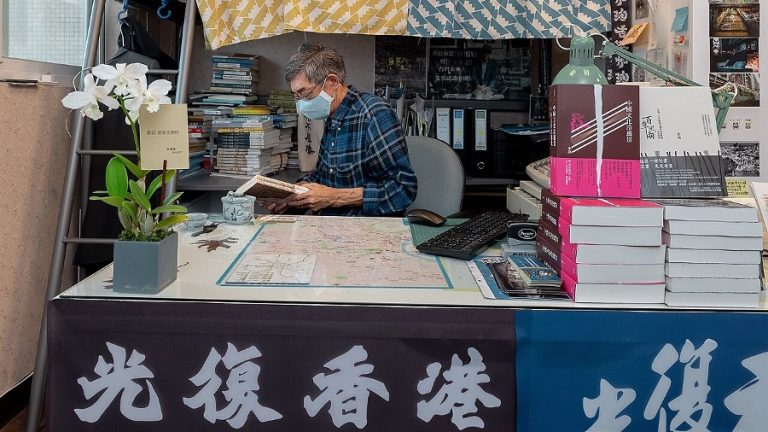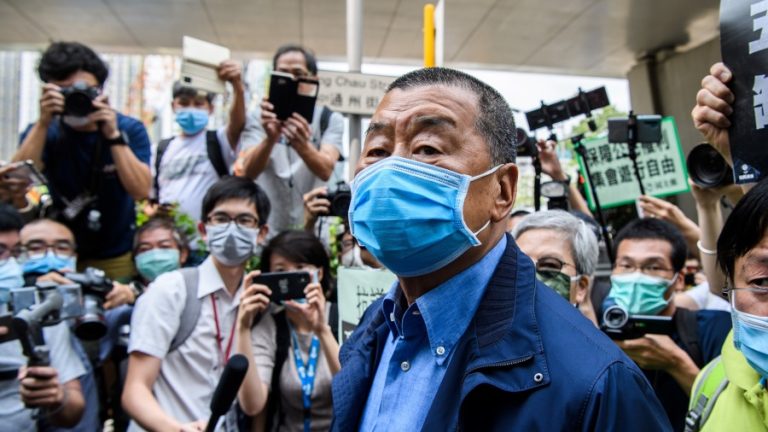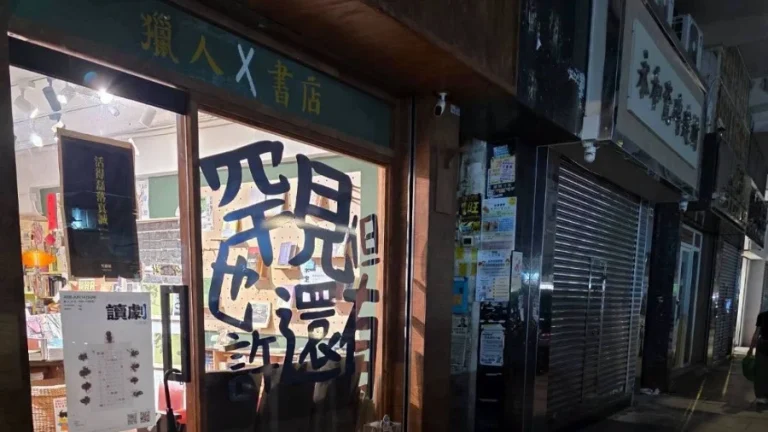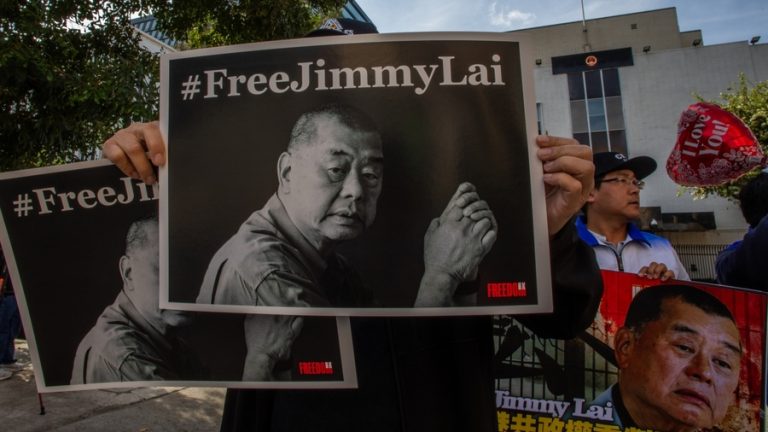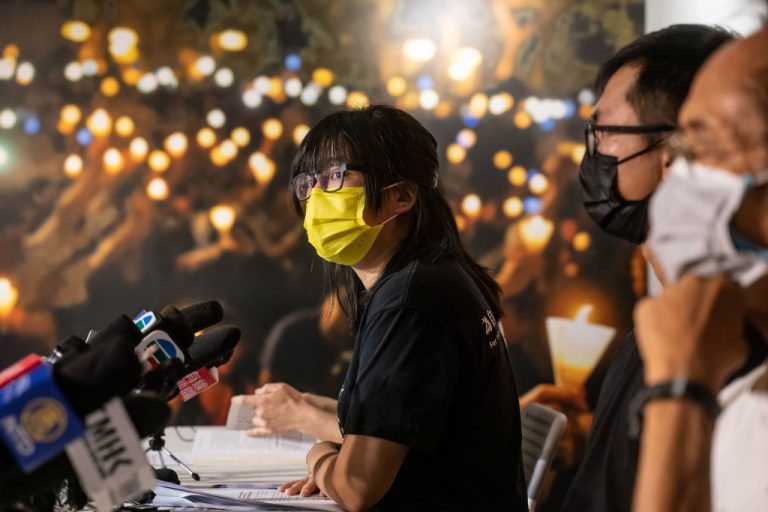
A Hong Kong court concluded closing arguments on Tuesday, May 19 in the national security trial of two former organizers of the city’s annual vigils marking the 1989 Tiananmen Square massacre. The three-judge panel said it expected to deliver a verdict in mid- to late July. Chow Hang-tung, a 41-year-old barrister who represented herself, and Lee Cheuk-yan, a 69-year-old former trade unionist, face up to 10 years in prison on charges of inciting subversion under the National Security Law, which was imposed bu Communist China in 2020.
The two were charged in September 2021 and have been held in pre-trial detention ever since. The trial began in January and concluded in 24 hearings, far short of its scheduled 75 days.
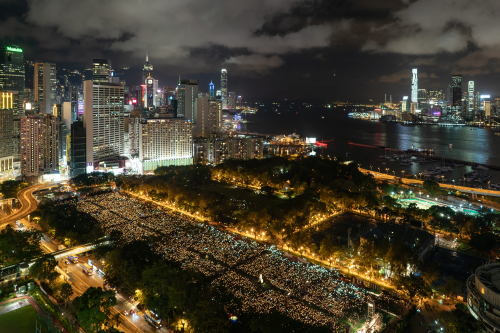
The Hong Kong Alliance in Support of Patriotic Democratic Movements of China, of which Chow and Lee were former vice-chair and chairman, was founded in May 1989 in support of the student democracy movement in Beijing that ended when the Chinese military attacked protesters gathered in and around Tiananmen. From 1990 until 2019, the Alliance organized an annual candlelight vigil at Victoria Park on June 4 — commemorating the thousands killed in Beijing — that regularly drew tens of thousands of attendees.
Show trials
Hong Kong was the only place under Chinese sovereignty where a large-scale public commemoration of the crackdown was permitted. The vigil was banned in 2020, with authorities citing the COVID-19 pandemic. After the Chinese Communist Party (CCP) imposed its National Security Law in June 2020 and the locally enacted Article 23 law followed in 2024, the ban was sustained on security grounds. The Alliance disbanded in September 2021 after its leaders were arrested and its museum raided.
Prosecutor Ned Lai told the court that freedoms of speech, assembly, and association are “not absolute rights” and could not function as “trump cards” against the National Security Law. The prosecution argued that the defendants’ advocacy for ending one-party rule in China constituted “incitement to subversion of state power,” a charge commonly seen in cases against political dissidents in mainland courts.
- Hong Kong Moves To Seize Jimmy Lai’s $16 Million In Assets Under National Security Law
- Two Men Convicted by UK Court for Spying on Dissidents for the Hong Kong Goverment
- Hong Kong’s National Security Budget Swells to HK$18 Billion Since 2020
Success
You are now signed up for our newsletter
Success
Check your email to complete sign up
Defense counsel Erik Shum, who represented Lee, argued that the court could not “pay lip service” to human rights protections, and that the prosecution had failed to identify what unlawful means the Alliance had ever asked the public to use.
Senior counsel Priscilia Lam, representing the Alliance as a defendant entity, said in Cantonese: “What did the Alliance do to incite people to subvert state power? I have heard nothing on this after sitting here for so long.”
Chow, defending herself, told the court the proceedings amounted to a trial of the law itself. “Speaking the truth has become inciting hatred, seeking justice has become exploiting suffering, limiting power has become violating the constitution, and returning power to the people has become subverting the state,” she said. She warned the judges they risked becoming “accomplices in the authorities’ crime” if the court did not draw clear limits on what the National Security Law treated as the natural effect of political speech.
The third co-defendant, longtime democracy advocate Albert Ho, pleaded guilty when the trial opened in January and will be sentenced separately.
The end of an annual vigil
The 37th anniversary of the Tiananmen crackdown falls on June 4, roughly two weeks from the close of arguments. The annual Victoria Park vigil has not been held in any form since 2019. After pandemic restrictions were lifted in 2023, the former vigil site was occupied by a carnival organized by pro-CCP groups, and a series of people who attempted to commemorate the date near the site were detained.
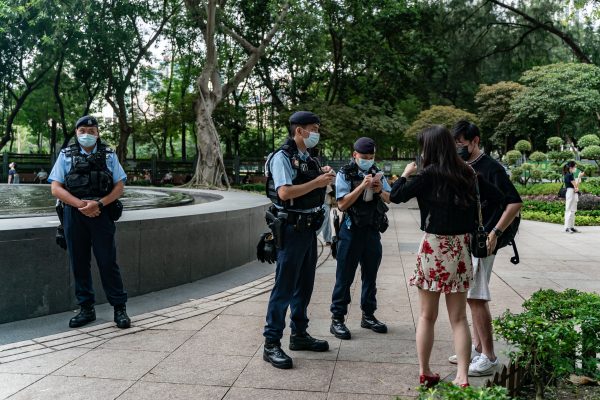
In 2022, Hong Kong’s Catholic Diocese ended its 36-year tradition of holding a June 4 memorial Mass. The Methodist Church and other religious bodies that had hosted prayer meetings on the date have either suspended or repurposed them. The Alliance’s museum collection of preserved items from the Tiananmen massacre was confiscated when police raided the premises in 2021.
Amnesty International’s deputy regional director for Asia, Sarah Brooks, said the prosecution’s case relied on “vague, overly broad and arbitrary definitions of ‘subversion'” and called for the charges to be dropped. The Network of Chinese Human Rights Defenders described the prosecution as a “sham.”
Amnesty International described the case as an attempt at “rewriting history and punishing those who refuse to forget the victims of the Tiananmen crackdown.” The three judges hearing the case were drawn from a government-vetted list of judges authorized to hear national security cases under the law.
The verdict in July will fall on a court that has consistently sided with the prosecution in national security cases since the law took effect. Both Chow and Lee have already served sentences for related convictions, including incitement to unauthorized assembly for Chow’s role in attempting to commemorate the 2021 anniversary.
Both have been imprisoned for the entire period since their September 2021 arrests, four years and eight months as of the week of May 17. Whether the Alliance leaders are convicted, and the length of any consecutive sentences imposed, will signal how Hong Kong’s courts intend to handle the criminalization of remembrance going into the years between the 37th and 40th anniversaries of the crackdown.