As China continues to reel from a sputtering economy stemming from weak consumer demand, a failing real estate sector, and declining exports, reports of civil servants receiving pay raises have ignited widespread discontent among netizens. The Chinese Communist Party’s (CCP) decision to increase salaries for public sector employees by an average of 5 percent comes at a time when many private-sector workers face wage cuts, mass layoffs, and an uncertain financial future.
The hike has also raised questions about fairness and the government’s priorities during economic turbulence, especially as unemployment soars and local governments are saddled with debt.
RELATED: Desperate Times: China’s Youth Take to Social Media to Lament Skyrocketing Unemployment
A controversial decision
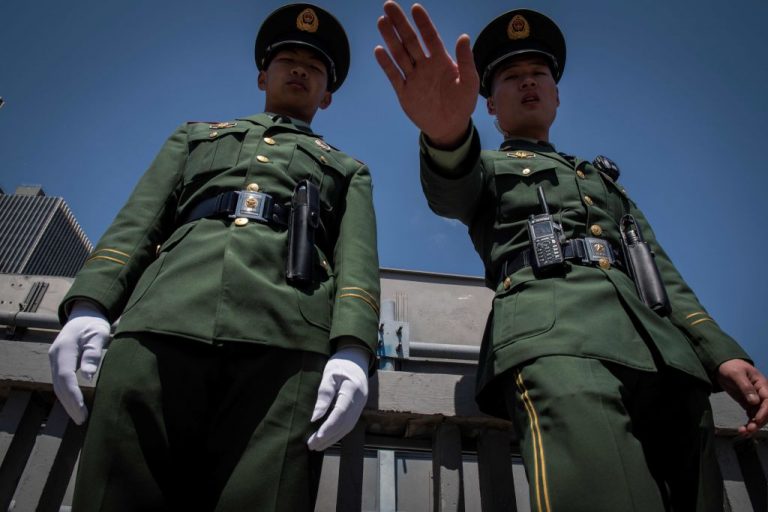
While official confirmation has yet to be issued, multiple sources, including Reuters, have corroborated reports that Chinese civil servants are receiving an average monthly salary increase of approximately 500 yuan (around USD$70). Some regions began implementing these raises retroactively from July 2024, with back pay distributed in December.

An anonymous civil servant in Beijing revealed to “The Economist” that she was informed of her salary increase on Jan. 2, as she celebrated the news with colleagues at a restaurant. “This should help stimulate consumption,” she told the outlet.
Success
You are now signed up for our newsletter
Success
Check your email to complete sign up
But critics argue that such measures are disproportionately benefiting a small segment of the workforce, while leaving the vast majority to struggle. Public servants — known for their job stability and robust benefits like healthcare and paid leave — already fare better than many private-sector employees. Bloomberg noted that the last significant pay raise for civil servants occurred in 2015, with this latest adjustment aiming to boost morale and encourage more consumer spending.
RELATED: The Silent Crisis: Pension Woes Mount in China Amid Sharp Decline in Elderly Care Facilities
The timing of the raises has fueled resentment among Chinese citizens who took to social media to express their views and frustrations. China’s economy has long been grappling with deflationary pressures, declining consumer confidence, and high youth unemployment. “Why only civil servants? What about the unemployed graduates and struggling small business owners?” asked one disgruntled netizen on social media.
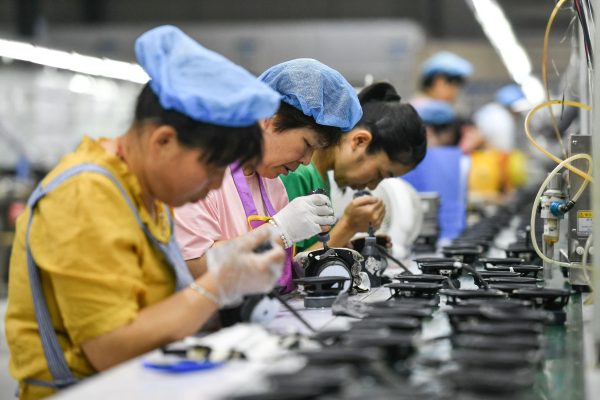
Another lamented the government’s decision to only help public servants, while the vast majority of Chinese are struggling to make ends meet. “Ordinary people were hoping for aid to get through the winter, but instead, we received more bureaucratic documents while civil servants got pay raises,” wrote the user.
Public backlash
Netizens also questioned the financial feasibility of the raises, particularly given reports of local governments struggling to meet payroll obligations. “Isn’t this the same government that said it needed to tighten its belt?” questioned one netizen. “Where is this new money coming from?”
Even within the public sector, opinions on the pay raises are divided. Some civil servants expressed gratitude for the additional income, while others lamented that it barely offsets years of reduced bonuses and stagnating wages. A retired civil servant’s pension was reportedly increased by over 10 percent, yet many private-sector employees remain excluded from such benefits.
RELATED: Cyber Onslaught: Taiwan Hit With Nearly 1 Million Cyberattacks From China Per Month
“This increase is far from sufficient to make up for previous pay cuts,” said one government worker on Weibo (a popular blogging and social media app in China).
Turning tides
Beijing appears to view this policy as part of a broader effort to stimulate consumption and stabilize the public sector, experts note. “Low-income groups typically spend a higher proportion of their income, and civil servants’ relatively secure social benefits make them more likely to consume,” noted a senior economist from the Economist Intelligence Unit.

In recent years, the Chinese government has also introduced various measures to revive domestic demand, including promoting consumer spending and offering preferential loans. At the 2024 Central Economic Work Conference, boosting consumption was declared a priority for 2025.
RELATED: US Tariffs on Chinese Chips Set to Persist Amid Global Semiconductor Showdown
But analysts remain skeptical about whether the pay raises will significantly impact overall economic activity. Wang Guochen, a scholar at the Chung-Hua Institution for Economic Research, warned against the potential pitfalls of stimulating the economy in this way. “We’re seeing widespread wage cuts and layoffs,” said Wang, adding, “The central policy might not be fully implemented at local levels due to financial constraints.”
The perception of inequality stemming from these raises has intensified public dissatisfaction with the government’s handling of the economic crisis.
Critics argue that focusing resources on a relatively privileged group undermines efforts to rebuild trust and address the broader economic challenges faced by the vast majority of China’s workforce. “The public sector is already the most stable employment category,” said Li Hengqing, a scholar at the Center for Strategic and International Studies. “This move seems more about consolidating power than addressing economic woes.”