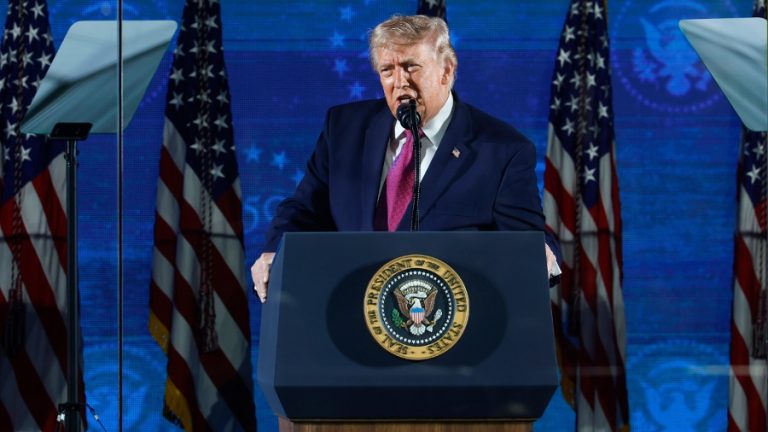
The U.S. has imposed an additional 10 percent to its China tariffs, increasing the blanket rate to 20 percent, after President Donald Trump signed an executive order on March 3 mandating the hike on import duties involving Chinese goods.
Trump blamed Beijing for not taking sufficient action to prevent the export of precursor chemicals used to make the deadly drug fentanyl to the United States, calling this “an unusual and extraordinary threat … to the national security, foreign policy, and economy of the United States,” he stated in the executive order.
“I have determined that the PRC [People’s Republic of China] has not taken adequate steps to alleviate the illicit drug crisis through cooperative enforcement actions and that the” fentanyl crisis “has not abated,” the executive order states, referring to Communist China by its official name.
In his first term running from 2017 to 2021, the Trump administration had imposed tariffs on a significant portion of Chinese goods. Soon after returning to office in January 2025, Trump added a blanket 10-percent tariffs to all Chinese exports to the U.S.
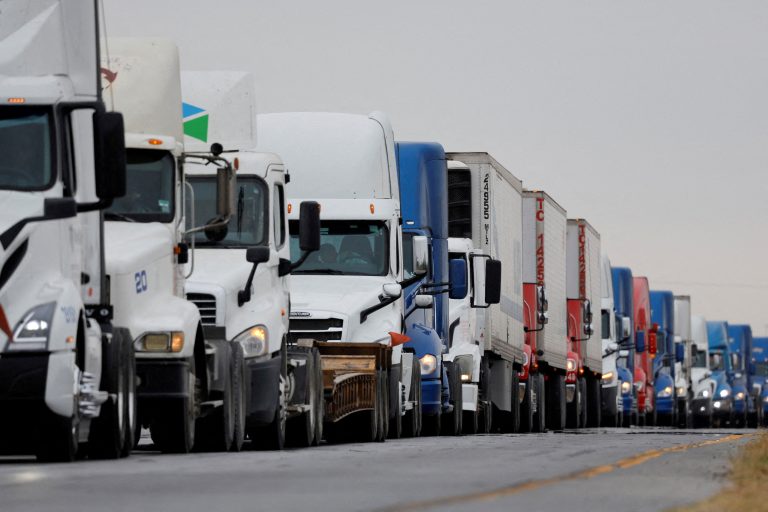
On March 4, 25-percent tariffs were levied on Mexico and Canada for what Trump also described as their role in allowing fentanyl to be smuggled onto American soil.
Success
You are now signed up for our newsletter
Success
Check your email to complete sign up
An exception was made for energy imports from Canada, which are now subject to a 10-percent tariff.
Trump also criticized China, as well as Japan, for making use of their devalued currencies to boost exports at the expense of the U.S.
China, Mexico, and Canada are America’s three top trading partners, accounting for US$2.2 trillion in annual trading volume.