Published with permission from LuxuryWeb.com
While visiting Spain, I had the best sangria, jamón Ibérico, and other tapas while sitting at the outdoor tables of “Cervecería Alemana” on Madrid’s Plaza de Santa Ana. I had just arrived in the capital after a long, tiring train ride from Bilbao, following my visit to the Gastronomika Conference in San Sebastián.
Exhausted and hungry, I knew a chilled glass of sangria would be the perfect way to wash down the tapas that would be my dinner.
From past visits to classic Madrileño eateries, I knew where to head: Cervecería Alemana, conveniently located near my hotel. A known Hemingway haunt, the bar still keeps a table by the entrance window reserved in his honor. It’s a beloved gathering spot for the city’s intelligentsia, known for its fine selection of imported German beers.
RELATED: Visiting Madrid’s Cervecería Alemana: A Fusion of History, Tapas, and Literature
Success
You are now signed up for our newsletter
Success
Check your email to complete sign up
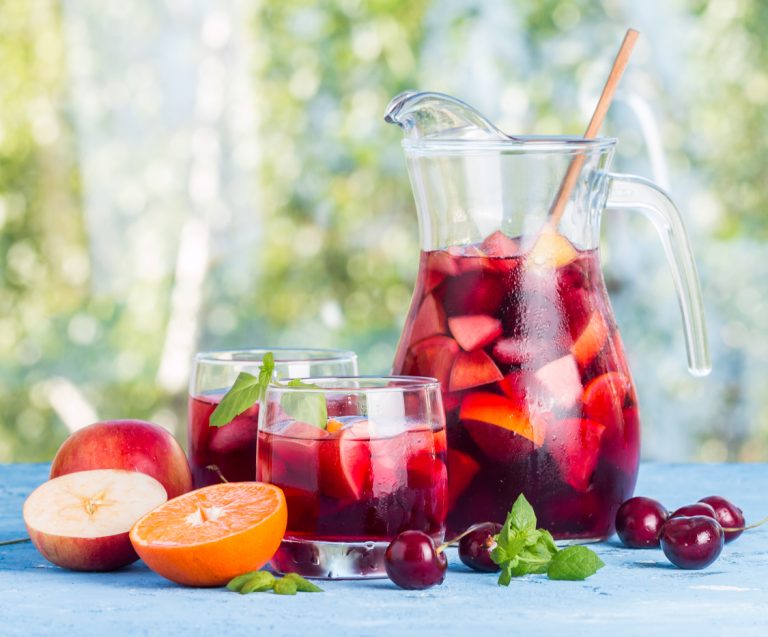
But on that unusually hot late-October evening, beer didn’t feel right. A cold pitcher of sangria, fruity and refreshing, was just what I needed. Here’s my go-to recipe for classic red sangria:
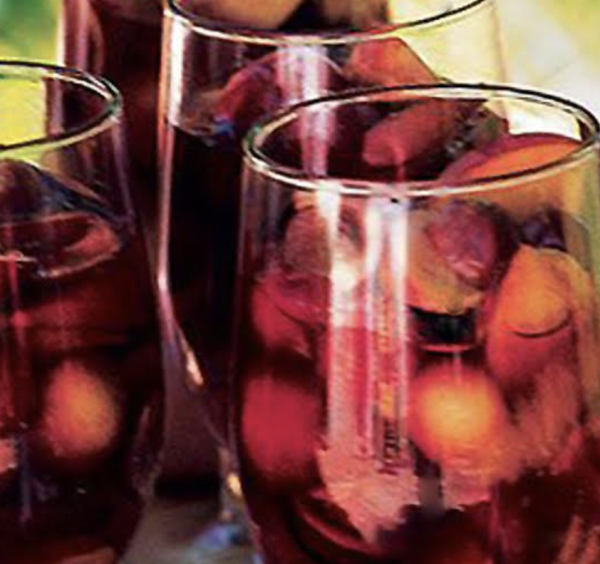
Ingredients:
- 1 (750 ml) bottle of dry red wine
- ¾ cup fresh orange juice
- ½ cup Spanish brandy or rum (Carlos I – Carlos Primero – is my favorite)
- ½ cup sugar
- 1 orange, sliced
- Juice of 1 lime
- 1 apple, sliced
- 1 cup sliced fresh strawberries (optional, to taste)
- 1 (3-inch) cinnamon stick
Method:
- In a large pitcher, combine the red wine, orange juice, lime juice, brandy, sugar, and cinnamon stick.
- Slice the orange and lemon into thin rounds. Peel and slice the apple and strawberries. Reserve a few citrus rounds for garnish and add the rest of the fruit to the pitcher. Stir to combine.
- Refrigerate for at least 2 hours (overnight is even better) to let the flavors meld.
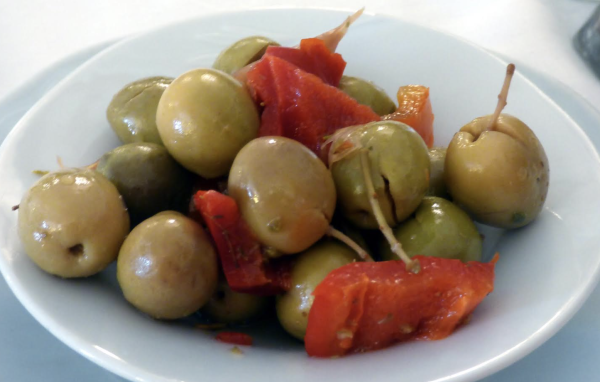
Sangria and tapas in Spain — or any chilled alcoholic drink with a plate of meze elsewhere in the Mediterranean — are time-honored indulgences, especially on hot days.
The name “sangria” comes from “sangre,” the Spanish word for “blood,” a nod to the drink’s deep crimson hue when made with traditional dry red wine.
In many Spanish bars I’ve frequented, sangria is made with an affordable Rioja or a budget-friendly red from Priorat. If you’re making it at home, look for a dry red in the $8 to $15 range. Spanish wine is the gold standard, but Italian, Californian, Portuguese, or Greek reds in that price range also work well. I find French Burgundies too heavy — and too costly — for what is, in essence, a fruit punch with flair.
When it comes to fruit, ripe but crisp is key. I personally enjoy strawberries in my sangria, though that’s a more modern twist. Traditionally, the recipe calls only for citrus and apple slices.
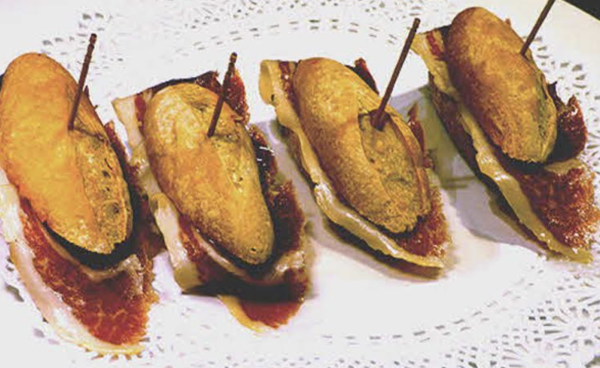
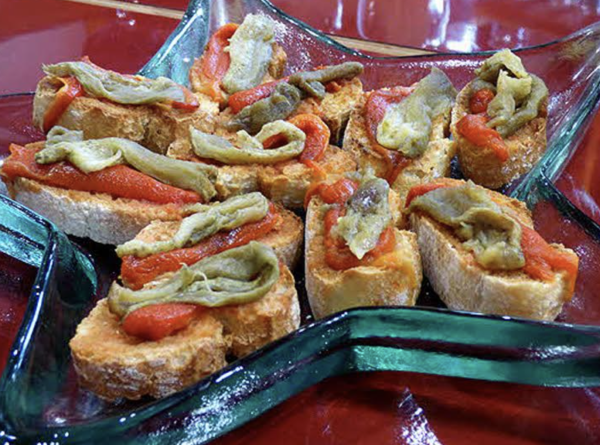
Of course, you can’t have wine in Spain without tapas. These small bites range from simple to elaborate. Traditionally, it might be a piece of cheese or cured meat, a sliver of pickled fish, or something creative served on a slice of bread with a toothpick.
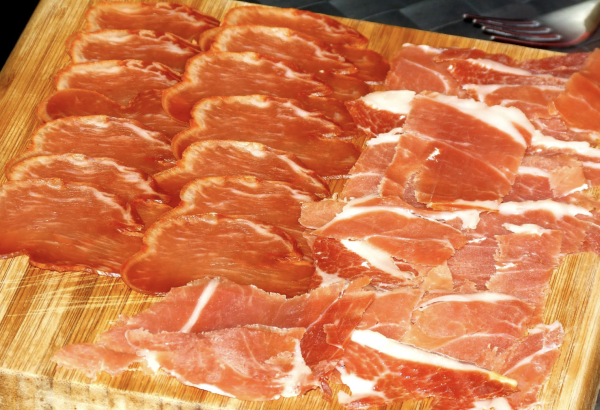
Many bars will also offer Manchego cheese, thin slices of jamón Ibérico (dry-cured meat from black-footed Iberian pigs), albondigas (meatballs in sauce), pulpo gallego (pickled octopus), boquerones (pickled anchovies), or chipirones en su tinta (baby squid in its own ink), among others.
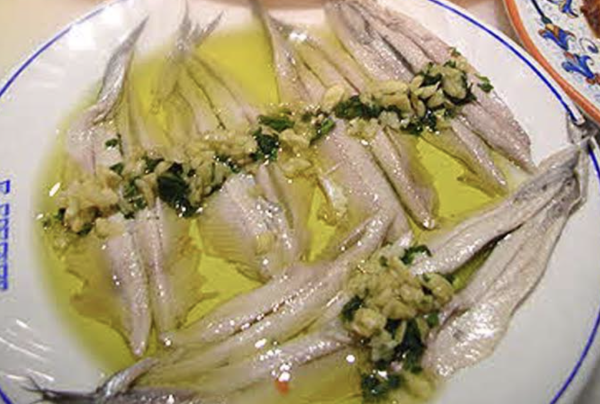
Other typical offerings include snails in onion sauce, changurro gratin (stuffed crab shells with breadcrumbs, peppers, celery, and crab meat, Basque-style), pickled mushrooms, green or black olives, and gambas al ajillo (garlic shrimp). Whether raw, cooked, or pickled, the idea remains the same: Never drink on an empty stomach.
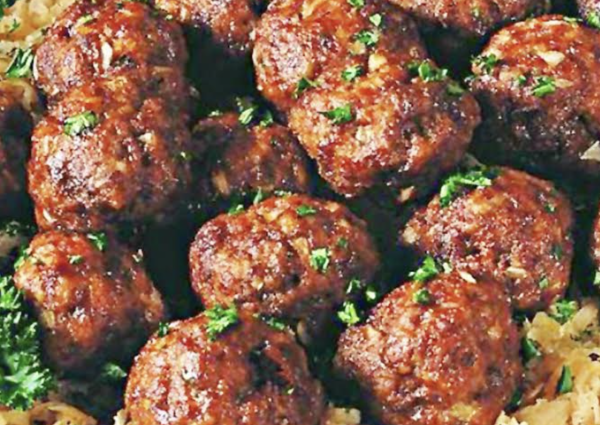
In the past, tapas were free — small plates offered with each glass of wine. These days, most places charge for them, but the prices remain reasonable, and the flavors are more than worth it.
Cheers to your health! Or “salud!” as they say in Spain!
Visit LuxuryWeb Magazine to see the original article and more.