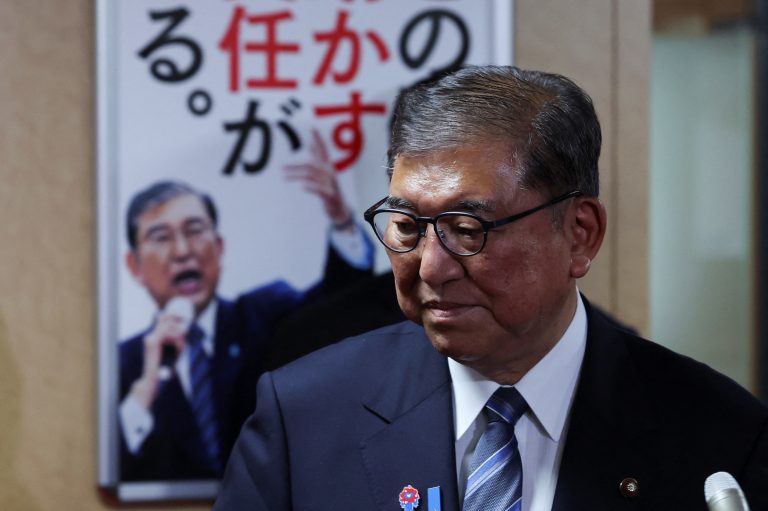
After less than a year on the job, Japanese Prime Minister Shigeru Ishiba has announced his resignation following his party’s multiple election defeats and a series of high-profile social and economic problems. Though the center-right Liberal Democratic Party (LDP) remains Japan’s largest political party, it no longer holds a majority in the legislature and it’s unclear who will succeed Ishiba as successor.
Ishiba resigned on Sunday, Sept. 7, ushering in a potentially lengthy period of policy uncertainty at a shaky moment for the world’s fourth-largest economy.
Having just ironed out final details of a trade deal with the United States to lower President Donald Trump’s punishing tariffs, Ishiba, 68, told a press conference he must take responsibility for a series of bruising election losses.
Since coming to power less than a year ago, the unlikely premier has overseen his ruling coalition lose its majorities in elections for both houses of parliament amid voter anger over rising living costs, the price of rice, and concerns over increased immigration.
Ishiba instructed the LDP, which has ruled Japan for almost all of the post-war period, to hold an emergency leadership race, adding he would continue his duties until his successor was elected.
Success
You are now signed up for our newsletter
Success
Check your email to complete sign up
“With Japan having signed the trade agreement and the president having signed the executive order, we have passed a key hurdle,” Ishiba said, his voice seeming to catch with emotion. “I would like to pass the baton to the next generation.”
Trump said he was “a little bit surprised” at Ishiba’s move. Asked by reporters whether he would visit Japan along with South Korea later this year, Trump added: “We’ll see.”
Future outlook for the LDP and Japan
Ishiba, a party outsider who became leader on his fifth attempt last September, wrapped up his brief tenure by completing the trade deal with Japan’s biggest trading partner, pledging $550 billion of investments in return for lower tariffs.
Trump’s tariffs, especially those targeted at Japan’s critical automotive sector, had forced Japan to downgrade its already weak growth outlook for the year.
Ishiba said he hoped his successor could ensure the deal is executed and Japan continues generating wage gains to assuage voter concerns over living costs.
He also expressed concern about the security environment his successor will inherit, pointing to an unprecedented gathering of Chinese, Russian and North Korean leaders in Beijing for a massive military parade last week.
Ishiba had faced calls to resign since the latest of those losses in an election for the upper house in July. The LDP had been scheduled to hold a vote on whether to hold an extraordinary leadership election on Monday, Sept. 8.
Ishiba will continue as prime minister until after the election, expected to be held in October.
“Given the political pressure mounting on Ishiba after the LDP’s repeated election losses, his resignation was inevitable,” said Kazutaka Maeda, economist at Meiji Yasuda Research Institute.
The next LDP president is no longer guaranteed to become premier as the ruling coalition has lost its majorities in both chambers of parliament. There is a slim possibility an opposition party leader takes the helm in Tokyo; in any event, the LDP would have to form a coaltion with one or more minority parties to govern.
Whoever becomes the next leader may choose to call a snap election to seek a mandate, analysts said. While Japan’s opposition remains fractured, the right-wing, anti-immigration Sanseito party made big gains in July’s upper house election, bringing once-fringe ideas into the political mainstream.
Several LDP heavyweights are reported by Japanese media to be considering running in the party leadership race, and former foreign minister Toshimitsu Motegi has declared himself a candidate.
Possible successors
The domestic media, however, consider LDP veteran Sanae Takaichi and Shinjiro Koizumi, the agricultural minister tasked with trying to rein in soaring rice prices, as front runners. They are also the top two picks in public opinion polls on Ishiba’s successor.
“As for potential successors, Koizumi and Takaichi are seen as the most likely candidates. While Koizumi is not expected to bring major changes, Takaichi’s stance on expansionary fiscal policy and her cautious approach to interest rate hikes could draw scrutiny from financial markets,” Maeda said.
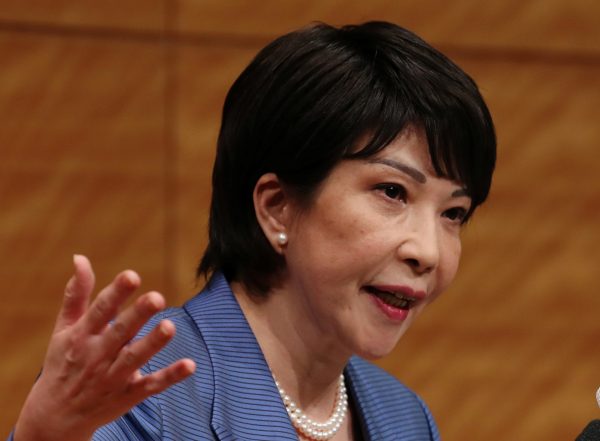
If chosen, Takaichi would be Japan’s first female prime minister.
An LDP party veteran who has held a variety of roles, including economic security and internal affairs minister, the 68-year-old lost to Ishiba in the LDP leadership race in a run-off vote last year.
Known for conservative positions such as revising the pacifist postwar constitution, Takaichi is a regular visitor to the Yasukuni shrine to honour Japan’s war dead, viewed by some Asian neighbours as a symbol of past militarism.
- Japan Struggles With National Rice Crisis (June 2025)
- Asian Leaders Mark 80 Years Since Japanese Surrender in World War II
Takaichi stands out for her vocal opposition to the Bank of Japan’s interest rate hikes and her calls to ramp up spending to boost the fragile economy.
The 44-year-old Shinjiro Koizumi, meanwhile, is heir to a political dynasty with a hand in governing Japan for more than a century, Koizumi would become its youngest prime minister in the modern era.
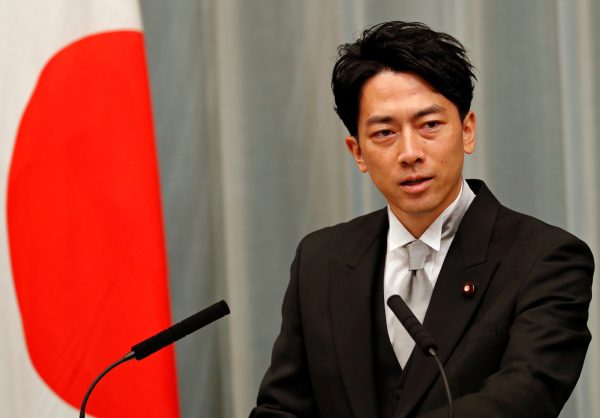
Koizumi, son of former Prime Minister Junichiro Koizumi, ran in the last year’s party leadership race, presenting himself as a reformer able to restore public trust in a scandal-hit party.
Unlike Takaichi, who left government after her defeat in that contest, Columbia University-educated Koizumi stayed close to Ishiba as his agriculture minister.
Yoshinobu Tsutsui, chairman of Japan’s biggest business lobby, Keidanren, said there was “no time to lose” with mounting domestic and international challenges.
“We hope the new leader will foster unity within the party, establish stable political conditions, and move swiftly to implement necessary policies,” Tsutsui said.
Reuters contributed to this report.