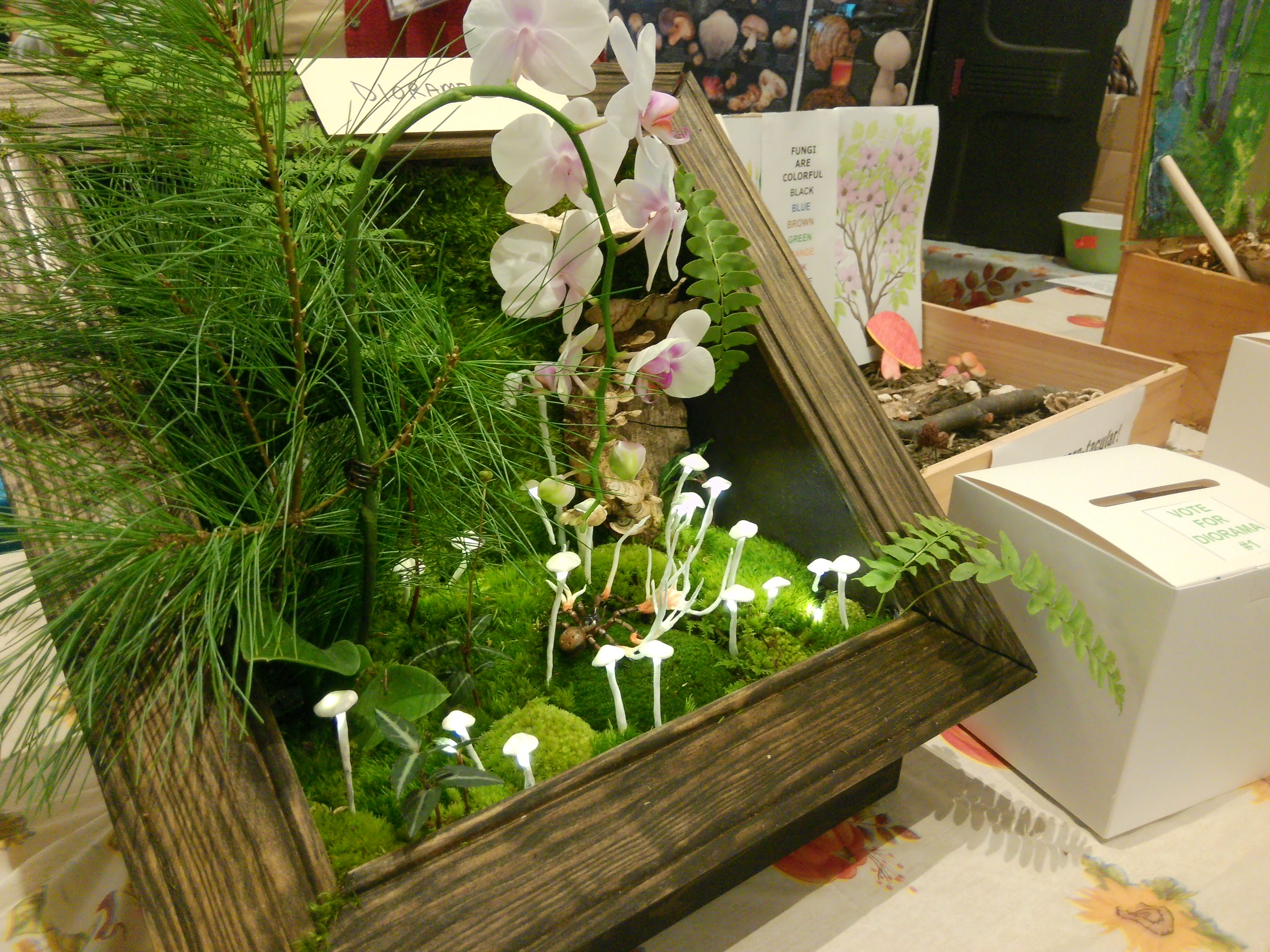
October 12 was an exciting Sunday for mushroom lovers across New Jersey and the Tristate area. The Fungus Fest, hosted by the New Jersey Mycological Association at the Frelinghuysen Arboretum in Morris County, New Jersey, offered ample opportunity for exploration in almost any direction one’s fungal interests might tend.
Fascinating fungal displays, demonstrations and vendors covered the broad topics of mushroom identification, cultivation, cooking, crafting, medicine and more. With hundreds of enthusiasts venturing out despite threats of wind and rain, the event was buzzing with positive energy and comradery.
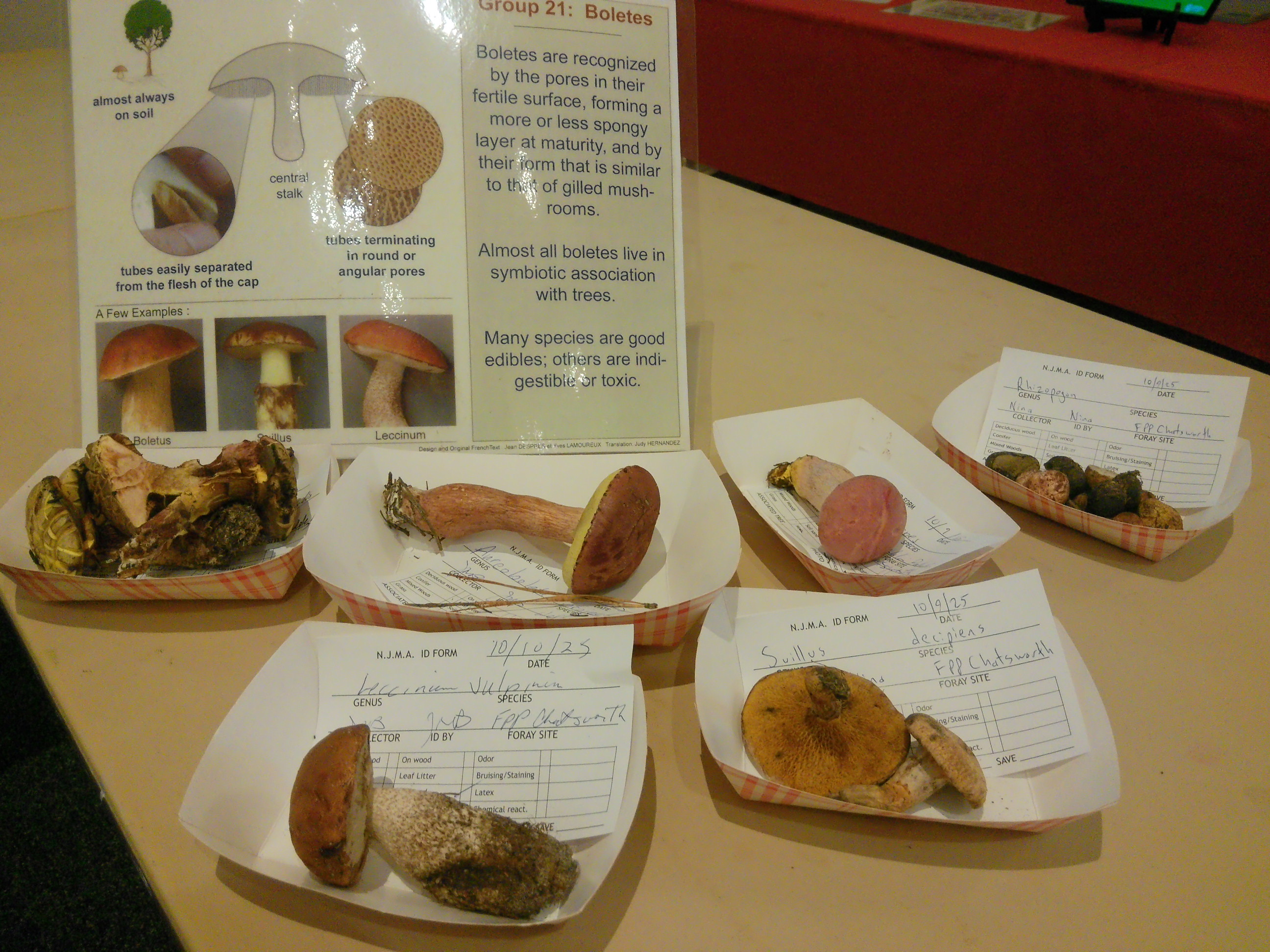
For the mycophile, it was a rare chance to see dozens of different fresh specimens, carefully collected beforehand by NJMA members to represent most of the major mushroom groups. With a focus on education, key identification characteristics were clearly noted on display boards.
Outdoors, guided tours featured over a dozen fungi, strategically planted as one would find them in nature, but all within a short walk. Participants were also encouraged to bring in mushrooms for expert identification.
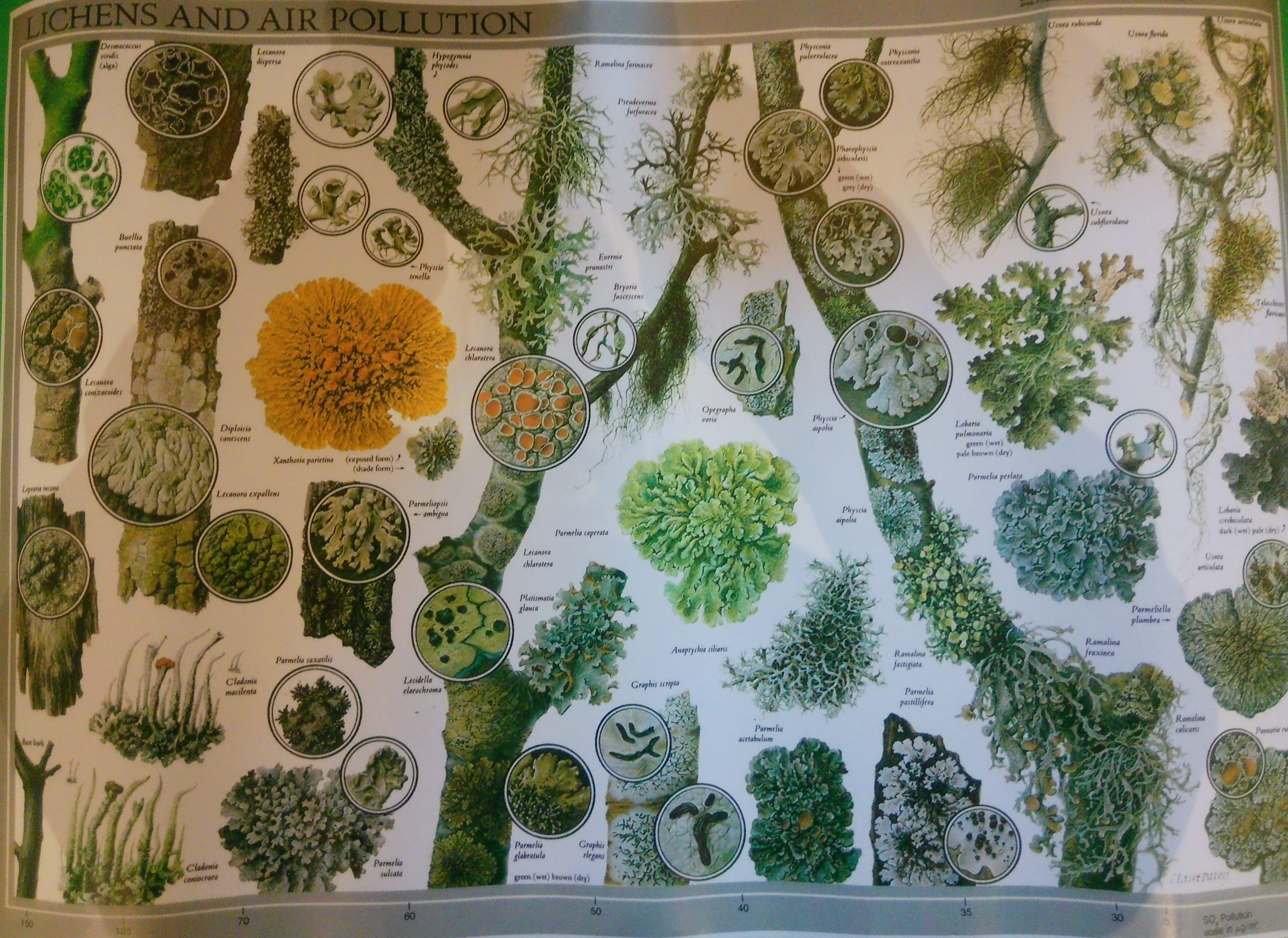
Educational displays highlighted how fungi play an important role in many aspects of our lives, including the ecological significance of lichens (a symbiotic association between fungi and algae).
Success
You are now signed up for our newsletter
Success
Check your email to complete sign up
For the artist in everyone, mushrooms open up a whole new world to natural handicrafts.
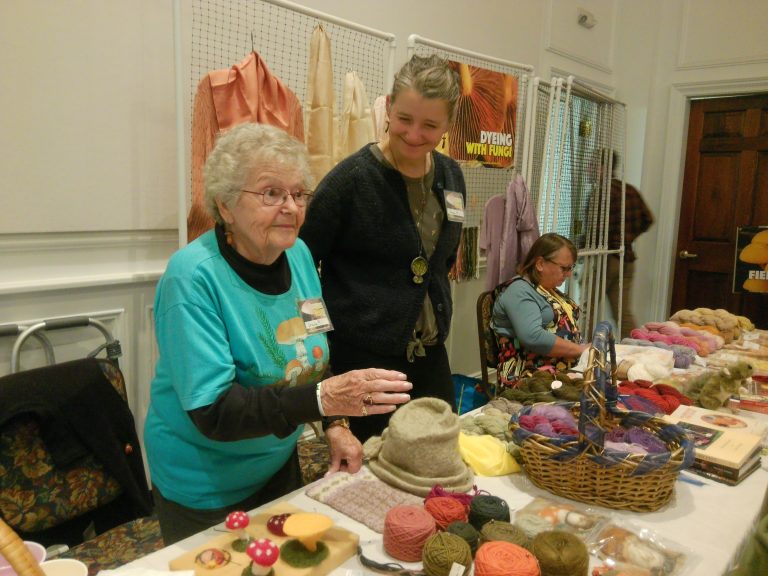
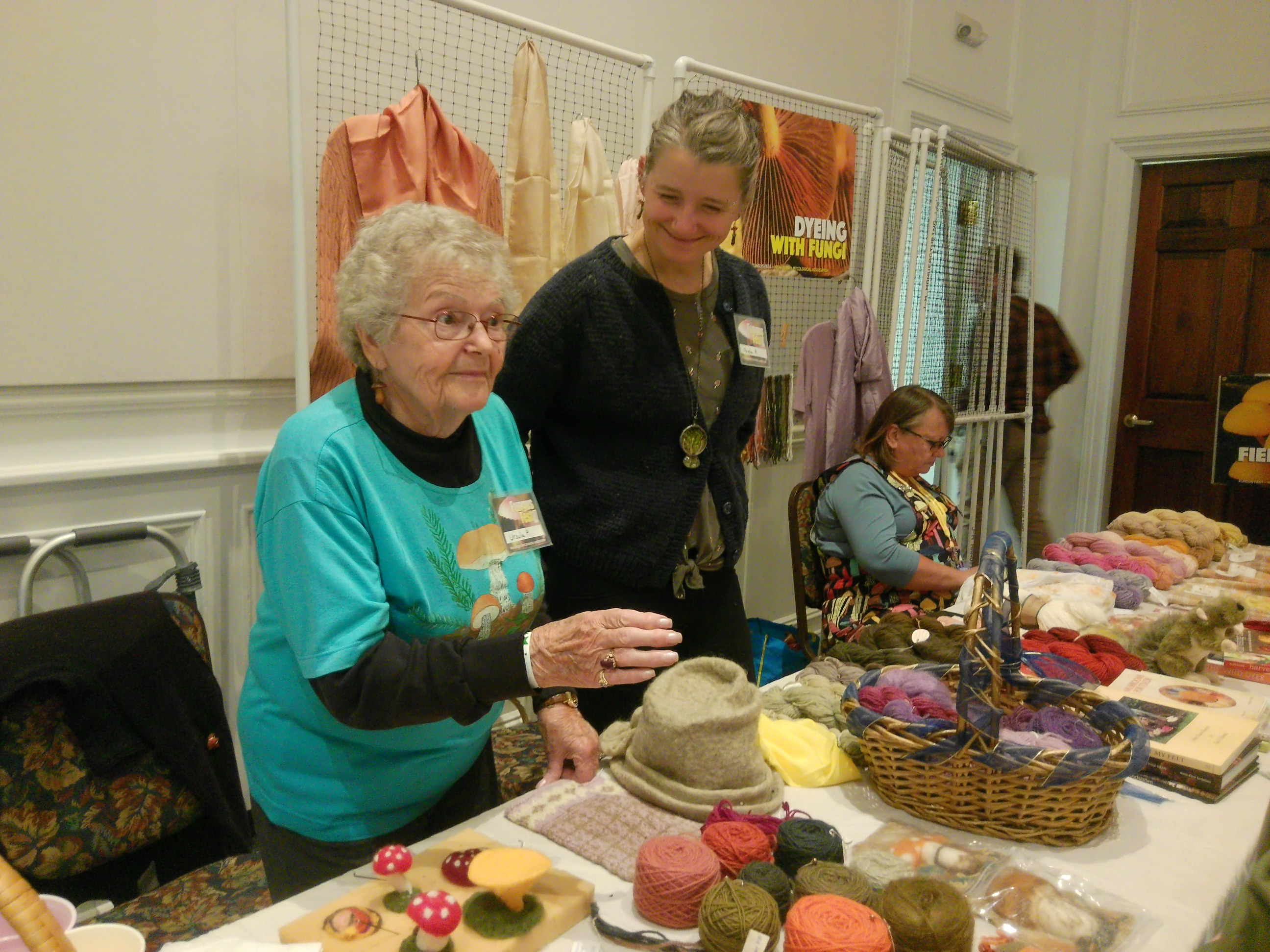
Ursula, a skilled dyer and needleworker showcased the amazing spectrum of colors possible with mushroom-based dyes. Aside from rich, warm, earth tones, mushroom dyes can yield vibrant yellows, reds and even blues — all more beautiful and much less toxic than synthetic dyes.
Natural fibers like wool, silk and linen are excellent recipients for these precious pigments, which often call for twice the dry weight ratio of mushroom to material.
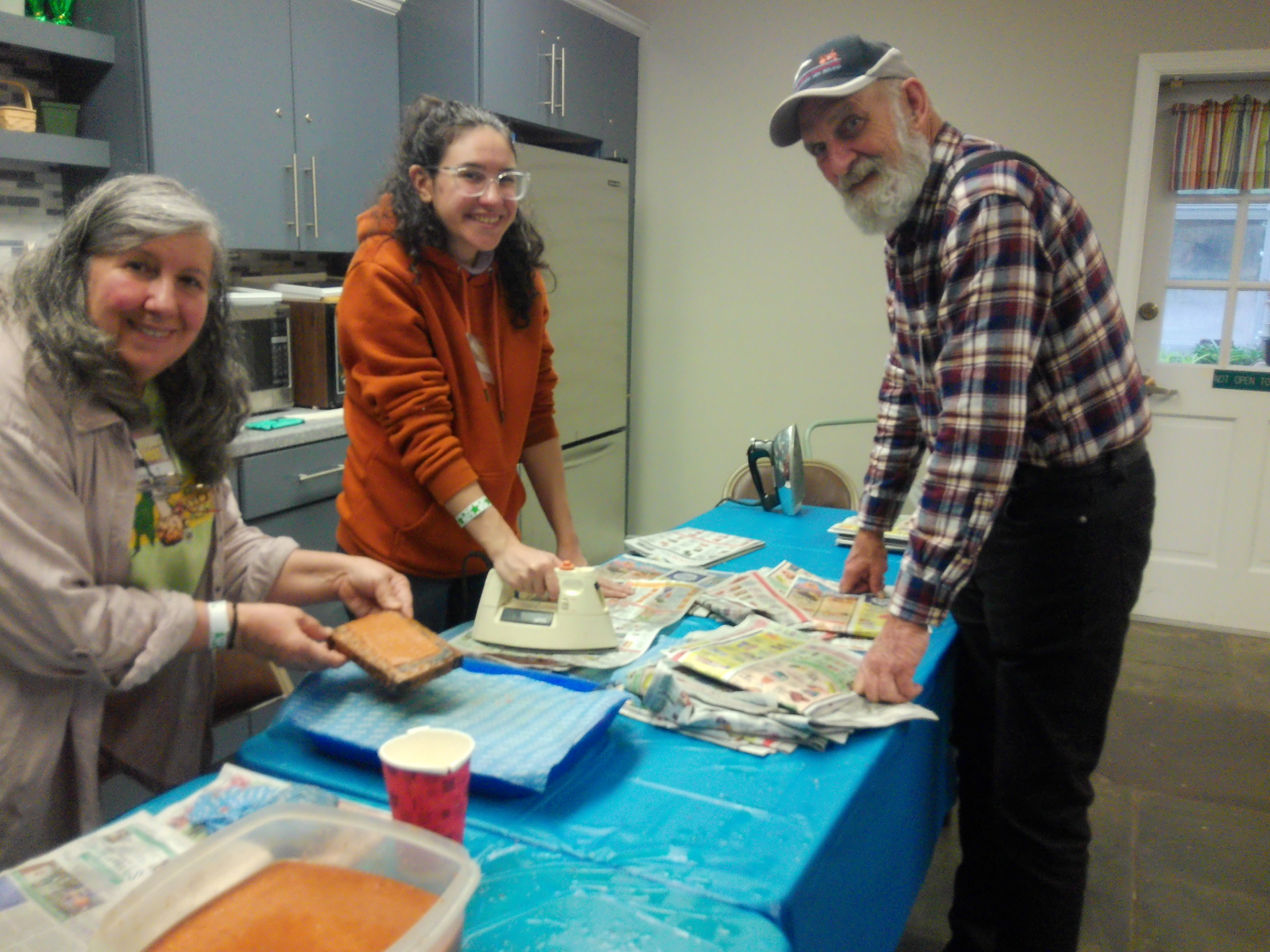
A mother-daughter team also conducted a popular paper-making workshop, where pulp from three species of mushrooms — Pycnoporus cinnabarinus, Chlorociboria aeruginascens, and Fomitopis betulina — were collected on a screen and pressed into beautifully-textured swatches in soft colors. They made a simple, gorgeous keepsake for the event, suitable (once fully dried) as a bookmark.
Speaking of which, anyone wishing to augment their personal library found great deals on mushroom books — many vintage — with stunning photos, detailed descriptions or fine illustrations.
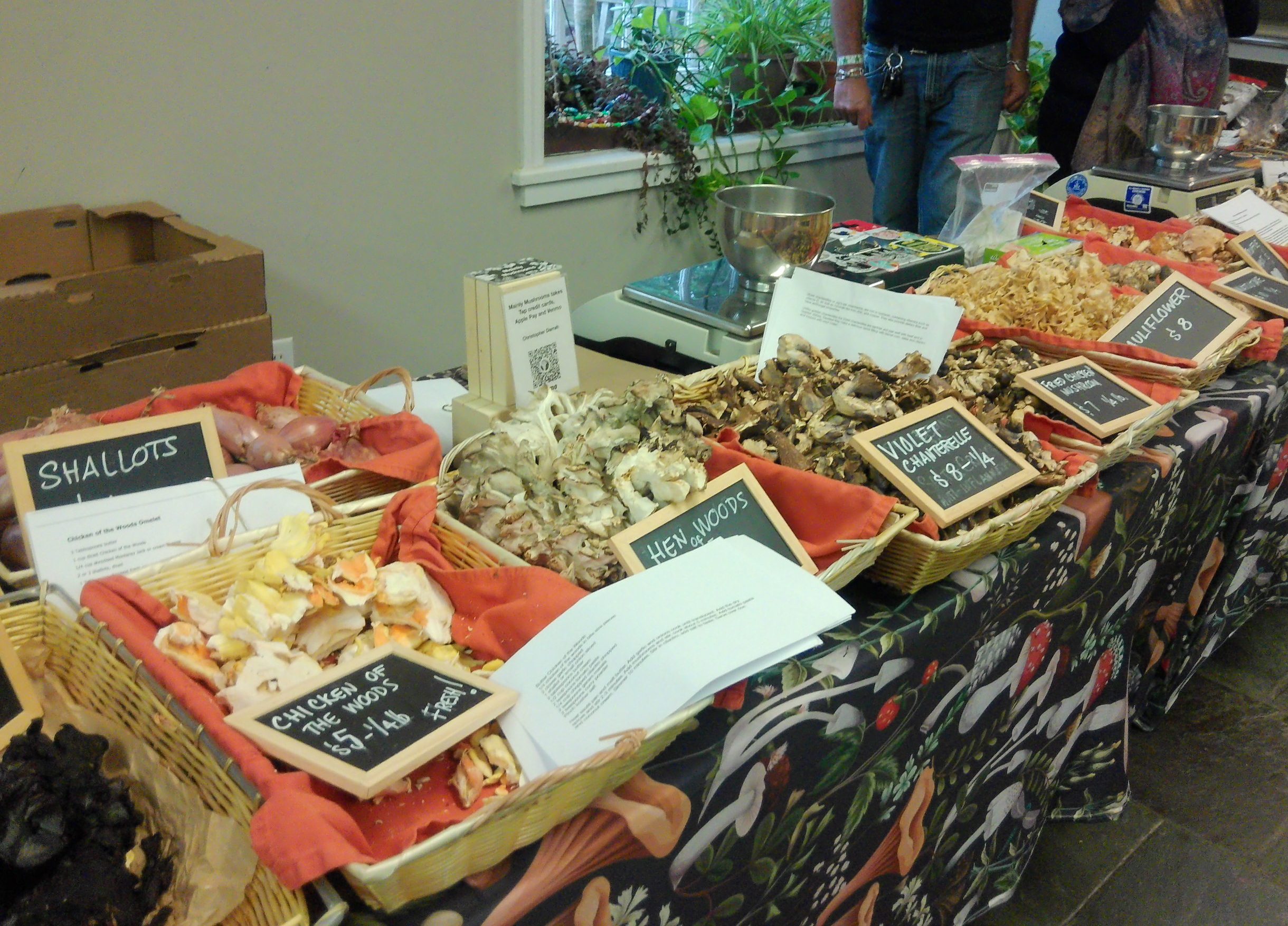
Also available for purchase was an astounding array of — you guessed it — mushrooms! New Jersey’s own Smiling Earth Mushroom offered a variety of local mushroom products.
Mainly Mushrooms, located in Doylestown, PA, had an impressive selection of specialty mushrooms — including fresh chicken of the woods, violet chanterelle, cauliflower mushroom and truffles, as well as dried black trumpet mushrooms, cordyceps, and morels.
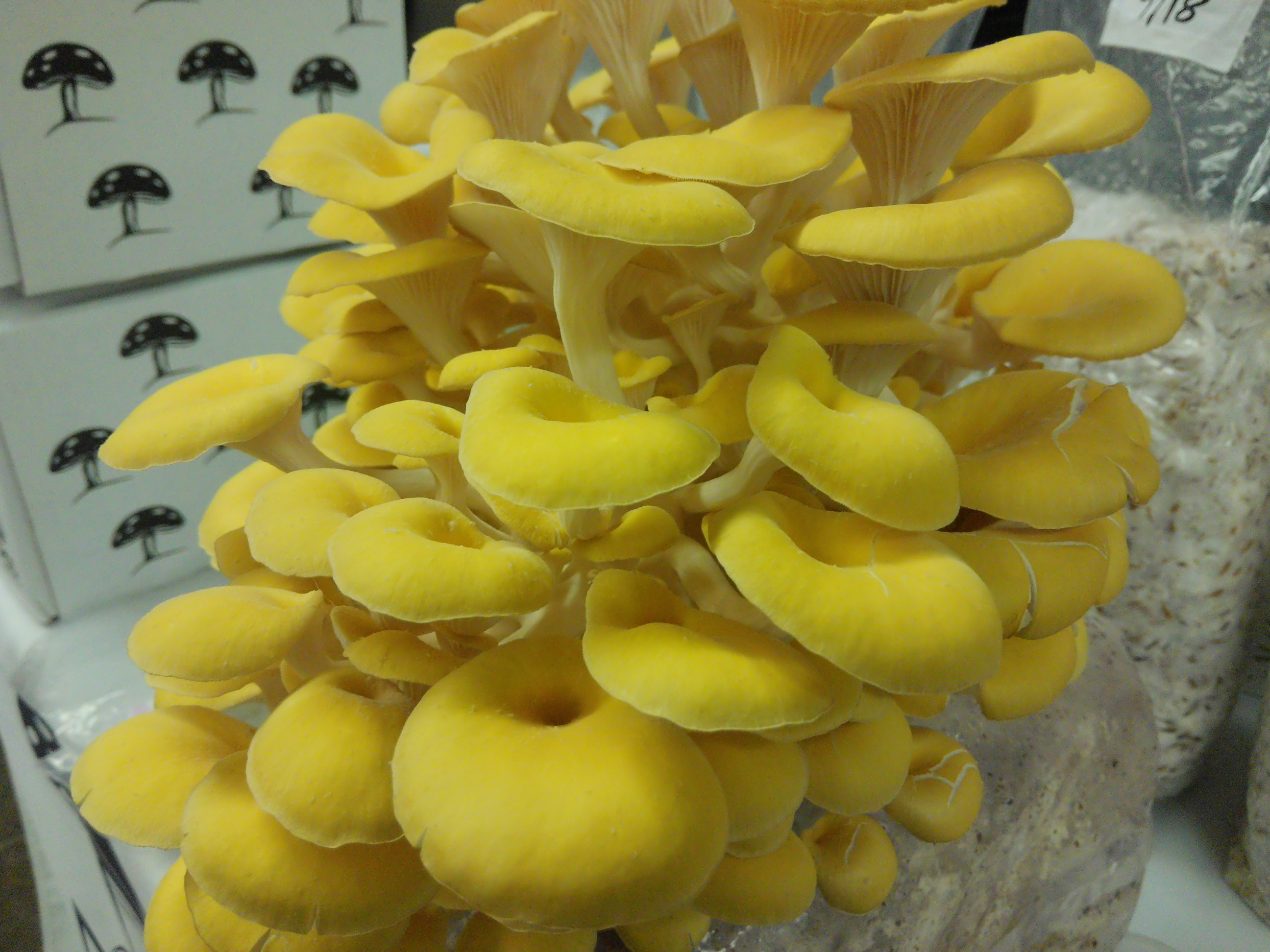
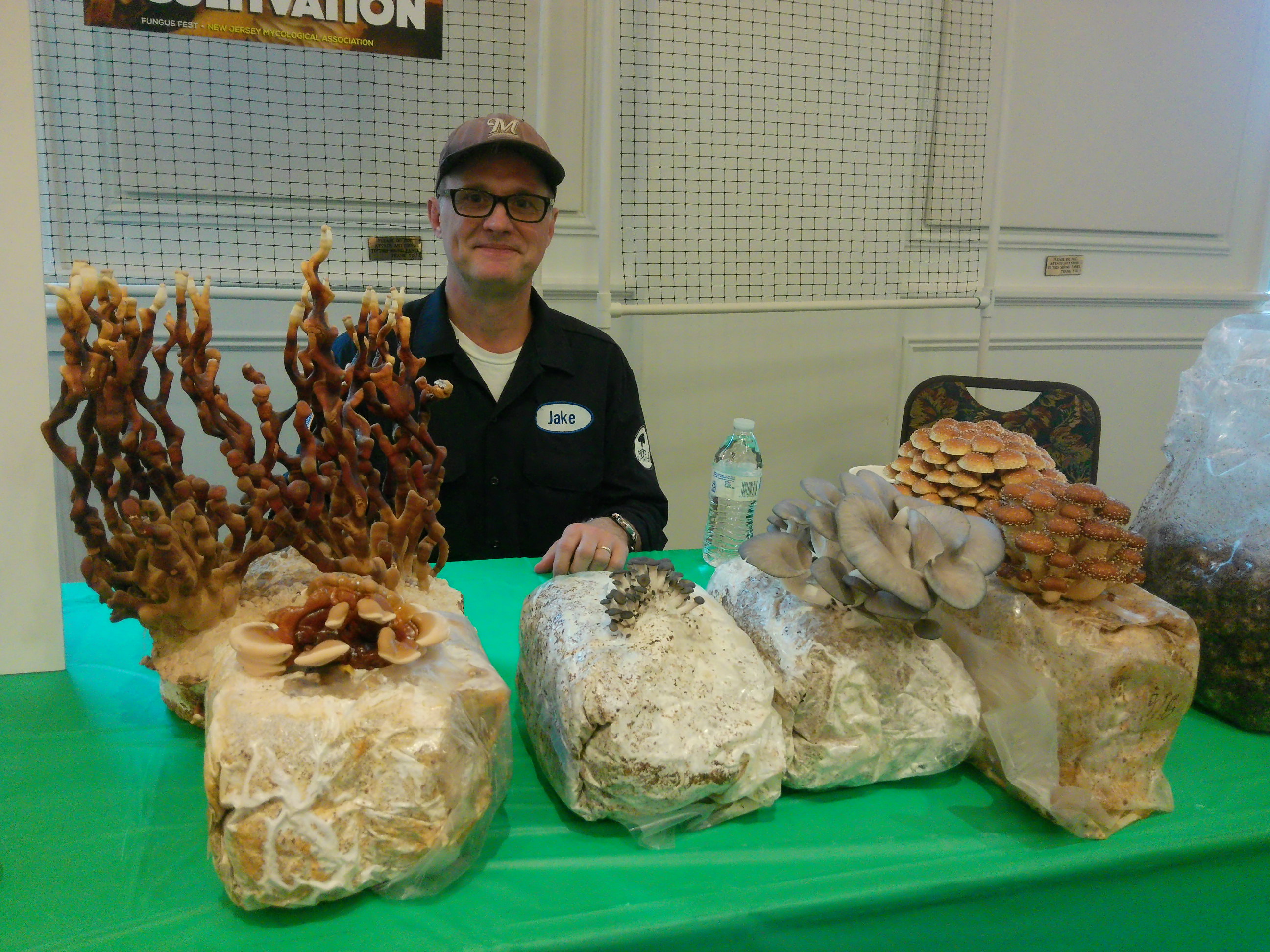
Across the aisle was Noble Mushrooms, a certified organic supplier for mushroom cultivation, offering liquid cultures, grain spawn, and ready-to-go grow kits. Growing your own mushrooms is a fun and rewarding way to try unusual varieties without risking a fatal mistake.
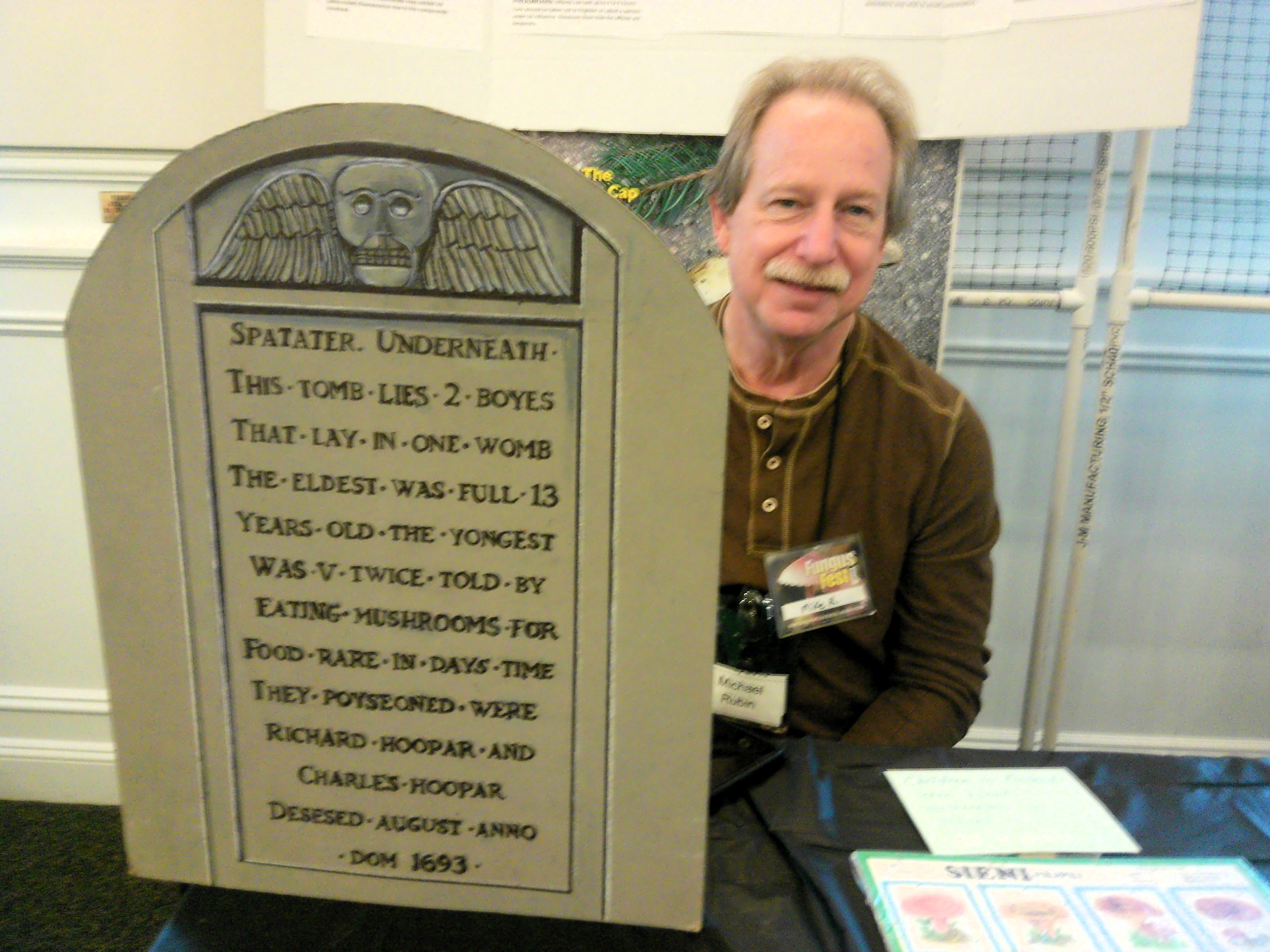
Toxicity is no joke when it comes to mushrooms. With an increased interest in foraging, beginning with the COVID-19 pandemic, mushroom poisonings have been on the rise. This cardboard replica of a real tombstone near Edison, New Jersey served as a good reminder to exercise extreme caution when consuming wild mushrooms.
Do not neglect to research poisonous look-alikes and make a positive identification before enjoying any potential edible mushroom. A spore-print is one trait that can help determine a species.
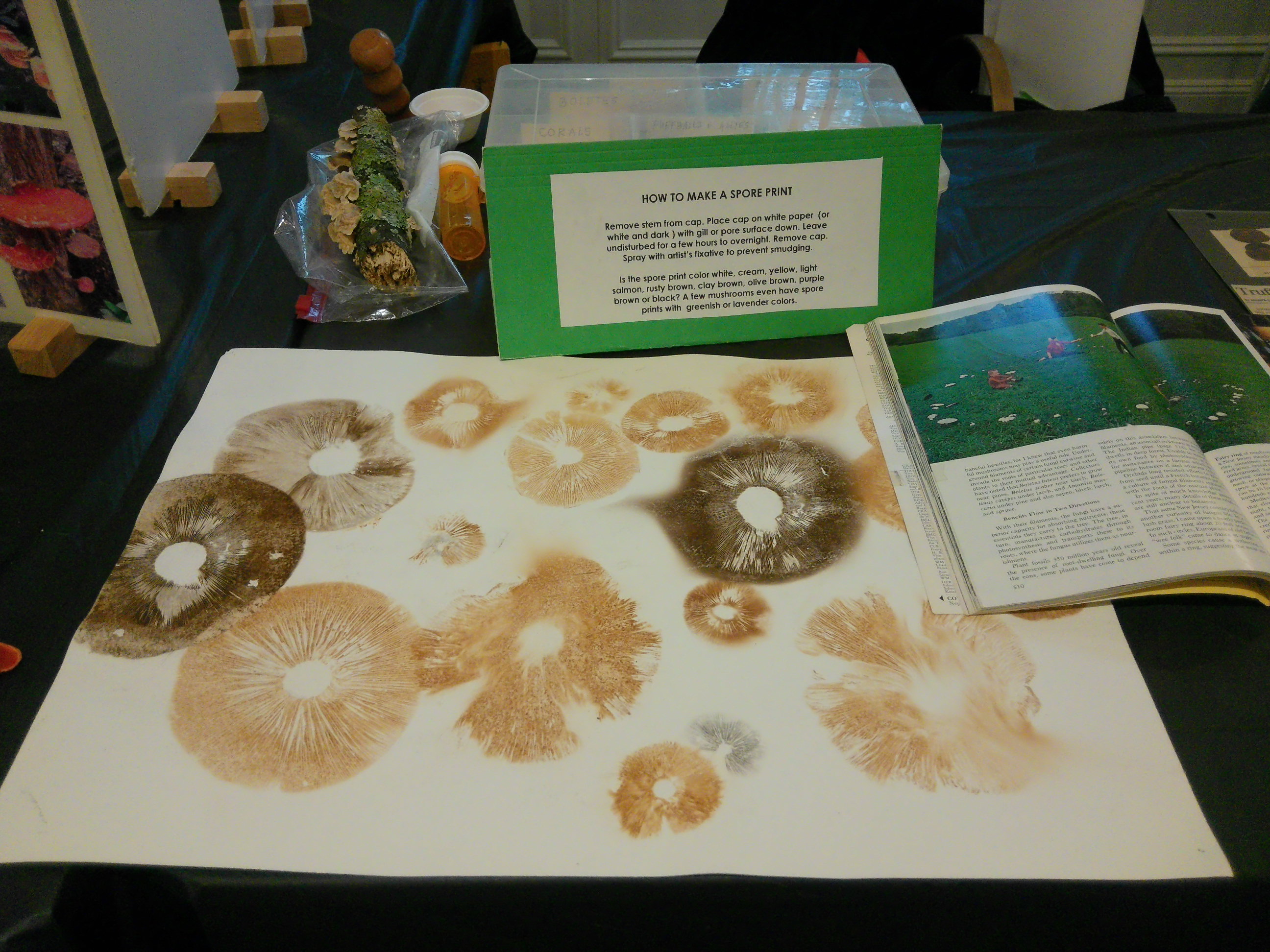
Spore prints can be obtained from fresh, gilled mushrooms and polypores. To make a spore print, remove the stem and place the cap on white paper. Since some mushrooms have white spores, you may also want to make an additional print on black paper. Place a drop of water on the cap to encourage the release of spores, and wait several hours before removing the cap.
The spore print can be used to help identify mushrooms, since each species has its characteristic spore color — ranging from dark browns, tans and greys to even lavender or green. You can preserve a beautiful spore print with a spray fixative, or use the spores from a desirable mushroom to cultivate more of them!
One mushroom cultivation workshop actually walked participants through that process. Ayesha Dolasa, from Noble Mushrooms, explained how mushroom cultures are created from spores and clones, an important step in the indoor cultivation of mushrooms. Cultures are used to prepare spawn, which can then be used to inoculate various substrates to produce culinary mushrooms.
In a later demonstration, Jose Calderon, from Hampton Mushrooms offered professional instruction on how to cultivate delicious shiitake mushrooms outdoors on hardwood logs.
Continuing on the culinary track, there were two cooking demonstrations, where participants could learn how to prepare specialty mushrooms — and also taste them! Cooking is important with all mushrooms, because it breaks down their chitinous cell walls to release nutrients and enable us to digest them.
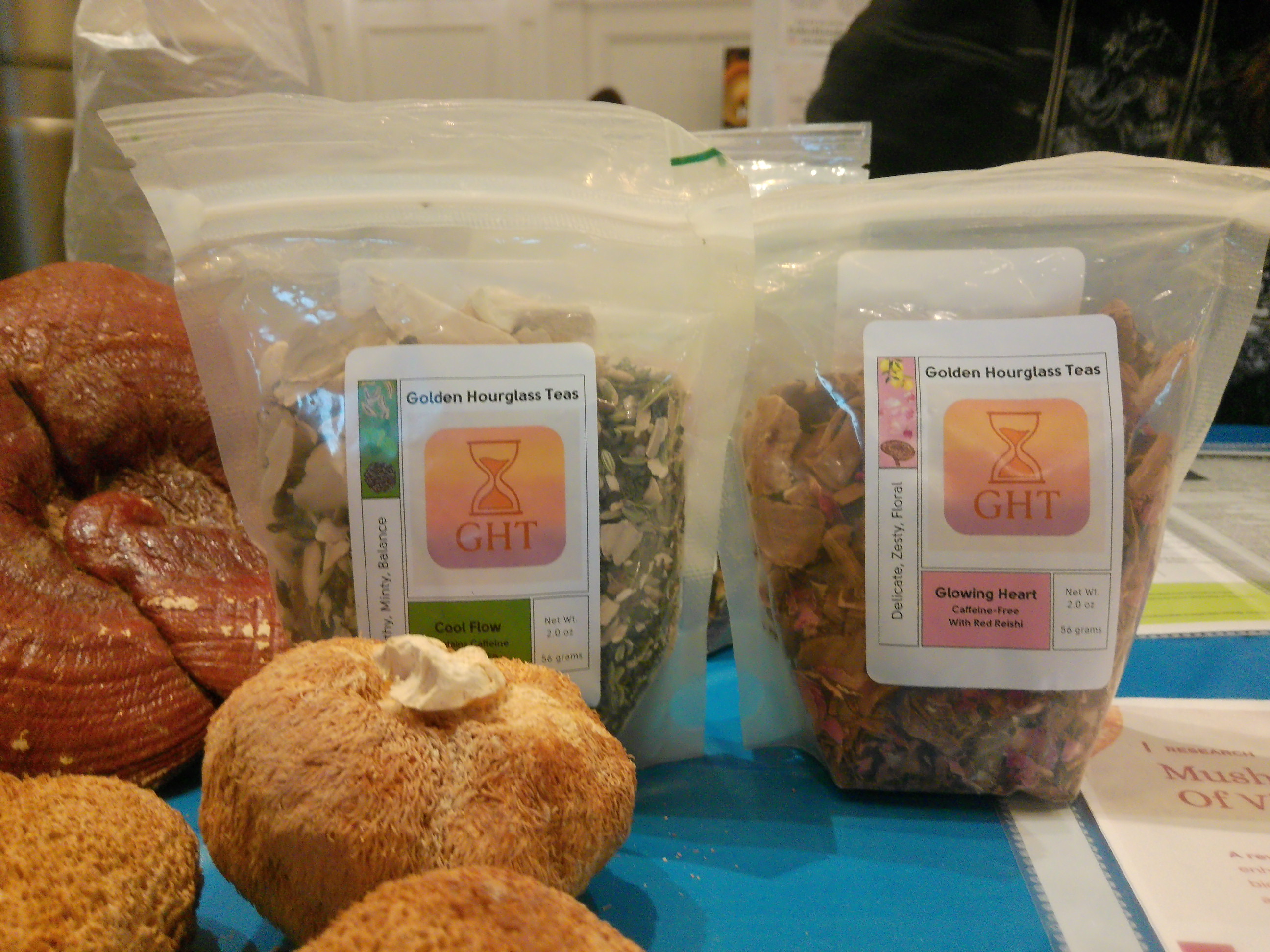
Another tasty treat came in cups. Golden Hourglass Tea Company offered samples of their signature blends, which feature medicinal mushrooms like reishi and lion’s mane. For those interested in the healing properties of mushrooms, there were many resources to explore.
In summary, it was impossible to leave the fest unimpressed. For a mere $10 fee, participants were exposed to splendid displays and first-hand experience, covering almost every mushroom topic you can imagine.
If you missed the event, find your fungal family at the NJMA. Active since 1971, NJMA is one of the largest mushroom clubs in the country. This non-profit organization is an amazing resource for mushroom lovers across New Jersey, into Pennsylvania and New York. A nominal fee allows access to educational lectures, fieldtrips, workshops, and more.
READ ALSO:
- Seasonal Eating for October, and Mushroom Hunting
- Taming the Brazen Rooster of the Woods
- Shrimp of the Woods – a Mysterious Mushroom With Untapped Utility