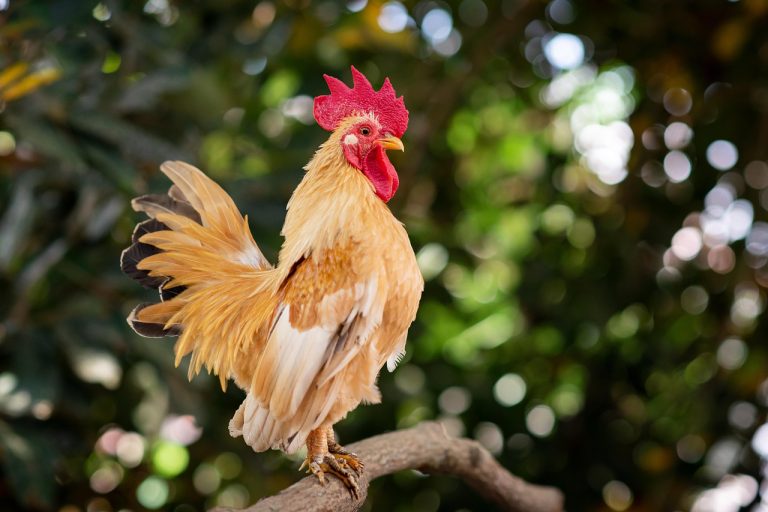
This story begins about 10 years ago, off our back deck. We had visitors, including my mom, who had come for the weekend. Gazing up the hill behind the house, she exclaimed, “There’s a chicken in the woods!”
We looked and saw what seemed indeed to be the tail of, not one, but many chickens. It was an extraordinary sight! Our delusion didn’t last long, however. Two by two, the tails rose into the air – not on wings, but on the heads of a small herd of deer that had apparently been resting.
Although what we saw all those years ago were deer’s ears, I now keep my own little flock of chickens up the hill. They are a happy lot, but for various reasons I don’t keep a rooster.
About five years ago, however, a certain rooster made our acquaintance. He pops up, seemingly out of nowhere throughout the summer months, then lays low until summer returns again. The elusive “rooster of the woods” is, of course, a mushroom!
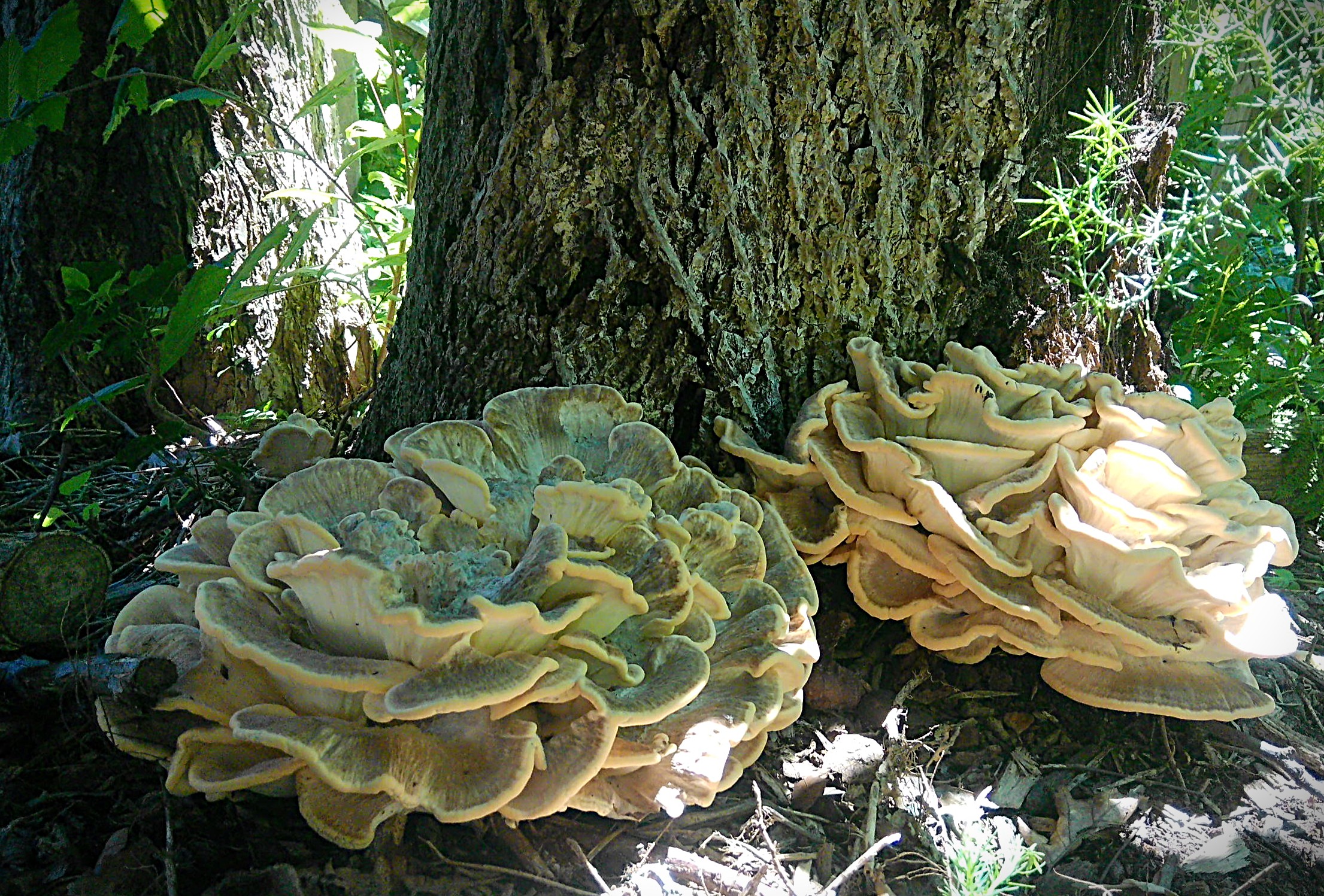
Rooster of the woods mushroom
Native to eastern North America, Meripilus sumstinei is a large polypore that grows in clumps around old stumps and the roots of dead hardwoods. It is similar in appearance to Grifola frondosa, a choice wild edible known as “hen of the woods” and hailing from the same family — Meripilaceae.
Success
You are now signed up for our newsletter
Success
Check your email to complete sign up
Rooster of the woods is bold and beautiful, a magnificent mushroom that will definitely catch your eye if you stumble across it. As you admire the gorgeous rosettes of thick velvety brackets in soft, creamy tones tinged with dusty grey, you may wonder whether this gem is edible. That’s affirmative — and outrageously tasty — but there’s a catch (or two).
The flesh of this mushroom can be every bit as tough as a stringy old rooster. Only the tips are actually tender. Luckily scarcity is rarely an issue with roosters, so you can sometimes still get several meals from one specimen. For good results, harvest the layered caps when they are about a quarter inch thick, as they become thinner and stringier with age.
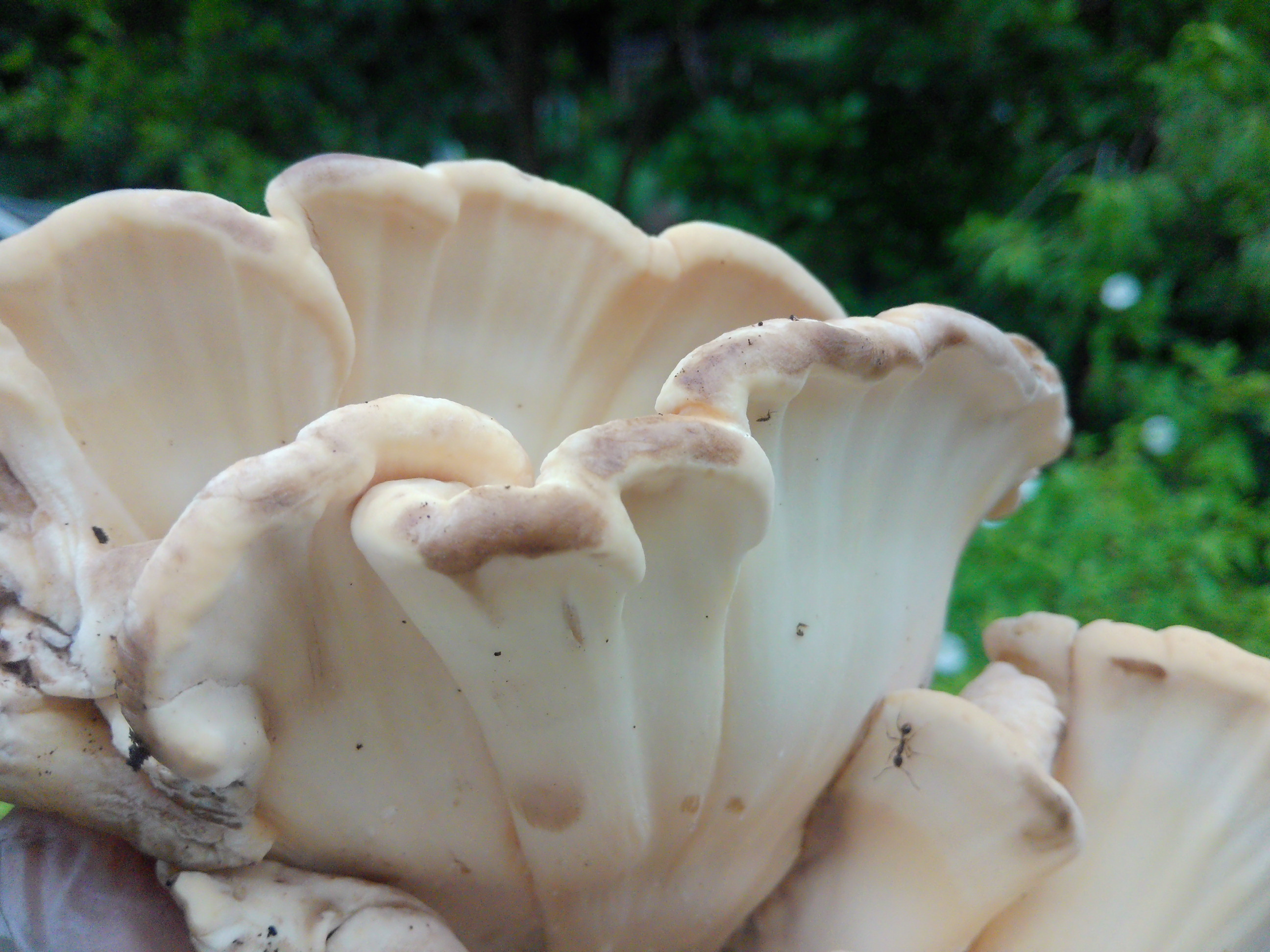
The other catch is that handling any quantity of rooster of the woods will turn your fingers black — good grounds for its more ominous title: “black staining polypore.”
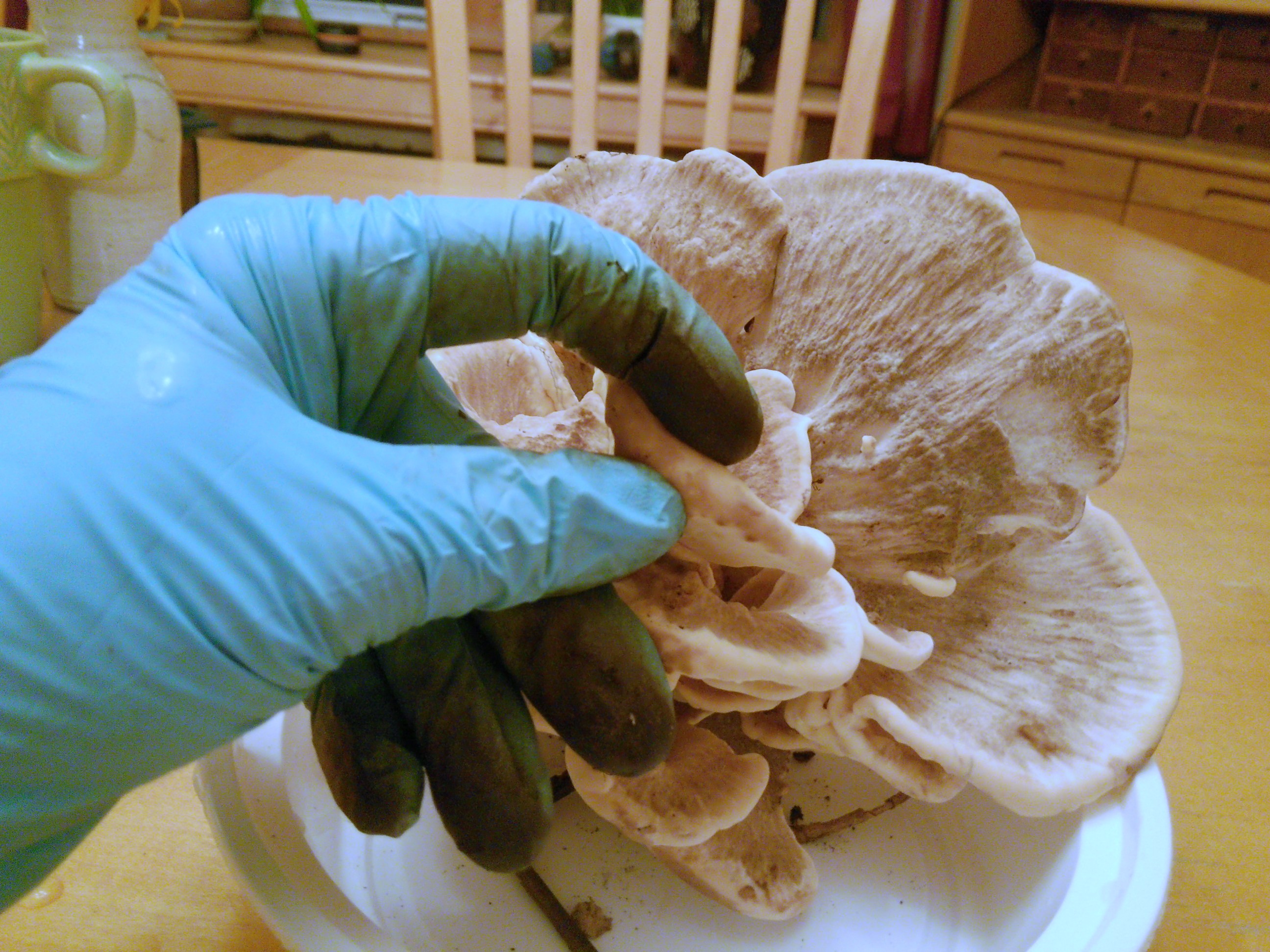
This is also a key point in identification. The mushroom will bruise dark when damaged or cut, and it turns black when cooked. The only other mushroom similar in appearance that does this is Meripilus giganteus, or “giant polypore,” the rooster’s European cousin.
There is one other look-alike called Berkeley’s polypore that grows here, but it does not bruise dark. Berkeley’s polypore is technically edible when young, but I would recommend sticking with the roosters.
Because of its dark countenance and tenacious character, rooster of the woods is not as highly regarded as it could be. But if you can push past these hurdles, you’ll be richly rewarded with a robust, meaty flavor — similar to steak.
Cooking with rooster of the woods
There are five simple steps to enjoying rooster of the woods.
- Wear gloves! Of course, this won’t affect the flavor of your meal, but it might upset your serenity to be wearing black-tainted finger tips for days. I like to hold the mushroom with a gloved hand, and cut the edges with the other. Kitchen scissors can make quick work of a big job.
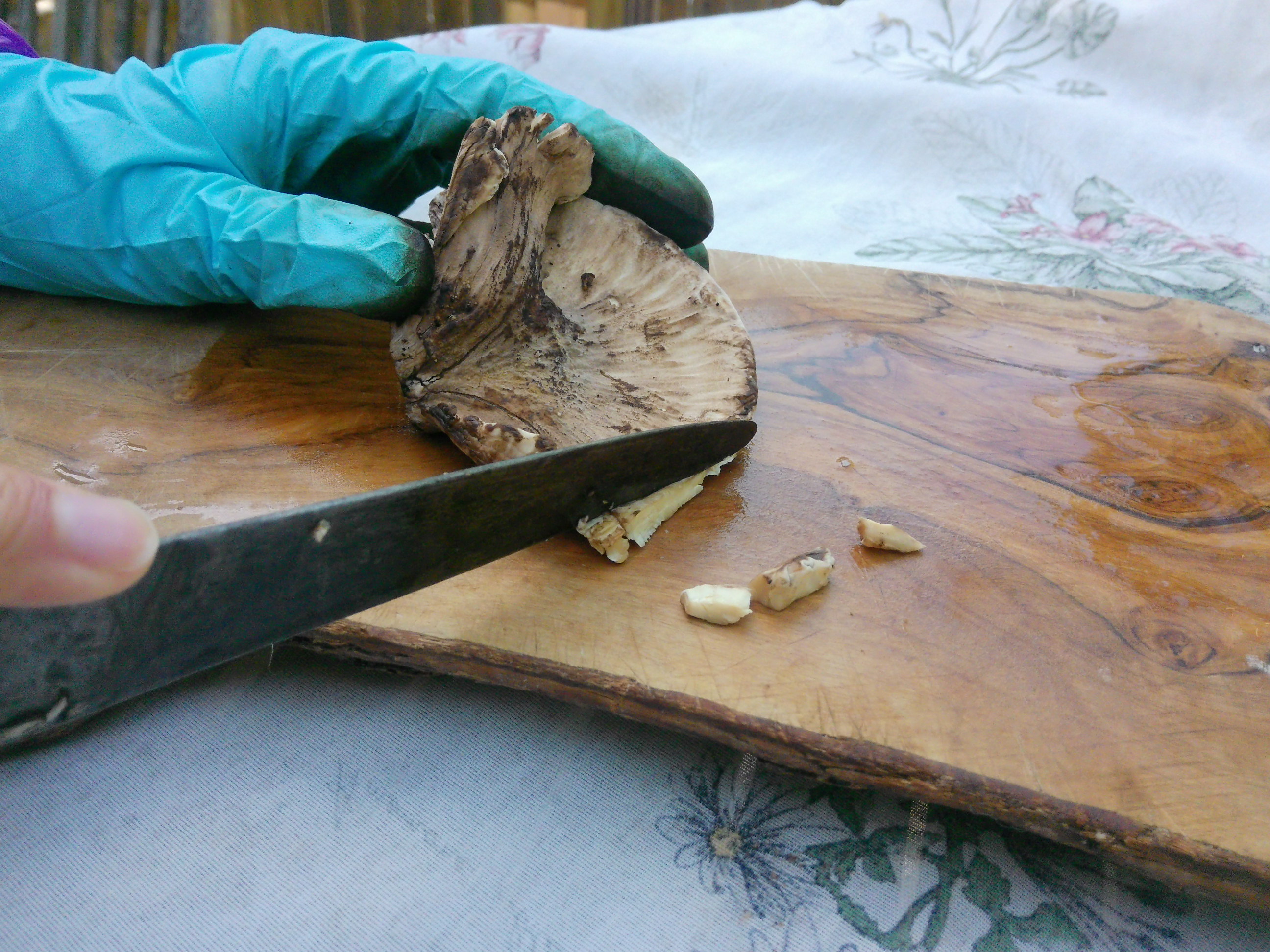
- Cut against the grain. Just like wood, the fibers go one way. If you cut along the grain your jaw will not thank you for a strenuous, fruitless workout. Instead, make thin cuts parallel to the edge of the mushroom. Then, if you venture a little beyond the tender, half-inch margin, it will just mean added texture — not unlike a chewy clam.
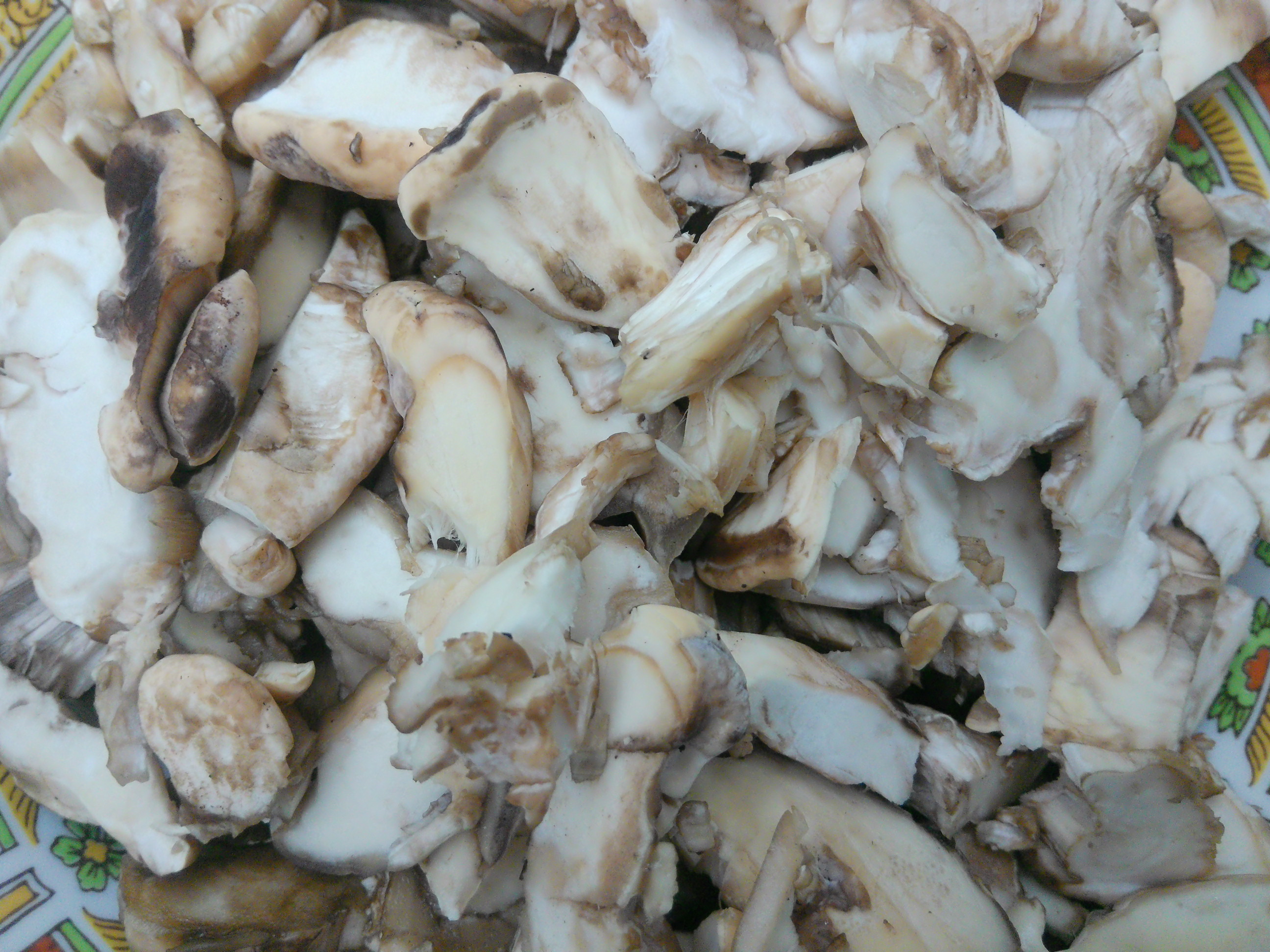
- While rooster of the woods does not seem to attract bugs, it is liable to collect organic debris. Instead of trying to wash the whole monstrous mushroom, collect your tender morsels into a colander and then give them a gentle rinse in cool water. Don’t worry – any water that gets absorbed by the mushroom will be cooked off in the next step.
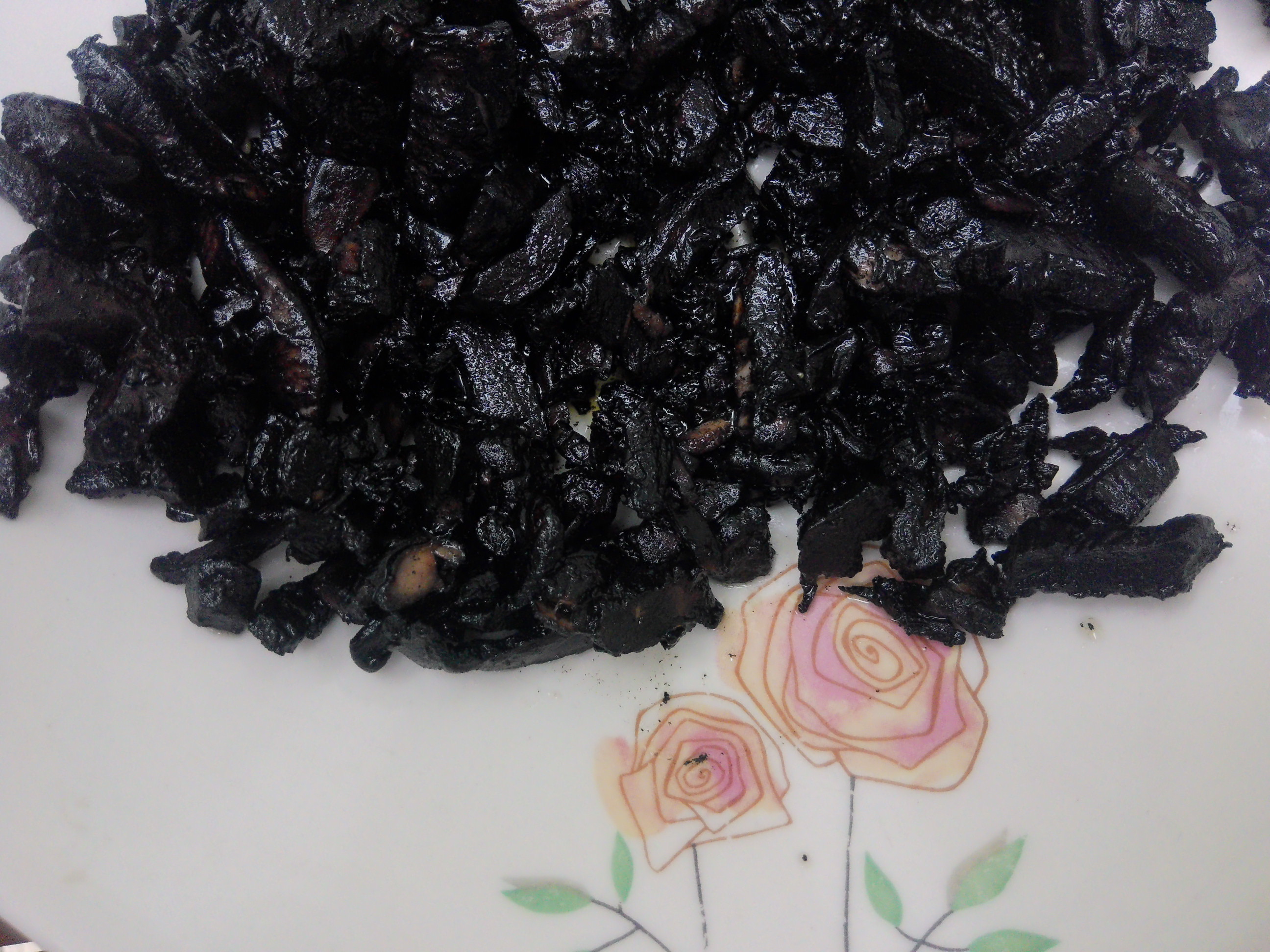
- To bring out the full flavor of rooster of the woods, dry sauté (without any oil) the trimmings over medium heat until the moisture cooks off. Then add a light coating of olive oil and salt to taste. Lower the temperature and stir occasionally, cooking until the flavor is developed to your liking. The blackened slivers can be used in any number of dishes.
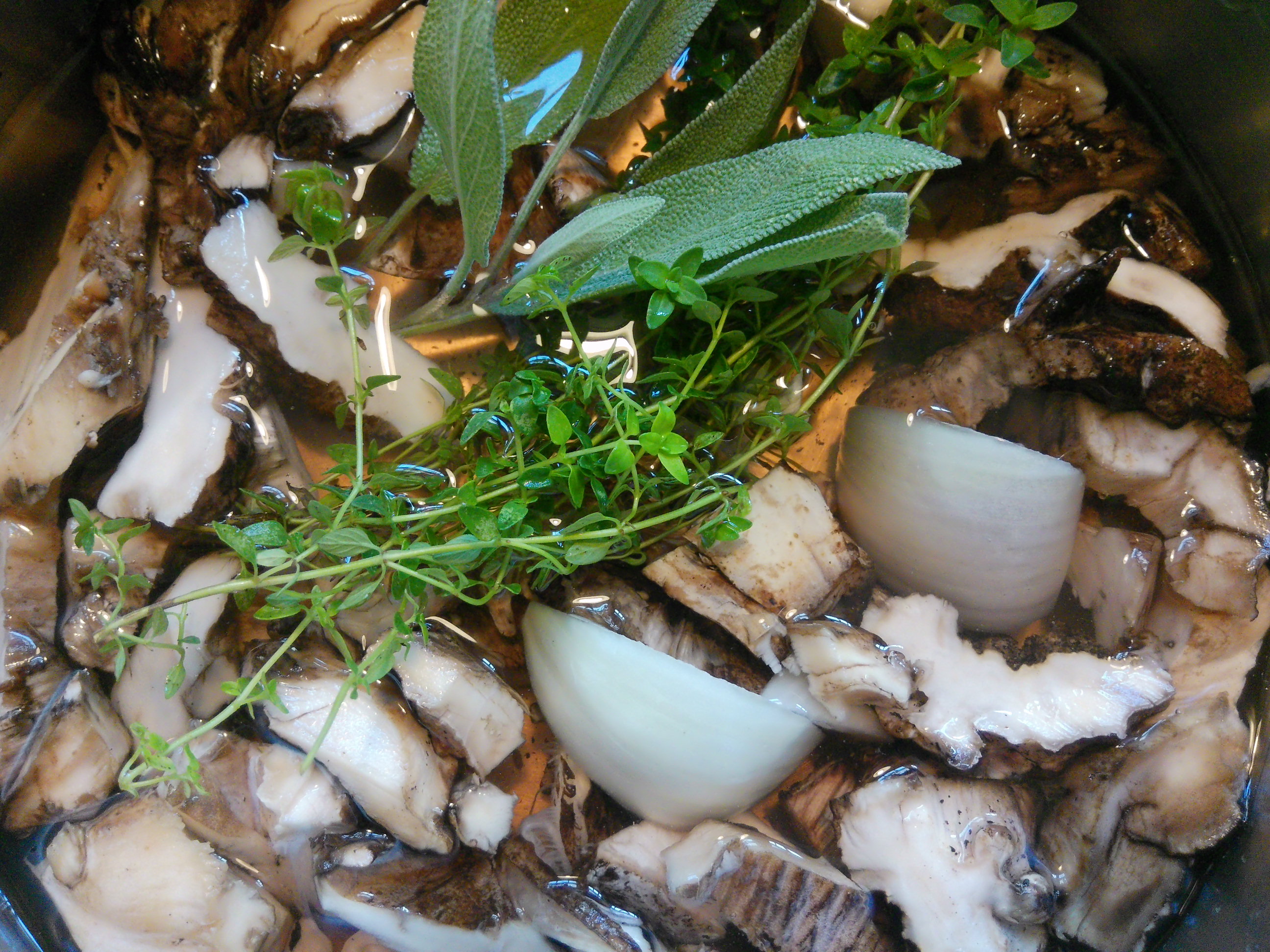
- Save the stumps for a savory stock! The bulk of this mushroom is too tough for our teeth, but the excellent flavor need not go to waste. Pare away the dirty parts and chop the rest into coarse chunks. Cover with water and simmer with herbs and onions to make an amazing faux beef broth. Extra stock can be kept in the freezer. Just cool it and put it in sensible containers that won’t break as the liquid expands.
Recipes
While most of us shy away from eating food that is black-as-night, this unique feature makes a striking visual contrast in simple dishes like pasta or rice. Rooster risotto, for instance, is a delicious way to showcase this mushroom in all its glory.
Rooster risotto

Ingredients
- 1 ½ cups Arborio rice
- 4 cups rooster-of-the-woods stock
- 2 Tbsp olive oil
- 2 Tbsp butter
- ½ cup cooking wine
- 1 cup milk
- 1 medium onion, chopped
- ½ cup prepared rooster slivers
- ½ cup grated Parmesan, Asiago or Romano cheese
Directions
- Sauté the onions in olive oil until translucent, then stir in the rice to coat with oil.
- Heat the rice for about a minute to bring out a nutty aroma, then add the cooking wine and stir.
- Before the liquid is completely absorbed, add a half cup of broth and stir often enough to keep it from sticking to the bottom. Continue to do this until the rice is nearly cooked.
- Stir in the milk and butter, lower the temperature a little and allow the rice to absorb all the liquid.
- Fold in the grated cheese and prepared mushrooms and serve warm.
Other ideas
- For a similar, simpler application, top your favorite pasta alfredo or mac and cheese with rooster of the woods.
- If you don’t care to capitalize on the bold color contrast, camouflage it in darker dishes like mushroom black bean burgers or wild rice pilaf. The flavor speaks for itself.
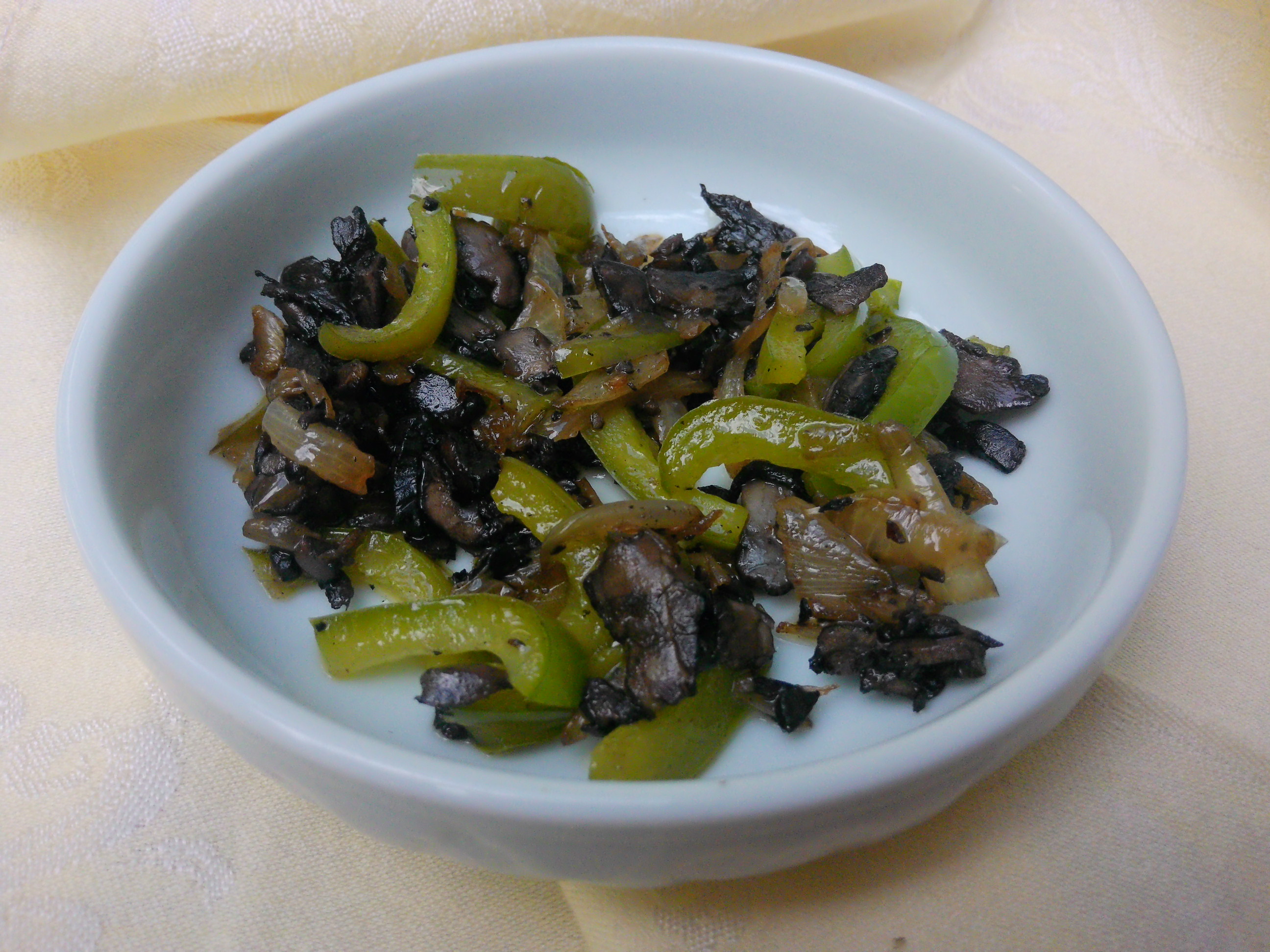
- Substitute rooster mushrooms in place of beef in stir fries and stews, or replace your breakfast bacon with crispy fried rooster mushrooms.
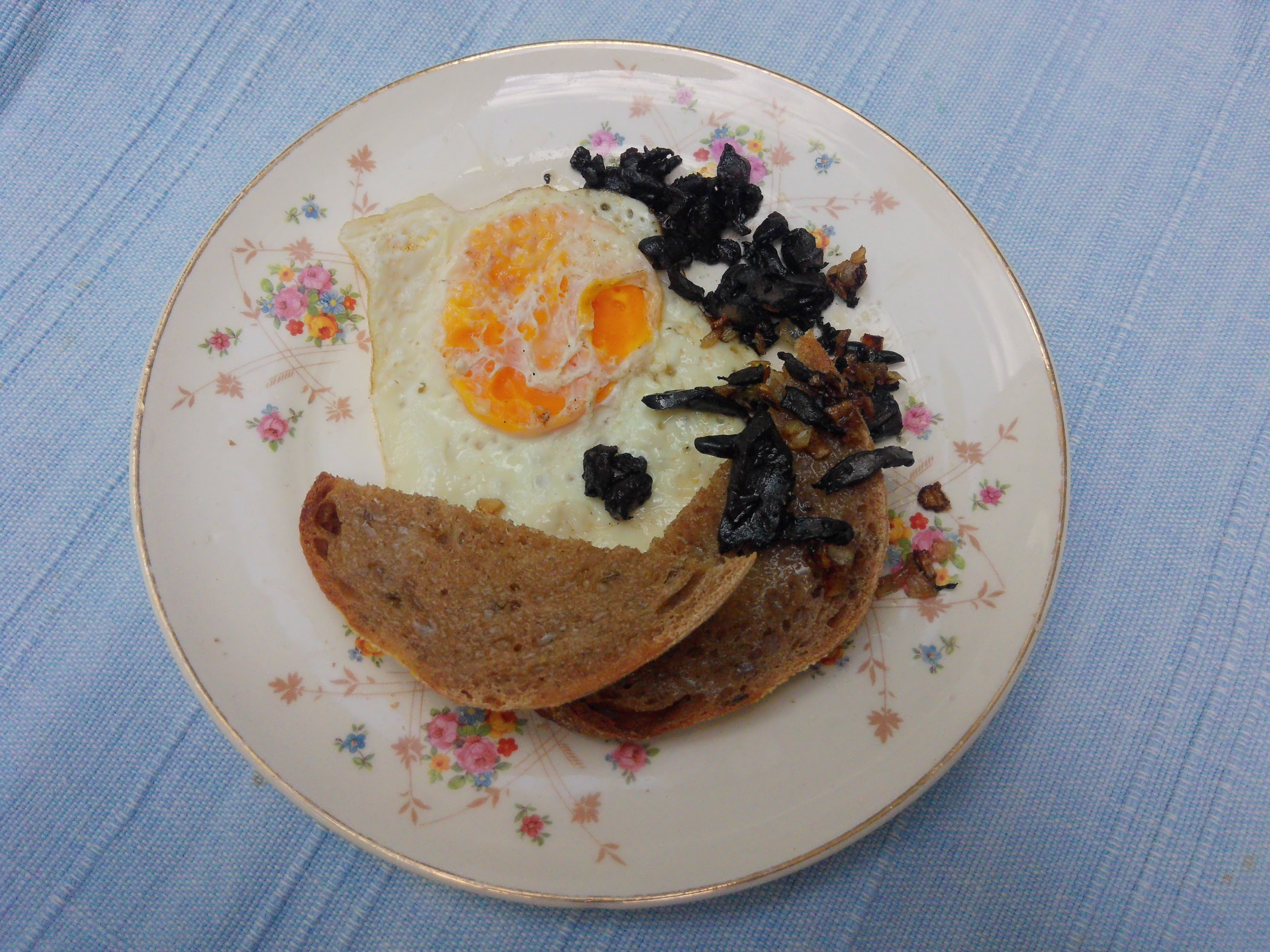
- Use the stock for a vegetarian version of French onion soup, or as a healthy replacement for your ramen noodle flavor packet.
- Use rooster of the woods in recipes like mushroom pate or marinated mushrooms.
So there you have it. Rooster of the woods may seem like a handful you’d be inclined to decline; but honestly, the extraordinary flavor of this mushroom more than makes up for any inconveniences.
There’s still some summer left, so be on the lookout. You are now prepared to tame this outrageous fungus.