As winter approaches, gardeners who’ve grown fond of their little green friends search for ways to help them survive the harsh weather to come. Although many plants will go dormant to protect themselves, others are in need of assistance.
Protecting your plants through the winter not only saves you the heartache of losing your favorite specimens, it can also save you a bundle of money for re-stocking next season. Here, I’ll talk about the typical situations where added protection is necessary, along with how to approach it.
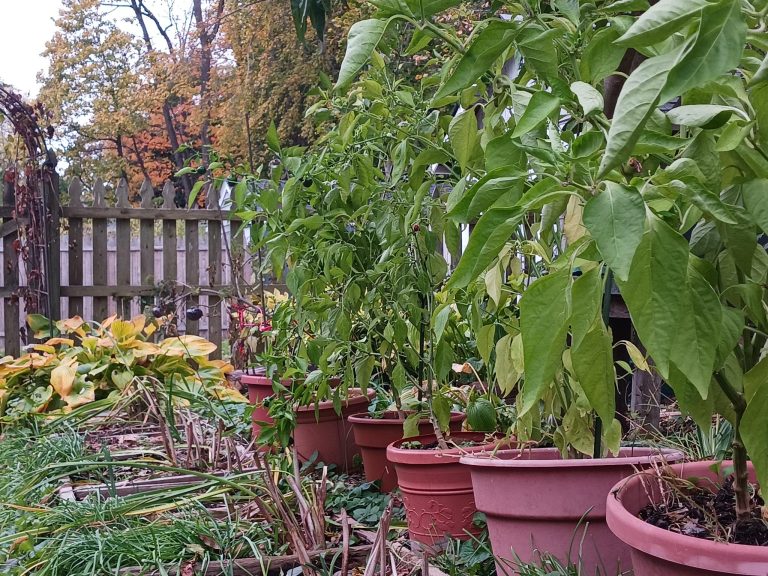
Overwintering potted plants
Growing plants in containers offers many benefits during the growing season — this makes it easier to tend to them, move them around, and protect them from critters — but come winter time, potted plants are at a decisive disadvantage. The roots, which need to survive for the plant to make it, are almost as exposed to the elements as the above-ground plant, which might die back and be no worse for the wear.
If you are familiar with plant hardiness zones, you can calculate two zones colder for your potted plants. This means that a plant which is normally tolerant of zone 6 winters will be facing the equivalent of a zone 4 winter in a pot.
What can be done? If you’re thinking ahead, you might reserve your pots for only your hardiest plants — those that are tolerant of winters at least two zones colder than yours; but who does that? Luckily there are practical solutions that don’t limit your plant palette.
Bury the pots
Success
You are now signed up for our newsletter
Success
Check your email to complete sign up
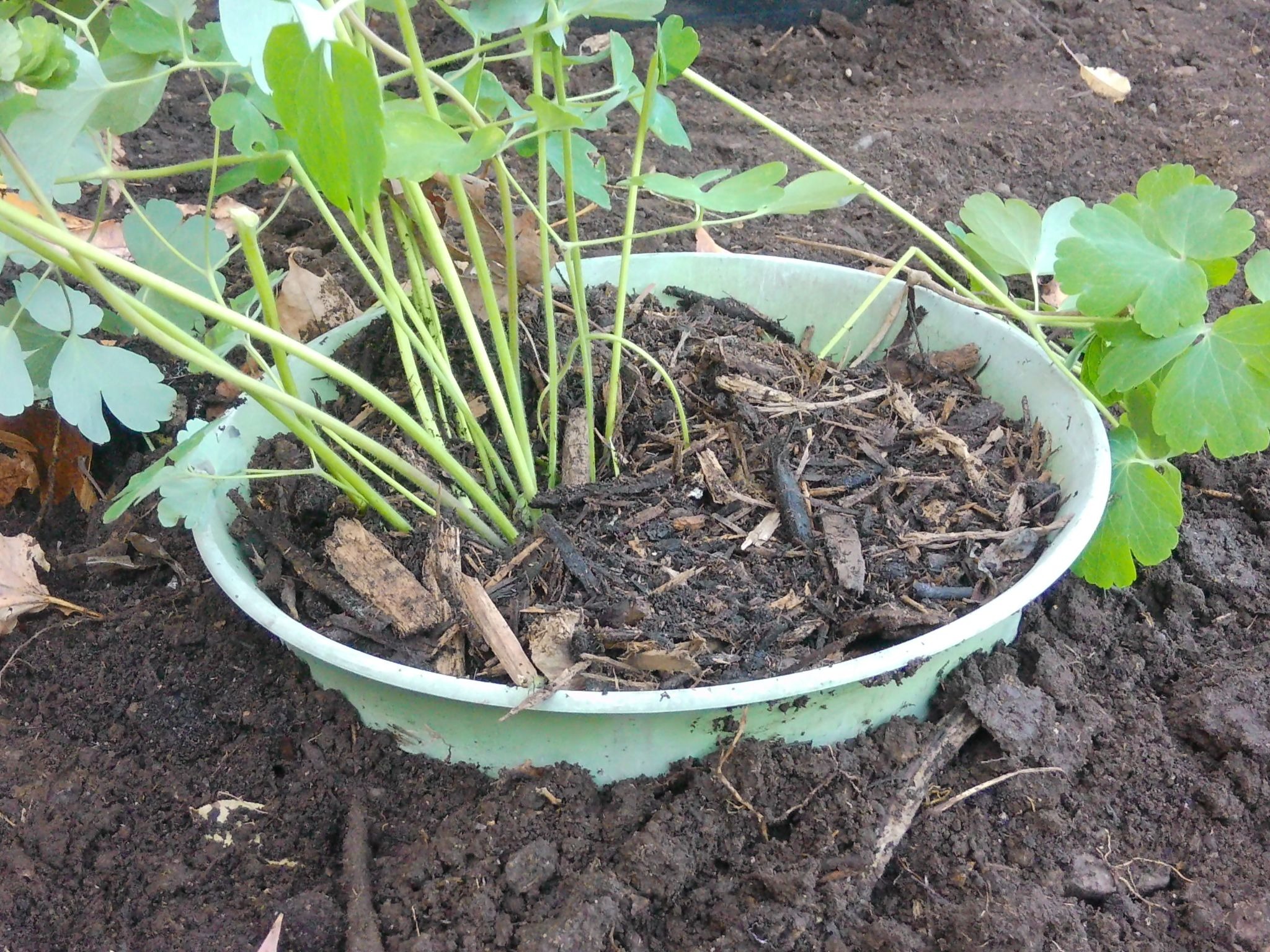
After your first frosts, but before the ground freezes, get your shovel and dig a big hole. If you have a vegetable garden, your annual summer producers will have died back by now, giving you ample room in your garden to plant container-grown plants in the ground, pots and all. You can place them all in the same hole and fill the soil back in around them.
This will provide the insulation necessary for protecting the roots without disturbing them. Continue to water sparingly until the ground freezes, and give them a layer of mulch for added protection.
Once the soil thaws in the spring, you can pull them back out; but don’t wait past the last frost date, or they might start setting roots into their winter bed.
Move them to shelter
If you don’t have access to earth for digging, you can gather your container-grown plants into a large, makeshift bin. Pack mulch or leaves around the pots, and another layer of protection around the bin, if possible.
Similarly, you can prevent root damage by moving potted plants to a sheltered location. Place pots up against a wall or structure to block the wind, and pile leaves or mulch on the exposed side. Alternatively, move them to an unheated garage, shed, greenhouse or coldframe.
Tender plants
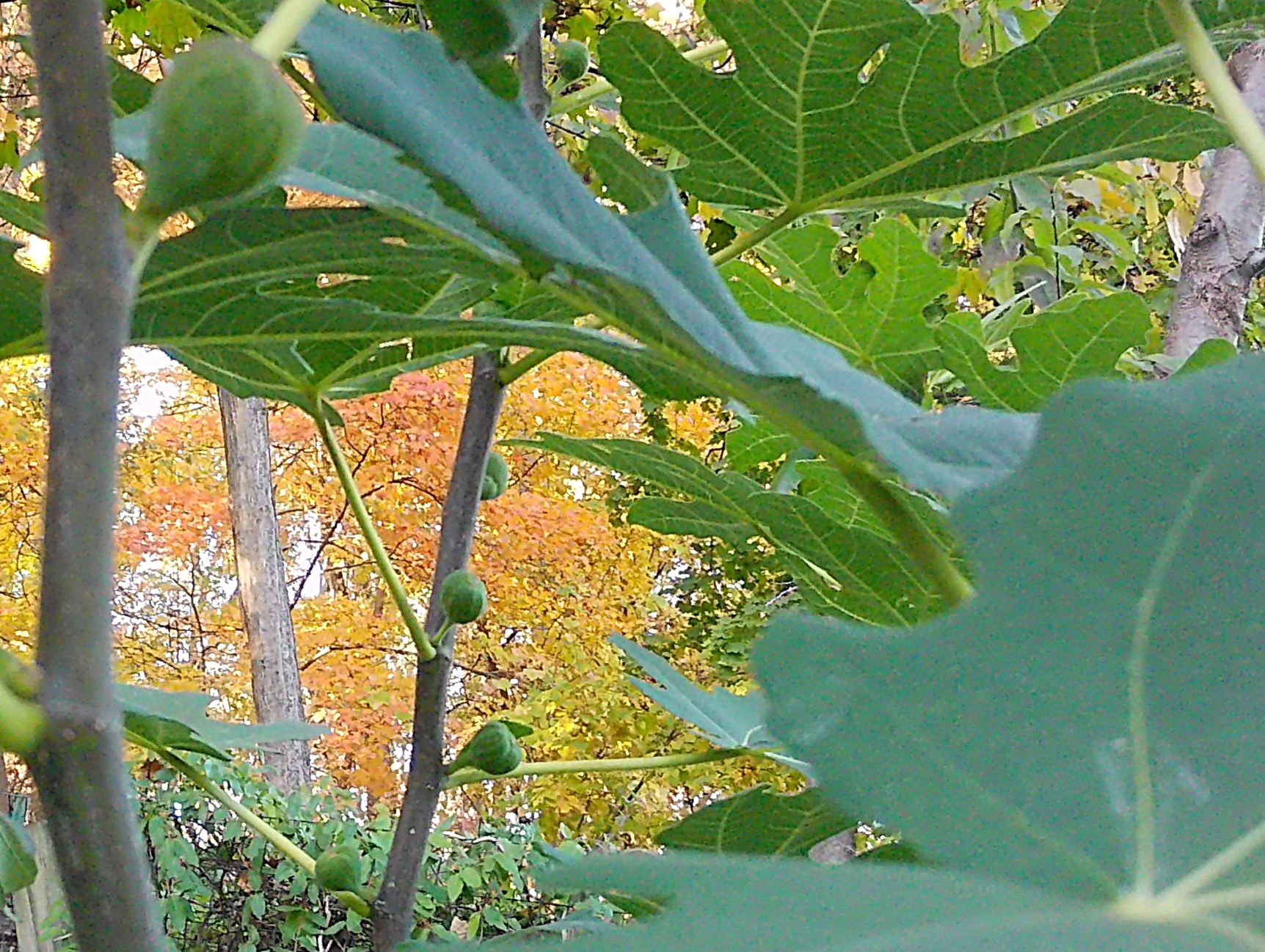
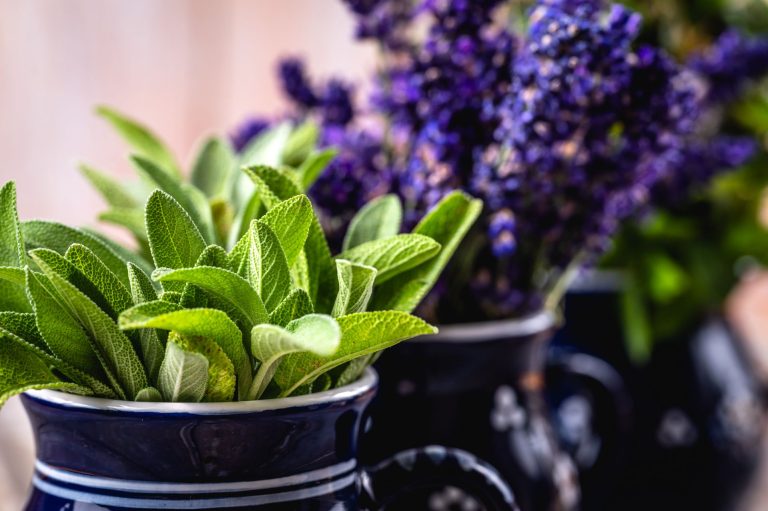
Even the plants we grow in the ground aren’t necessarily hardy. While a lot of these are considered annual, playing a one-season-only role in the garden, there are some that do fine with a little help through the winter. Aromatic herbs like lavender, thyme and rosemary come to mind.
Selective cutting back
To prevent tender new growth in unfavorable conditions, refrain from fertilizing late in the season. For the same reason, avoid unnecessary pruning. Gradually reduce watering as it gets colder, and do some selective trimming of woody plants.
A compact plant will conserve energy and suffer less loss from cold damage; so remove any wayward branches, but keep most of the plant intact. Herbaceous herbs like chives, lovage and tarragon can be cut back to a few inches above ground.
Be sure to dry your herb cuttings for continued use in the kitchen!
Mulch
A thick layer of mulch can do much to protect roots from the dangerous freeze-thaw pattern that bare soil is subjected to. Wait until you’ve had a couple of hard frosts, then apply 2 to 4 inches of shredded leaves, straw, pine needles, wood chip mulch or bark mulch to maintain a more stable temperature and moisture level through the winter.
Wrap
Semi-hardy herbs such as rosemary, sage and thyme can benefit from wrapping in areas with harsh winters. To avoid moisture-related problems like mold and rot, create a small cage around the plant with wire fencing, then wrap the cage with a layer of burlap, or other breathable material. Do not use plastic, as that will trap unwanted moisture.
Some broadleaf evergreen shrubs, and especially fig trees, also benefit from wrapping.
Overwintering Houseplants
While many of our houseplants enjoy spending the summer outdoors, overwintering isn’t as easy as just moving them back indoors. On the one hand, they may have completely outgrown the indoor space allotted to them, so you’ll need to consider space limitations. On the other hand, they may have picked up some unwanted guests, whom you will want to evict before bringing the plants into your home.
Size control
If you (or your spouse) prefer not to live in a jungle, you will want to reduce many of your summer-loving houseplants before reentry.
- Some, like ferns, can be divided. Repot the right-size portion and give the rest away or compost it.
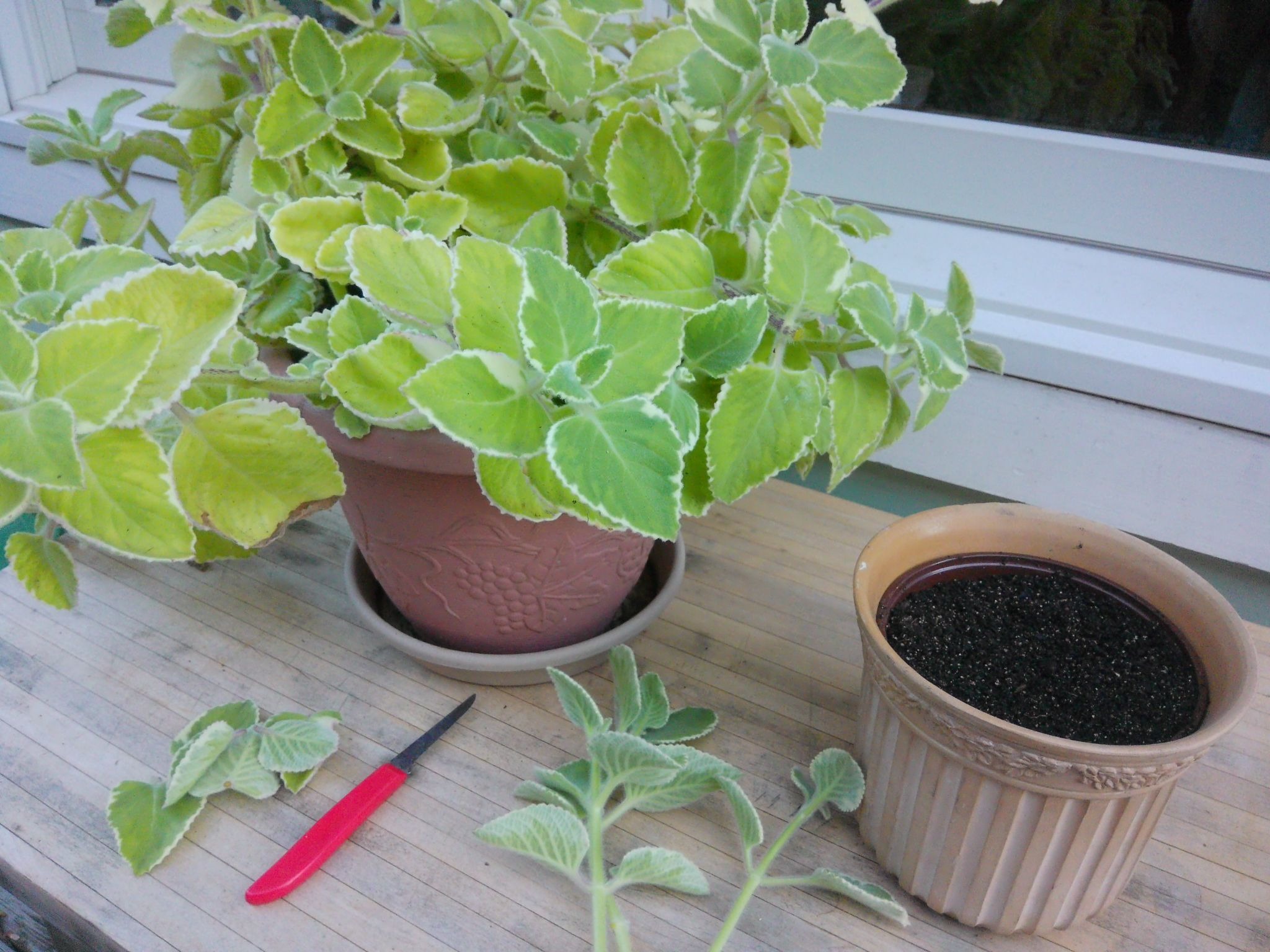
- Propagate smaller plants from cuttings with fast-growers like spider plant, Cuban, oregano and Swedish ivy. Just stick a few stems in a pot of moist soil and cover lightly until rooted.
- Geraniums can be pruned back to about 8 inches and placed in a cool location. Reduce water to support winter dormancy.
Pest control
For each potted plant that is coming inside, clear away any dead leaves or other organic debris that could be harboring pests.
- Check the bottom of the pot to make sure it isn’t housing a colony of ants. If it is, no worries. Ants generally don’t harm your plants, and they are adept at relocating. Simply repot the plant with fresh potting soil, leaving the ants behind.
- Spread a layer of sand on the soil surface of your indoor/outdoor houseplants to prevent the spread of fungus gnats, a common pest that breeds in the top layer of moist soil.
- If you’re concerned about other pests, like aphids or mealy bugs, you can immerse the entire plant in a mild solution of insecticidal soap for 15 to 20 minutes. Rinse the plant and allow the pot to drain thoroughly before bringing it indoors.
Overwintering annuals
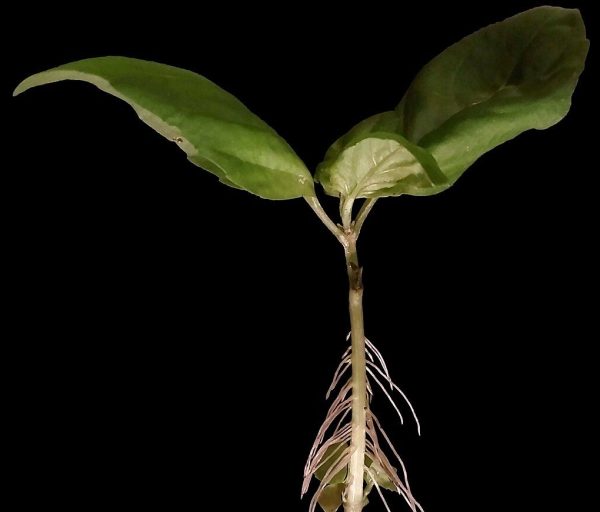
While annuals are normally considered expendable, it is possible to extend their life if you have a little extra room indoors. Some of our favorite warm-weather plants — like peppers, tomatoes, and basil — take a long time to get started in the spring; but you can get a big head-start if you keep stem cuttings alive over the winter.
Select healthy, 4- to 5-inch cuttings and remove the lower leaves. They should all start readily in water, as long as the water is kept fresh. Change the water every couple days until roots develop. Transfer well-rooted cuttings to small pots of moist potting soil, and keep the young plants in a warm, sunny spot. New growth can be trimmed periodically to make even more cuttings. Wait until all danger of frost is over before planting outdoors.