A shooting near the White House in Washington D.C. has rocked the nation. Two National Guard members were attacked—Sarah Beckstrom was killed, and Andrew Wolfe remains in critical condition. The suspect, Rahmanullah Lakanwal, is Afghan and entered the U.S. in 2021 during the Biden administration’s Afghanistan evacuation.
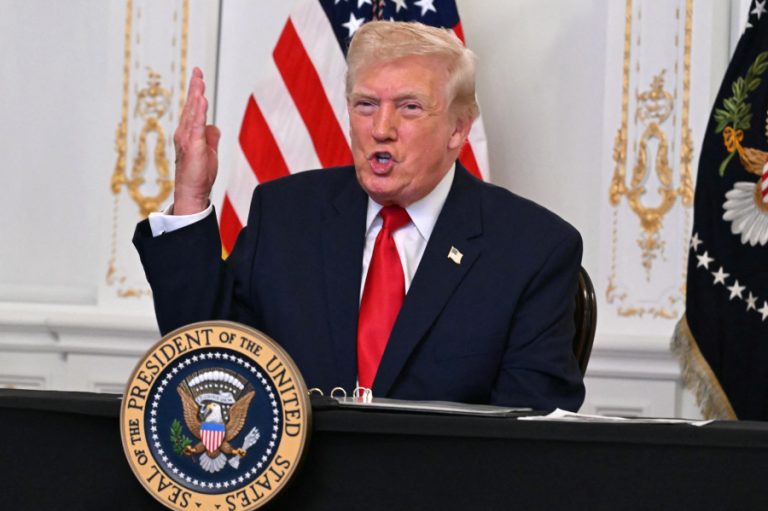
The CIA noted that Lakanwal had previously worked with U.S.-backed military units, however his involvement in the attack has raised concerns over gaps in the immigration system. Following the incident, former President Donald Trump emphasized that the tragedy highlights the need for stricter control of entrants to protect national security and social order.
Within 24 hours of the attack, the Trump administration announced:
- Suspension of processing Afghan-related immigration applications.
- A comprehensive Department of Homeland Security review of asylum cases approved under the Biden administration.
- Case-by-case review of green cards for individuals from “countries of concern,” initiated by USCIS Director Joseph Edlow.
These measures demonstrate the Trump administration’s efforts to address systemic security vulnerabilities.
Trump proposes stronger immigration policies
Trump, in a late-night Thanksgiving post, called for a “permanent pause on immigration from so-called Third World countries,” emphasizing that the U.S. must first restore its immigration system to a manageable state. He also advocated “reverse migration” to relieve the accumulated pressures on the system.
Success
You are now signed up for our newsletter
Success
Check your email to complete sign up
Trump outlined plans to:
- Terminate certain federal benefits for non-citizens.
- Remove cases considered “net negatives” to the U.S.
- Reassess entry records posing potential security risks.
- Consider revoking citizenship for immigrants who severely threaten domestic security.
He also noted that parts of Minnesota are under strain due to large Somali immigrant populations, prompting a review of policies such as the Temporary Protected Status (TPS) policy to determine whether they still serve the national interest.
Supporters argue that Trump’s rhetoric, while strong, directly addresses long-ignored systemic problems; critics say it is too harsh. However, amid heightened national security concerns, some view his approach as strengthening national protection.
Border and immigration policy debate continues
Trump’s first-term travel ban faced procedural protests but was ultimately upheld by the Supreme Court in a 5–4 decision. His second-term immigration proposals may face legal challenges again, but he insists on enforcing stricter reviews within legal frameworks to ensure that “America decides who can come and who can stay.”
While the term “Third World countries” is controversial, Trump uses it to underscore national security priorities rather than academic definitions. He argues that the U.S. must ensure the immigration system does not create risks due to lax oversight.
The Council on American-Islamic Relations (CAIR) has urged people to avoid emotional rhetoric but acknowledged the need to review individual cases—partly overlapping with Trump’s emphasis on stronger systemic oversight.