By Gao Yun
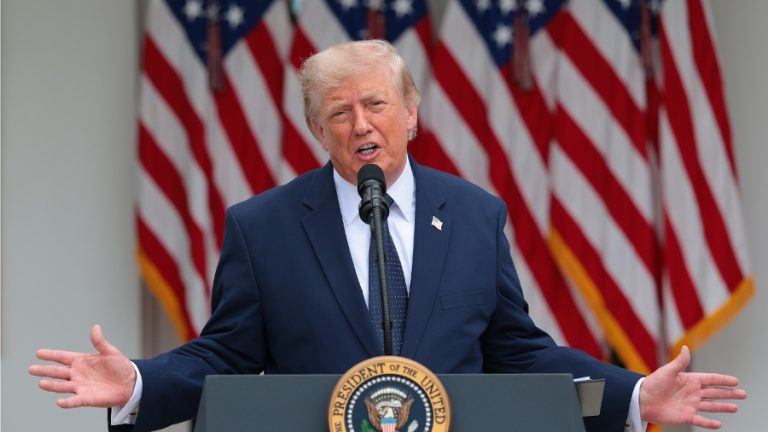
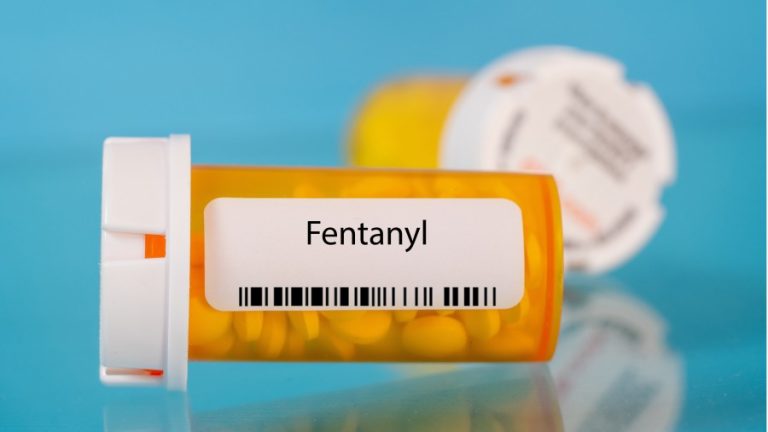
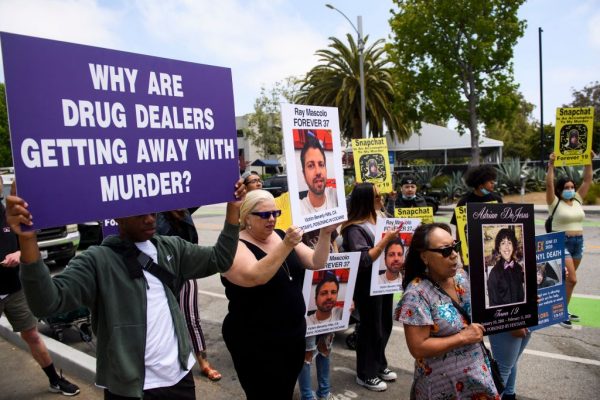
U.S. President Donald Trump on Monday signed an executive order formally designating fentanyl as a “weapon of mass destruction,” significantly expanding the federal government’s authority to combat the synthetic opioid responsible for tens of thousands of overdose deaths each year in the United States.
The executive order states that the threat posed by fentanyl more closely resembles that of a chemical weapon than a conventional narcotic and therefore constitutes a serious national security risk.
Speaking in the Oval Office, Trump said the move was aimed at protecting Americans from the deadly influx of fentanyl into the country.
“Today, I am taking another step to protect the American people from the devastation caused by the flood of lethal fentanyl into our nation,” Trump said. “As President of the United States, my highest duty is to defend our country and its citizens.”
Success
You are now signed up for our newsletter
Success
Check your email to complete sign up
“By signing this historic executive order today,” he added, “we are officially designating fentanyl as a weapon of mass destruction—because that is exactly what it is.”
National security framing of the fentanyl crisis
The order highlights fentanyl’s extreme potency, noting that a lethal dose can be as small as two milligrams—roughly equivalent to the weight of 10 to 15 grains of salt.
It further argues that drug trafficking organizations supplying fentanyl to the United States are fueling widespread lawlessness across the Western Hemisphere and providing financial support for overseas assassinations, terrorist activity, and insurgent operations. The order also warns that fentanyl carries the potential to be weaponized in “centralized, large-scale terrorist attacks.”
White House Press Secretary Karoline Leavitt wrote on X that the move represents another major step in Trump’s campaign against fentanyl.
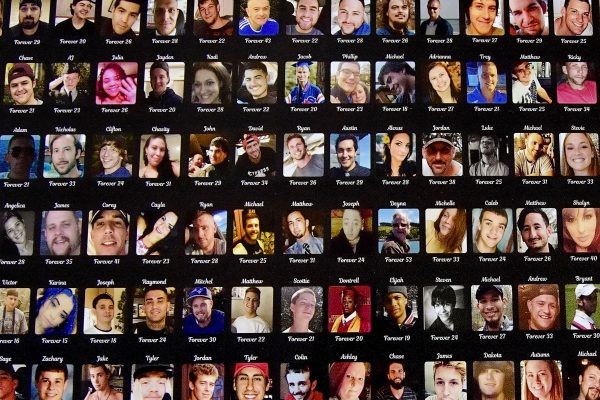
“This is another critical action by President Trump in the fight against fentanyl, taken on behalf of every American family that has lost a loved one to this deadly poison,” she said.
Expanded enforcement and intelligence powers
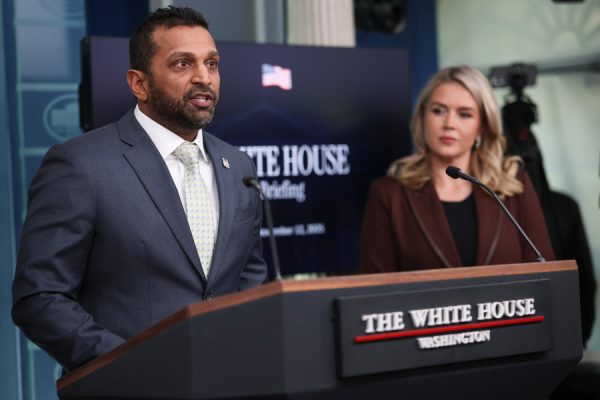
Administration officials said that designating fentanyl as a weapon of mass destruction allows the federal government to deploy more aggressive investigative tools, enhance interagency coordination, and apply greater international pressure on drug trafficking networks and their financial backers.
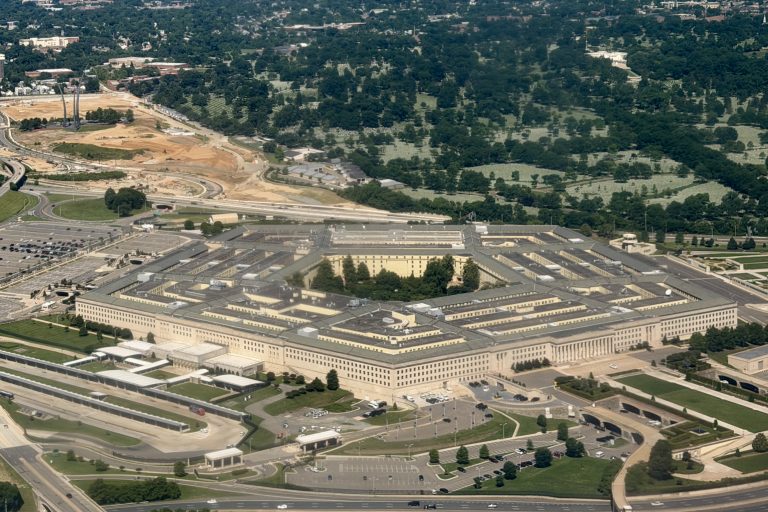
In specific circumstances, the designation authorizes the Department of Defense to assist civilian law enforcement agencies and permits U.S. intelligence services to use surveillance and analytical capabilities typically reserved for countering the proliferation of weapons of mass destruction.
Officials described the move as marking a new phase in the U.S. government’s overall strategy to address the fentanyl crisis.
Broader regional and foreign policy implications
Earlier this year, the Trump administration designated several drug cartels as foreign terrorist organizations, laying the groundwork for tougher countermeasures. Since early September, U.S. authorities have carried out multiple maritime interdiction missions in the Caribbean and Pacific targeting vessels suspected of drug trafficking.
Trump has repeatedly stated that he does not rule out taking further action against transnational drug operations in Venezuela, Colombia, and Mexico.
A comprehensive strategy document released by the administration last week identified the reassertion of U.S. leadership in the Western Hemisphere as a central foreign policy priority.
U.S. officials have said that Mexico is one of the primary sources of illicit fentanyl entering the United States, while some of the chemical precursors used to manufacture the drug originate in China. Fentanyl has become one of the leading causes of drug overdose deaths in the United States.