
By Vision Times TV
As fighting between Thailand and Cambodia continues, an unexpected party has found itself thrust into the spotlight: The Chinese Communist Party (CCP). Though both Thailand and Cambodia have traditionally maintained close ties with Beijing, the recent clashes have produced a dramatic and unforeseen outcome.
During Thai military operations targeting Cambodian border areas, a network of casinos and telecom fraud compounds, widely believed to have Chinese financial backing, was bombed. In the process, what critics describe as a CCP-linked “human industry chain” embedded in Southeast Asia under the faltering Belt and Road Initiative was suddenly exposed.
The conflict began on Dec. 7, when intense hostilities broke out between Thai and Cambodian forces. The Thai military carried out repeated airstrikes on casino complexes and telecommunications scam centers inside Cambodia. Thai officials stated that these sites were being used as command hubs, weapons depots, and drone bases.
RELATED: China’s Surge in Teen ‘Brain Death’ Cases Renews Fears of Live Organ Harvesting
Success
You are now signed up for our newsletter
Success
Check your email to complete sign up
However, many of the targeted facilities, particularly the telecom fraud parks, are widely reported to have Chinese investment or backing. As a result, although Thailand did not explicitly frame the strikes as aimed at Beijing, the attacks effectively struck at infrastructure tied to what critics say is a CCP-supported criminal ecosystem operating across Southeast Asia.
A shocking revelation
The fallout did not stop there. Shortly after the strikes, a key entity tied to this alleged network — the Cambodia Life Sciences Institute — released a list of its cooperating institutions. The timing drew immediate attention. The list reportedly included numerous Chinese hospitals and research organizations, igniting intense public reaction online.
Observers described this disclosure as “more devastating than Thai artillery fire” for Beijing, as it shifted scrutiny from military conflict to alleged biomedical and human trafficking links.
Speculation about Phnom Penh’s motive quickly followed. Some analysts suggested Cambodia was signaling to Beijing: “If we are hit, you cannot stand aside.” Others saw it as an attempt to force China’s hand by dragging it directly into the controversy.
Regardless of intent, the impact was explosive. Chinese social media users flooded the official Weibo account of the Thai Embassy in China, thanking the Thai government for eliminating what they called the “telecom fraud cancer” and praising Thailand as a “true Eastern power.” Meanwhile, others rushed to circulate screenshots of the Cambodian institute’s list of Chinese partner hospitals and laboratories.
A closer look at Cambodia’s ‘Life Sciences Institute’
The name sounds authoritative and high-tech. The branding appears legitimate. But critics say the reality behind the Cambodia Life Sciences Institute is far darker.
Public information indicates that dozens of Chinese-operated telecom fraud compounds are scattered along the Myanmar–Cambodia border near Thailand. These facilities have long been linked by activists to Chinese elites and to Belt and Road–related capital flows.
Previously, attention focused on Myanmar’s Myawaddy KK Park. More recently, scrutiny has shifted to Cambodia, where the Life Sciences Institute is described by whistleblowers as even more disturbing. Activists stress that these facilities are not genuinely Cambodian or Burmese enterprises. Rather, they allege that they operate with Chinese backing, Chinese capital, and Chinese political protection.
In November 2025, a Southeast Asian Chinese-language anti-fraud blogger, who claimed to have worked undercover inside scam compounds, released detailed allegations about the institute.
Claims of fraud, forced surrogacy, and ‘human materials’
According to the blogger, the Life Sciences Institute is located within a telecom fraud park controlled by Cambodia’s Prince Group. The group’s founder, Chen Zhi, is Cambodian by nationality but ethnically Chinese, and has been publicly accused of maintaining close ties to the CCP and acting as a “white glove” for elite families.
The blogger alleged that women trafficked into these compounds were forced to perform two tasks simultaneously: Conducting online fraud operations and acting as surrogates through IVF procedures. Each woman was allegedly forced to carry two to three embryos at once. The reason, the blogger said, is tied to what he called a “piglet industry chain,” a term used to describe babies produced for sale.
“One ‘piglet’ can sell for around 3 million yuan,” said the whistleblower. “Three at once is about 9 million.” According to the account, infants were sold to biotechnology facilities for extraction of biological materials.
Allegations of stem cell extraction from infants
The blogger further claimed that bone marrow was extracted from infants at around six months of age: “A small drill is used to bore into the spine, and a needle extracts the bone marrow.” He also alleged the marrow was processed into hematopoietic stem cells containing growth factors, which are then used in so-called “anti-aging” treatments.
The infants were reportedly kept in glass enclosures “like lab mice,” only removed briefly during cleaning. “These allegations are beyond horrifying,” the blogger said, adding that this medical facilities were treating the human body “like raw material,” in which to extract from.
He added that many telecom fraud parks are now pivoting toward “biotechnology” as online scams become harder to operate under growing scrutiny. Women aged 16 to 50 were described as targets. Facilities allegedly include:
- “Bone marrow extraction centers”
- “Human reproduction centers”
- “Waste material processing centers”
Chinese hospitals named as partners
What shocked observers most was not just the allegations, but the institutions allegedly linked to them. Circulating online was a list published by the Cambodia Life Sciences Institute naming partner organizations. The list included:
- Xiangya Hospital and Xiangya Second Hospital (Central South University)
- Hunan Normal University
- Wuhan Institute of Virology (Chinese Academy of Sciences)
- Huazhong University of Science and Technology
- Beijing Boao Biological Group
Also listed were organizations described as infant bone marrow extraction centers and stem cell anti-aging institutions, including:
- Xiangya Hospital and the Luo Shuaiyu Case
- Xiangya Hospital drew particular attention.
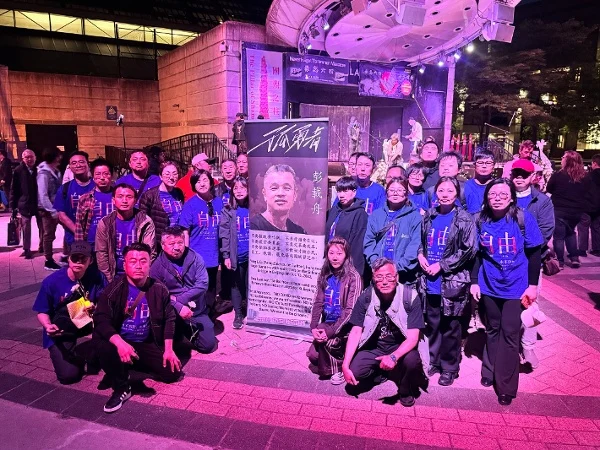
On May 8, 2024, intern doctor Luo Shuaiyu fell to his death from a building near Xiangya Second Hospital dormitories. Police ruled it a suicide. His family and many members of the public rejected that conclusion.
Whistleblowers alleged that Luo had attempted to expose illegal organ harvesting and was silenced. Online sources claimed that four graduate students died in connection with the case—three from falls, and one female student, identified as “Cao Mouping,” who reportedly died in a restroom in February 2024.
A disturbing pattern
Another layer of controversy emerged when netizens linked Xiangya Hospital to Ji Guangguang (real name Li Ming), alleged by online sources to be the grandson of former Chinese Premier Li Peng. He was reportedly the owner of the Beijing apartment tied to another suspicious death case.
Unverified claims online allege that Ji Guangguang controls hundreds of companies and is a major shareholder in Xiangya-linked entities.
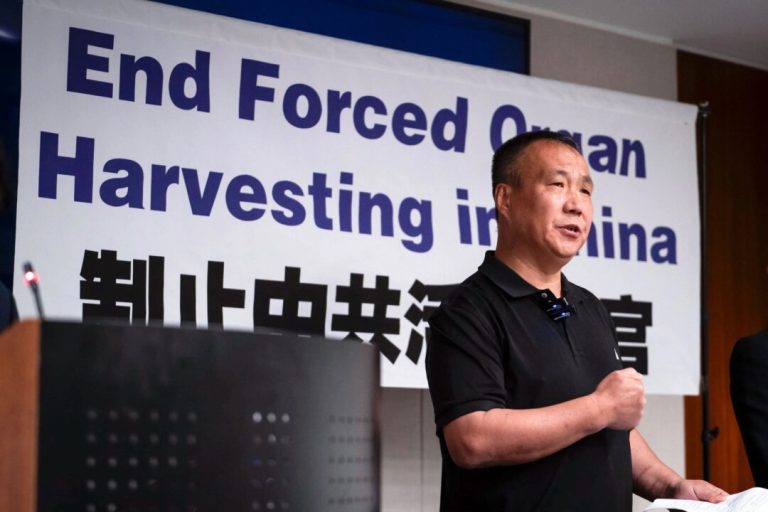
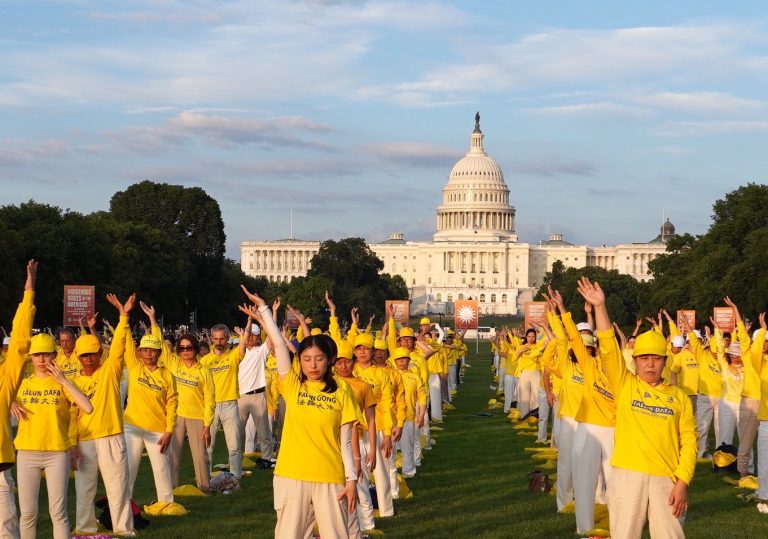
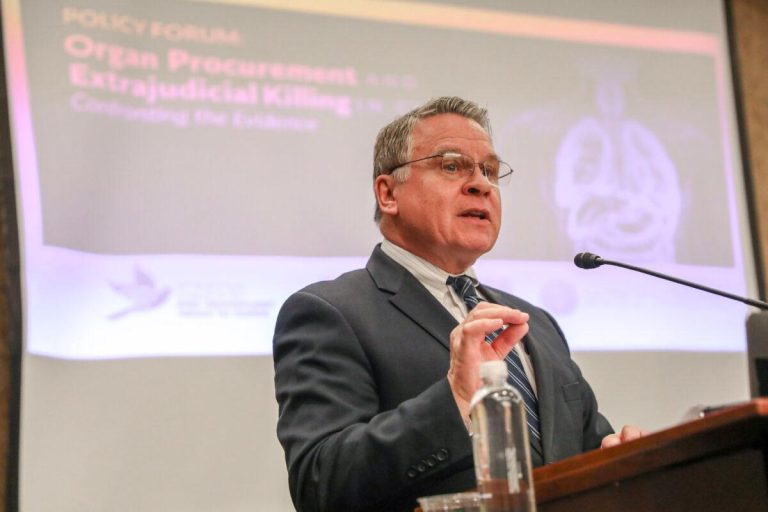
The video argues that the CCP’s long track record of human rights abuses, including live organ harvesting, originated during the 1999 persecution of Falun Gong, when state institutions allegedly integrated prisons, courts, military units, and hospitals into a systematic extraction network. The CCP has long been accused of targeting vulnerable groups, including prisoners of conscience like Tibetans, Uyghur Muslims, Christians, and more.
Editorial note: Views expressed in this article are the opinions of the author and do not necessarily reflect the views of Vision Times.