As the world marked the 37th anniversary of the Tiananmen Square crackdown, U.S. Rep. Chris Smith used the occasion to draw connections between the Chinese Communist Party’s (CCP) response to dissent and concerns about alleged efforts to intimidate critics and activists beyond China’s borders.
In an opinion piece published by Fox News on June 8, Smith, chairman of the Congressional-Executive Commission on China (CECC), argued that the legacy of Tiananmen remains relevant today as lawmakers confront what they describe as growing instances of “transnational repression.”
On June 4, 1989, the CCP deployed troops and tanks to crush a nationwide pro-democracy movement led largely by students. Though publicly-available information is scarce, the military assault ended weeks of peaceful demonstrations centered in Beijing’s Tiananmen Square and resulted in the deaths of hundreds, and according to some estimates, thousands of civilians.
RELATED: Thousands Gather in Toronto to Mark 37th Anniversary of Tiananmen Massacre
Remembering Tiananmen
Smith reflected on the pro-democracy demonstrations that swept across China in the spring of 1989, when hundreds of thousands, and by some estimates millions, of citizens participated in protests calling for political reform and greater openness.
Success
You are now signed up for our newsletter
Success
Check your email to complete sign up
The movement culminated in the military crackdown centered around Beijing’s Tiananmen Square on June 3-4, 1989. The exact death toll remains disputed, with estimates ranging from hundreds to several thousand.
Smith argued that more than three decades later, Chinese authorities have yet to provide a full public accounting of those killed, detained, or disappeared following the crackdown. He also criticized ongoing restrictions on public discussion of the event within China.
The congressman highlighted the iconic “Tank Man” image, which shows an unidentified individual standing in front of a column of tanks before police cracked down on protesters. He described the photograph as a symbol of the universal desire for freedom and human dignity. “This longing is not unique to any one nation or culture,” Smith wrote. “It is part of the human condition.”
Transnational repression
Smith’s article then turned to concerns that have gained increasing attention in Washington: Allegations that foreign governments, including China, seek to pressure critics and dissidents living overseas. According to Smith, methods attributed to Chinese authorities have included online surveillance, doxxing, spyware, deepfake technology, and pressure directed at relatives of activists who remain in China.
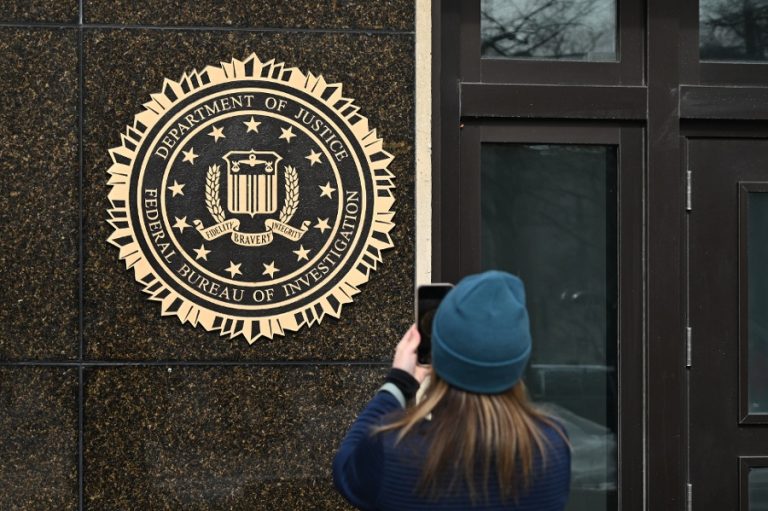
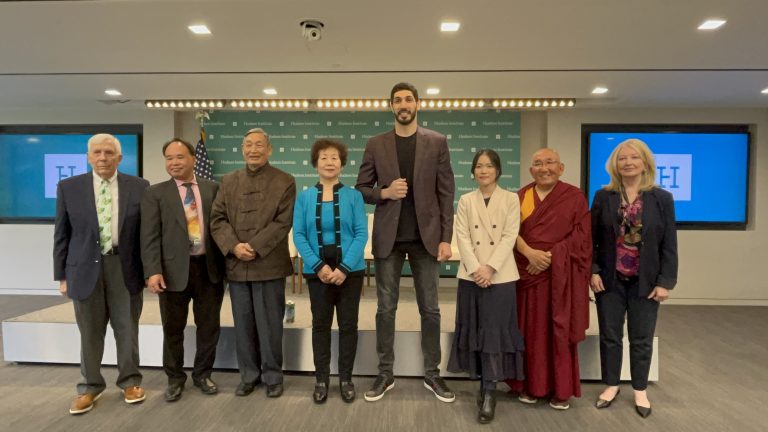
U.S. lawmakers, the FBI, and various state governments have examined allegations of transnational repression in recent years. Congressional hearings have featured testimony from representatives of Uyghur, Tibetan, Hong Kong, and Falun Gong communities who say they or their families have experienced harassment, intimidation, or surveillance linked to their advocacy work abroad.
Supporters of stronger legislation argue that such activities go beyond traditional diplomacy or public influence efforts and constitute attempts to silence political expression across borders.
Chinese officials have repeatedly rejected these allegations. Beijing has denied operating so-called overseas police stations and maintains that its international law enforcement cooperation is conducted in accordance with applicable laws and international norms.
Broader concerns in Washington
Smith argued that transnational repression forms part of a wider set of concerns that have shaped U.S. policy debates regarding China. His article referenced issues ranging from fentanyl trafficking and intellectual property theft to data security, foreign influence activities, and land purchases near sensitive military installations.
In recent years, lawmakers from both major political parties have supported measures addressing competition with China in areas including national security, technology, supply chains, and human rights.
Chinese officials have consistently rejected accusations of systematic interference in foreign societies and have criticized what they describe as efforts to promote a “China threat” narrative for political purposes.
Proposed legislation
Smith said he is working alongside Sen. Dan Sullivan, Sen. Jeff Merkley, and Rep. Jim McGovern to advance the Transnational Repression Policy Act.
According to Smith, the legislation would establish a uniform legal definition for transnational repression, improve coordination among federal, state, and local law enforcement agencies, provide support for affected communities, and strengthen accountability mechanisms for individuals found responsible for such activities.
“If someone is threatened in the United States, law enforcement should investigate,” Smith wrote. “If there is cross-border intimidation, sanctions should be considered.” He further argued that governments should not be permitted to silence critics by targeting family members or intimidating individuals who exercise protected rights abroad.
The proposal reflects growing bipartisan concern in Washington about foreign influence and intimidation campaigns, though U.S. and Chinese officials remain sharply divided over the scope and nature of such activities.
As strategic competition between the world’s two largest economies continues to deepen, disputes involving human rights, national security, and political influence are likely to remain prominent features of the bilateral relationship.