By Tian Jingxin
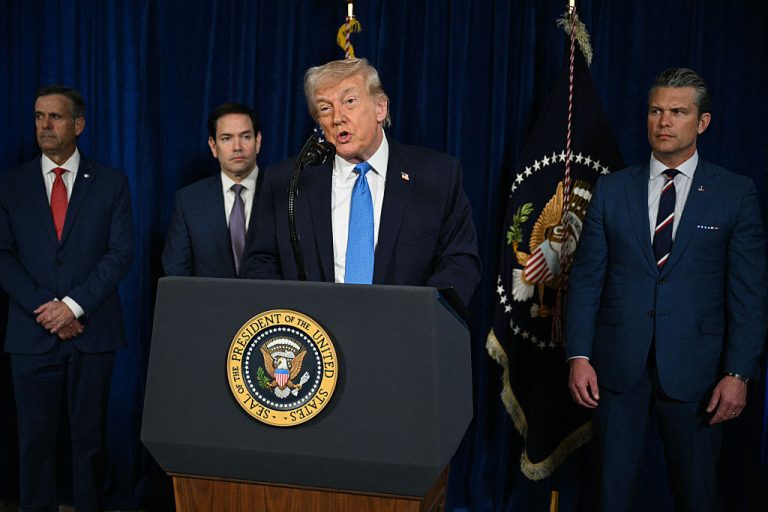
On Jan. 9, U.S. President Donald Trump announced that at the direct request and under pressure from the United States, the Venezuelan government has begun releasing a large number of political prisoners and foreign nationals held in detention. In response to this “gesture of peace,” Trump said he has canceled a planned second wave of military strikes against Venezuela, signaling a significant de‑escalation in tensions between the two countries since the capture of former leader Nicolás Maduro.
Trump confirmed in an early‑morning post on his social platform, Truth Social, that the Venezuelan acting government had begun releasing a “large number” of political prisoners.
He said this was done at the explicit request of his administration to show the Venezuelan side’s sincerity in “seeking peace.”
He emphasized: “This is a very important and wise step. The United States and Venezuela are working well together, especially in rebuilding its large and modern oil and gas infrastructure.”
Success
You are now signed up for our newsletter
Success
Check your email to complete sign up
According to local Venezuelan media and rights groups, the release operation began Thursday evening (Jan. 8). Among those freed were opposition figures Enrique Márquez (a candidate in the 2024 presidential election) and opposition activist Biagio Pilieri, both of whom were greeted by supporters and family upon release.
The release list also included several foreign citizens. The Spanish Ministry of Foreign Affairs confirmed that five Spanish nationals — including noted human rights lawyer Rocío San Miguel — were released and are ready to return home. It remains unclear whether all detained American citizens were included, but the White House deputy press secretary Anna Kelly said this reflects the president’s use of “maximum influence for the benefit of both American and Venezuelan peoples.”
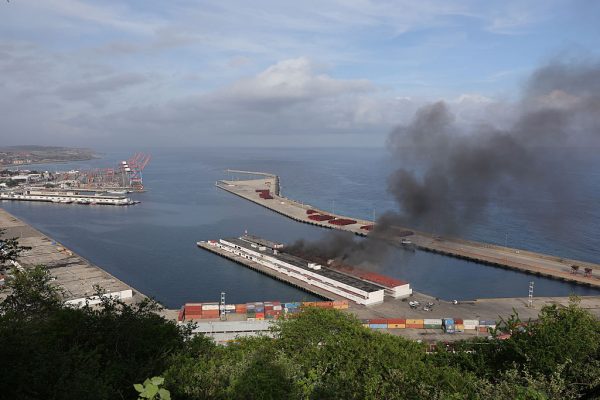
The prisoner release comes in the context of U.S. special forces’ Jan. 3 raid in Caracas that captured Maduro, who was then taken to New York to face drug trafficking charges. Venezuela is currently led by acting President Delcy Rodríguez.
‘Everything we wanted, they gave us’
In a Fox News interview Thursday night, Trump praised the acting government’s cooperation as “very complete” and said, “They’ve done a great job … everything we wanted, they gave us.”
As a result of this progress, Trump announced he is canceling the planned follow‑up military strike, though he stated that U.S. warships deployed in the area would remain in place to ensure security.
Beyond political matters, Trump also outlined a major economic vision, announcing plans for American “Big Oil” to invest at least $100 billion in Venezuela’s energy sector. He is scheduled to meet with top executives of energy giants at the White House Friday afternoon to discuss details of reshaping Venezuela’s oil landscape.
Despite the positive signs, human rights groups remain cautious. The NGO Foro Penal estimates there are still around 800 political prisoners in Venezuelan jails and has criticized the release process for lacking transparency, with no official complete list or exact figures released. Venezuelan National Assembly president Jorge Rodríguez described the move as aimed at “consolidating peaceful coexistence” and thanked countries such as Spain, Brazil, and Qatar for their mediation efforts.
Analysts say the Venezuelan government’s action is intended to secure further U.S. easing of restrictions on the country’s energy exports. Trump has hinted he may meet next week in Washington with Venezuelan opposition leader María Corina Machado to discuss the country’s political transition process.