By Yuan Haiyin
A U.S. television series released in 2019 has suddenly surged back into the spotlight. Tom Clancy’s Jack Ryan—once dismissed as exaggerated and implausible—is now being hailed online as a “prophetic drama” following recent events in Venezuela.
The reason is hard to ignore. In January 2026, U.S. special forces stormed the Venezuelan presidential palace and captured President Nicolás Maduro. The real-world operation bears striking similarities to the climax of Jack Ryan’s second season, prompting widespread astonishment among viewers. Many are now describing the series as having moved “from fiction to reality.”
When the show first aired, it was widely criticized for its inflated storytelling and “Hollywood-style” geopolitics. Few expected that years later it would experience such a dramatic reversal of fortune. Almost overnight, the series went from being labeled a “bad show” to a “legendary one.” Its rating on China’s Douban platform climbed rapidly from 6.2 to 8.0.
Online commentary shifted just as sharply. Former critics returned to the comment sections to “line up and apologize,” some joking that the screenwriters must be “time travelers.”
Success
You are now signed up for our newsletter
Success
Check your email to complete sign up
Once viewed as a standard example of American ideological storytelling, Jack Ryan has now become a cultural talking point—less for its production values than for the way its fictional narrative appears to echo unfolding global events.
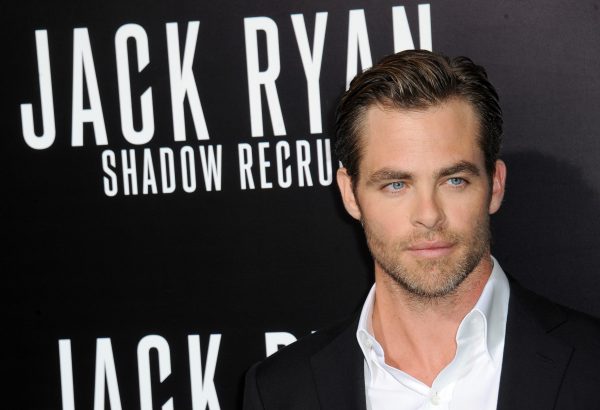
From page to screen: a classic geopolitical IP
Jack Ryan is adapted from the bestselling novels of American military writer Tom Clancy, whose work occupies a place in Western popular culture comparable to James Bond or Jason Bourne. Clancy was known for weaving meticulous military detail with geopolitical intrigue, and many of his novels—such as The Hunt for Red October and Patriot Games—have been adapted into films and games.
Produced by Amazon Prime Video, the series ran for four seasons, each with eight episodes lasting roughly 45 to 60 minutes. The title character is played by John Krasinski, also known as the director and star of A Quiet Place. Krasinski’s restrained, intellectual demeanor convincingly portrays Ryan’s evolution from CIA analyst to field operative.
Ryan’s superior, James Greer, is played by Wendell Pierce, and the two share strong on-screen chemistry. The series balances action with investigation, offering both kinetic combat scenes and methodical intelligence work.
With its fast pacing and manageable episode count, the show is well suited to binge viewing. Beyond the current “prediction” buzz, it has also been praised for relatively realistic military detail—a hallmark of Clancy’s original writing—and for addressing broader geopolitical themes such as resource competition and great-power intervention.
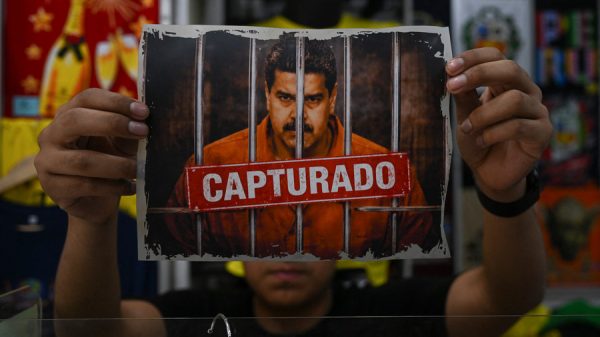
When fiction meets reality
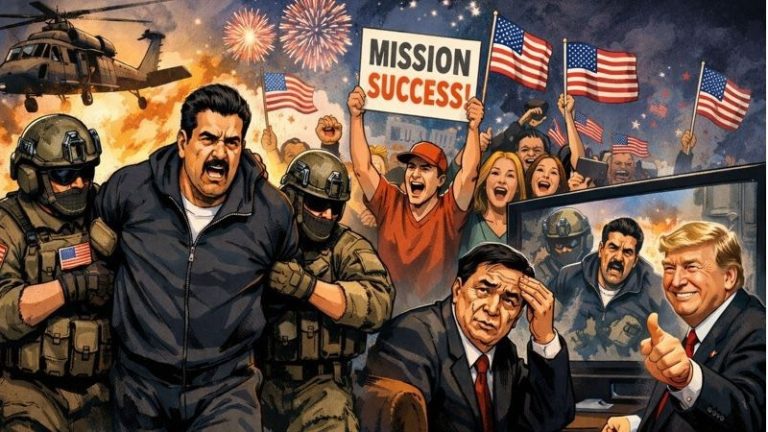
On Jan. 3, 2026, the United States launched what was described as Operation Absolute Resolve, deploying special forces to raid Venezuela’s presidential palace and detain President Maduro. The images and reports that followed stunned audiences familiar with Jack Ryan’s second season.
That season is set largely in Venezuela. In the storyline, Ryan uncovers evidence that Russia is smuggling weapons into the country and colluding with the Venezuelan president to monopolize strategic mineral resources.
The show’s fictional president, Nicolás Reyes, seeks to maintain control over tantalum deposits valued in the trillions of dollars. To do so, he orders assassinations of opposition figures and conspires with a corrupt U.S. senator. In the finale, Ryan and his team fly Black Hawk helicopters directly into the presidential palace, rescue a captured superior officer, overthrow the regime, and pave the way for the opposition to take power.
When the season aired in 2019, this sequence was widely derided as absurd. Many viewers scoffed at the idea that five agents could topple a sitting president. Yet seven years later, reality appears—at least superficially—to have echoed the script.
In the real world, the U.S. government has long accused the Maduro administration of corruption, drug trafficking, and collaboration with China, Russia, and Iran, framing Venezuela as a national security concern.
What was once dismissed as fantasy is now being reconsidered as an unsettling preview.
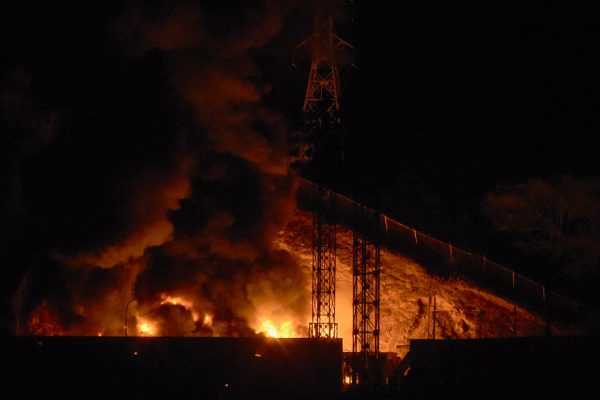
Tom Clancy and the reputation for ‘prediction’
Tom Clancy’s reputation for foresight did not begin with Jack Ryan. His earlier novel The Hunt for Red October anticipated major shifts in submarine warfare, while Debt of Honor depicted forms of asymmetric and biological conflict well before they entered mainstream discussion.
Season 2 of Jack Ryan focuses explicitly on Venezuela’s oil and mineral wealth. The series notes that the country possesses the largest proven oil reserves in the world, yet remains mired in economic collapse—an outcome attributed to corruption and elite monopolization. To many viewers, this portrayal closely mirrors Venezuela’s real trajectory under Maduro.
From ridicule to apology
As the series regained attention, comment sections across Douban, X (formerly Twitter), and Bilibili erupted. Old negative reviews were revisited and reinterpreted, often with self-mockery.
One Douban user wrote in 2019: “The plot is ridiculous—five CIA agents landing helicopters at the Venezuelan presidential palace and killing their way through. Pure American bravado, exaggerated beyond belief.”
In 2026, the same user updated the comment: “This review proves how limited my imagination was. Reality slapped me in the face. Were the writers time travelers?”
On X, one widely shared post noted that what was once criticized as “too far-fetched” now looked disturbingly prescient. On Bilibili, viewers joked that the show had “jumped from a 6 to an 8, with netizens lining up to apologize.”
Some commenters went further, joking that “Tom Clancy must have been an unofficial CIA insider.” The renewed acclaim has turned the series’ review pages into a showcase of astonishment.
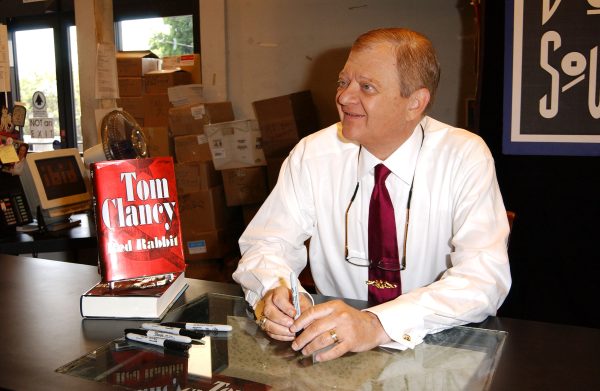
The long tradition of ‘prophetic’ fiction
In truth, Jack Ryan is hardly alone. Literature and film have often been retroactively labeled “prophetic.”
Liu Cixin’s The Three-Body Problem includes references to U.S. military action against Venezuela rooted in resource competition. Popular web fiction has speculated about runaway gold prices years before recent market surges.
Internationally known examples are even more familiar: The Simpsons seemingly anticipating Donald Trump’s presidency, Contagion eerily mirroring the global COVID-19 pandemic, and George Orwell’s 1984 outlining the architecture of modern surveillance societies.
These works are not mystical predictions so much as logical extensions of existing political and social trends. Yet when reality eventually catches up, the resemblance can be startling.