By Yang Tianzi
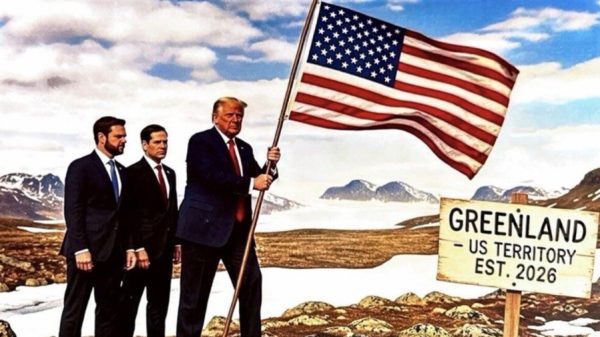
NATO Secretary General Mark Rutte delivered a tough message to the European Parliament on Jan. 26, sending shockwaves through transatlantic relations, which have recently been unsettled due to the Greenland sovereignty controversy. He warned Europe bluntly: “If anyone still thinks Europe can defend itself without the United States, keep dreaming.” This controversy, triggered by U.S. President Trump’s pledge to buy Greenland, sharply exposes the structural dilemma Europe faces in security and defense.
The strategic value of Greenland
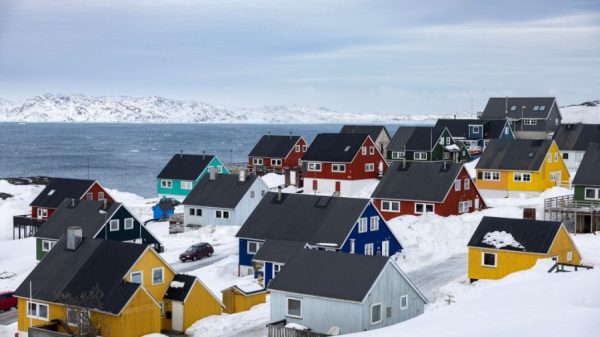
Greenland, the world’s largest island, has seen its strategic importance rise exponentially in the 21st century. Covering 2.16 million square kilometers with a population of only about 56,000, its geographic location makes it a key piece in Arctic geopolitics. As global climate change melts Arctic ice and opens new sea routes, Greenland’s strategic value manifests on multiple levels:
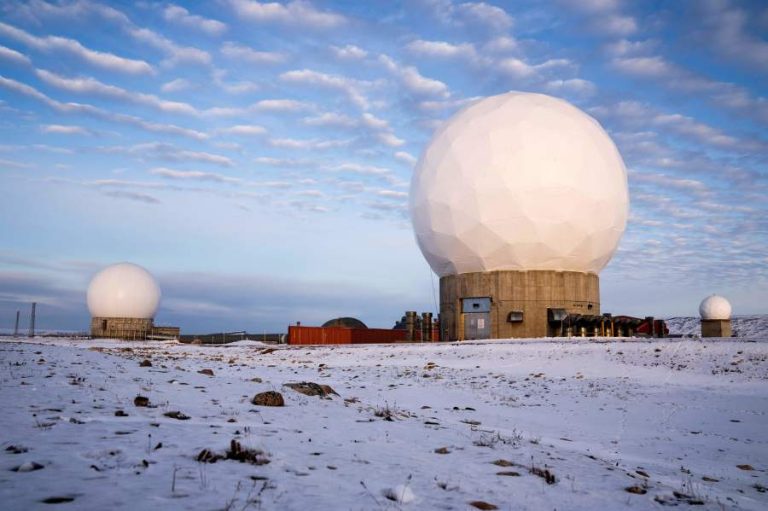
First, its unique geographic advantage. Greenland straddles the Arctic Circle, controlling critical routes between the Atlantic and Arctic Oceans, and serves as a natural bridge between North America and Europe. This makes it ideal for monitoring military activity in the Arctic, deploying early warning systems, and stationing missile defense systems. The U.S. Thule Air Base in Greenland has long been a hub for missile warning, satellite monitoring, and Arctic military operations.
Second, its rich resource potential. Melting ice makes Greenland’s rare earth minerals, oil, and natural gas more accessible, resources of strategic importance to high-tech industries and defense. Meanwhile, the gradual opening of Arctic shipping routes means controlling Greenland equates to influence over future global shipping and resource development.
Success
You are now signed up for our newsletter
Success
Check your email to complete sign up
Trump’s interest in Greenland is not new. As early as his first term in 2019, he publicly expressed interest in buying Greenland, which the Danish government firmly rejected. Upon returning to the White House, the issue resurfaced with even stronger rhetoric.
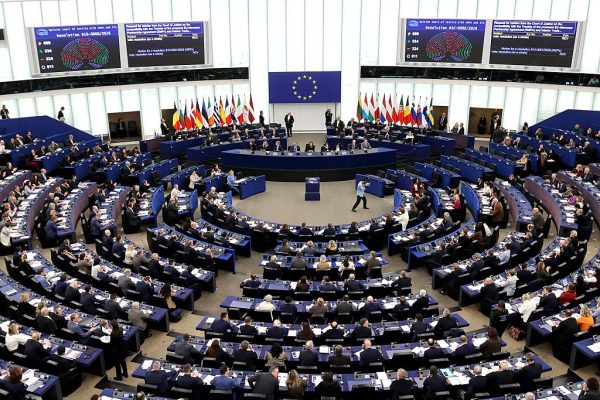
Rutte’s warning: Europe dreaming if it expects to defend itself without the US
In his European Parliament speech, NATO Secretary General Rutte expressed a harsh realism. A seasoned politician and former Dutch Prime Minister, Rutte is well aware of Europe’s true defense capabilities. His warning is based on several key military realities:
- Nuclear deterrence gap: Rutte emphasized that Europe’s ultimate security relies on the “U.S. nuclear umbrella.” While France possesses independent nuclear strike capability and the U.K. has a nuclear arsenal closely integrated with the U.S., both are insufficient to cover the entire continent or match Russia’s vast nuclear arsenal. Creating a credible European nuclear deterrent would require astronomical investments and involve highly complex technical, political, and ethical challenges.
- Structural insufficiency in defense spending: Rutte cited figures that shocked European finance ministries. He noted EU countries must significantly increase defense spending beyond NATO’s agreed baseline, investing “tens of billions” to build nuclear weapons and strengthen conventional forces. This highlights a fundamental problem: since the Cold War, European nations have generally reduced defense spending, enjoying a so-called “peace dividend” and allocating more resources to social welfare and economic development.
- Dependence on military industry and operational capacity: The 2022 Russia-Ukraine war revealed Europe’s serious shortcomings in industrial capacity to support Ukraine—production of ammunition and weapons systems lagged far behind battlefield needs. Modern warfare heavily relies on intelligence, surveillance, reconnaissance (ISR), and strategic airlift, areas where Europe remains structurally dependent on the U.S.
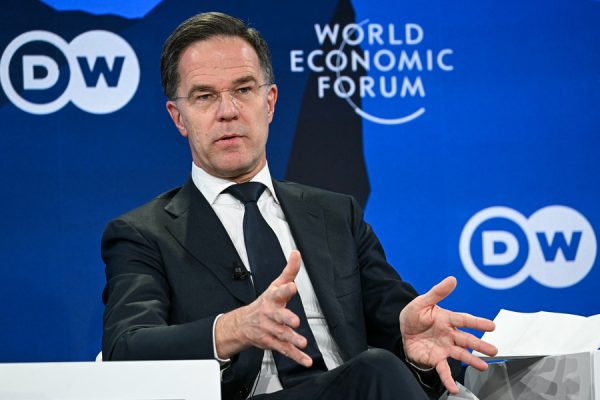
Strategic divisions and political realities within Europe
Rutte’s remarks immediately triggered strong reactions within Europe, most prominently from France. French Foreign Minister Jean-Noël Barrot quickly responded on social media, insisting, “Europeans can and must take responsibility for their own security.” This reflects France’s long-standing Gaullist stance advocating European strategic autonomy.
France argues that Europe cannot permanently rely on a politically polarized and diplomatically inconsistent United States. President Macron has repeatedly called for a “European army,” emphasizing Europe must possess defense capabilities independent of the U.S. France hopes EU-level defense initiatives, such as the “European Defence Fund” and strategic guidelines, can grant Europe greater autonomy and reduce its vulnerability to U.S.-China tensions.
However, not all European countries share France’s position. Eastern European frontline nations like Poland and the Baltic states, though uneasy about Trump’s Greenland rhetoric, fear Russia’s direct threat more. For them, U.S. troops provide the only credible security guarantee, and any attempt to weaken transatlantic ties is seen as dangerous. This geopolitical reality makes it difficult for Europe to form a unified stance on strategic autonomy.
Rutte explicitly rejected the European Commission’s defense chief Kubilius’ proposal to establish a “European Defense Force” to replace U.S. troops in Europe. He warned that such a move would “complicate matters” and delight Russian President Putin. This reflects practical skepticism about European military integration: creating a true European army involves highly sensitive issues of command, budget allocation, and operational principles.
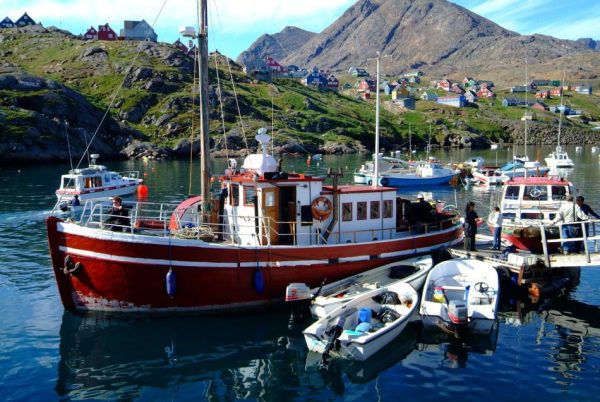
Challenges of defense spending and nuclear development
Rutte’s call for increased defense budgets and nuclear investment touches on fundamental choices for European societies. Except for a few Eastern European countries like Poland and Estonia, most Western European nations have yet to meet NATO’s target of 2 percent of GDP on defense. Germany, Europe’s largest economy, only committed in 2024 to raise defense spending to 2 percent of GDP.
The proposed increases essentially require Europe to accept “long-term militarization,” treating defense spending as a structural, not temporary, expense. This is not only a technical challenge but a major political and social consensus test. Welfare states face difficult resource allocation decisions between social services, healthcare, education, and defense.
On nuclear weapons, Rutte’s reference to “tens of billions” in investment ventures into politically sensitive territory. Countries like Germany have long-standing anti-nuclear sentiment, making societal acceptance of nuclear investment nearly impossible. Any new nuclear state would also spark major controversies under the Nuclear Non-Proliferation Treaty (NPT).
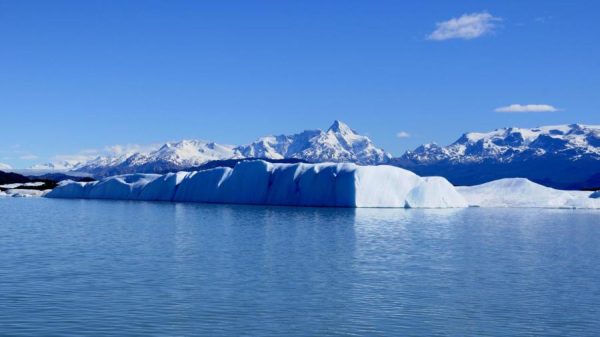
NATO’s Arctic strategy and Greenland’s future
In response to Trump’s pressure, Rutte stated he agrees with the view that NATO will “assume greater responsibility for Arctic defense,” signaling a significant strategic shift. Traditionally focused on continental Europe and the Atlantic, NATO must now account for the Arctic’s rising strategic importance, particularly as China promotes an “Ice Silk Road” initiative and Russia heavily militarizes Arctic coastal areas.
Greenland occupies a central role in this new strategy. It is not only a forward monitoring post for Arctic sea routes but also an ideal location for missile defense and early warning radar deployment. To appease Trump and maintain U.S. commitment to NATO Article 5, European allies may be forced to allocate military resources to the Arctic—addressing Russia’s militarization there and U.S. strategic interest in “containing China’s Arctic expansion.”
Regarding U.S. troop increases in Greenland, Rutte tactfully said this must be negotiated by Greenland and Denmark, noting he “is not authorized to represent Denmark in talks.” This stance aims to recognize U.S. security concerns while preserving Danish sovereignty and equality among NATO allies.
Greenland’s internal politics add complexity. Independence movements have gained momentum, with many Greenlanders seeking to break from Danish rule. However, Greenland’s economy heavily depends on Danish subsidies, making U.S. economic and military investment attractive and providing opportunities to influence Greenland’s political trajectory.
Structural dilemmas and the future of transatlantic relations
Rutte referenced European sacrifices in the Afghanistan war—“for every two American soldiers who gave their lives, one allied or partner soldier could never return home”—seeking to evoke emotional and moral responsibility. This not only responds to Trump’s past claims that Europe “takes advantage of the U.S.” but also defends the trust underpinning NATO’s Article 5 collective defense.
The Greenland crisis reflects accumulated contradictions in transatlantic relations since the Cold War, now erupting in the contemporary security environment. Rutte’s warning, though harsh, underscores a brutal reality: Europe currently lacks both the capacity and willingness to achieve true defense autonomy in the short term. Decades of a “peace dividend” have eroded Europe’s ability to conduct large-scale, high-intensity warfare; rebuilding this capability would take decades and astronomical funding.
How the Greenland issue is ultimately resolved will test the resilience of transatlantic relations. If all parties can find a balance of interests through dialogue and negotiation, this crisis could serve as a catalyst for NATO reform and European defense integration.