By Gao Yun
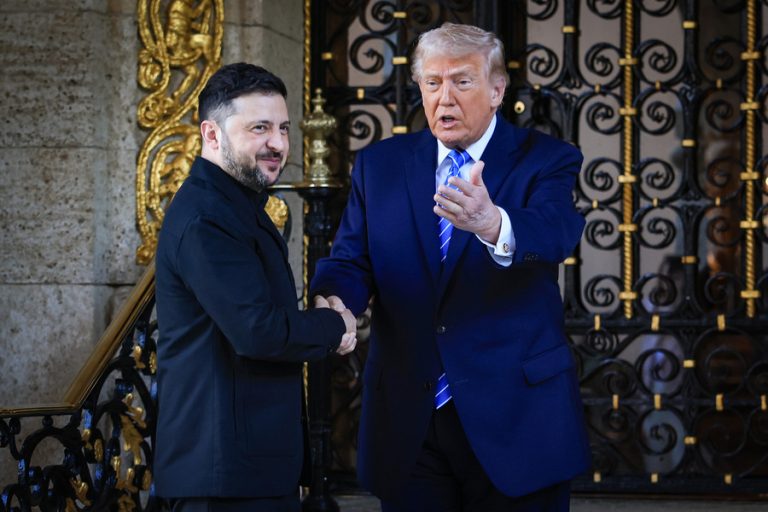
A source familiar with the matter told Reuters on Tuesday, Jan. 27 that the United States has informed the Ukrainian government that U.S. security guarantees would be contingent on Ukraine signing a peace agreement with Russia.
The disclosure comes as a series of diplomatic negotiations continue to advance. Over the weekend, Ukrainian and Russian negotiators met in Abu Dhabi, United Arab Emirates, under U.S. mediation. According to U.S. officials involved in the talks, the meeting produced substantive progress and may lay the groundwork for a future agreement.
The Financial Times previously reported that Washington had sent a clear signal to Kyiv that U.S. security guarantees would depend on Ukraine’s willingness to sign a peace deal—one that could include Ukrainian concessions in the Donbas region.
However, a source told Reuters that the United States has not set any preconditions on the substance of an agreement, nor has it proposed any specific territorial arrangements. The source emphasized: “Claims that Washington is forcing Ukraine to make concessions to Russia are misleading.”
Success
You are now signed up for our newsletter
Success
Check your email to complete sign up
According to reports, U.S. envoy Steve Witkoff and Jared Kushner participated in the talks and expressed optimism afterward about reaching an agreement. Ukrainian and Russian representatives are expected to meet again in Abu Dhabi this Sunday, with U.S. officials potentially attending another round of negotiations.
Meanwhile, Ukrainian President Volodymyr Zelenskiy said on Sunday that a U.S. document outlining security guarantees for Ukraine is “100 percent ready,” and that Kyiv is currently awaiting confirmation of the time and place for signing.
Despite progress toward a peace deal, Ukraine has remained firm on key issues. Zelenskiy has repeatedly stated that Ukraine’s territorial integrity is a red line and not subject to compromise.
Still, the Financial Times quoted a senior Ukrainian official as saying that Kyiv is becoming “increasingly uncertain” about whether the United States will ultimately provide clear security commitments.
Russia has once again underscored the importance of territorial issues. Russia’s TASS news agency quoted the Kremlin after the Abu Dhabi talks as saying: “Territorial issues remain at the core of any agreement to end the war in Ukraine.”
Ukrainian energy facilities in the West hit
Even as peace talks move forward, the situation on the battlefield remains unstable.
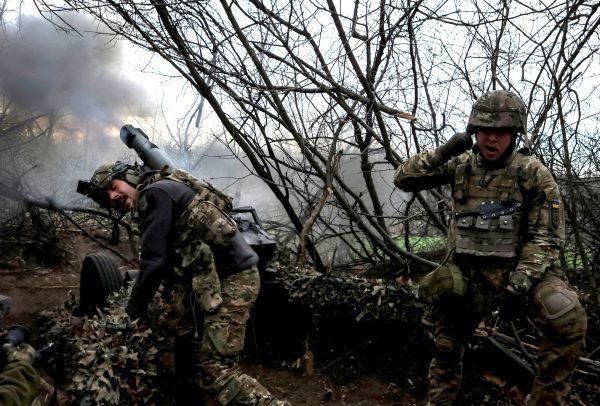
Reuters reported that Ukraine’s state energy company Naftogaz said on Tuesday that Russian forces struck one of its facilities in western Ukraine the same day, causing a fire and forcing the suspension of operations.
In a statement, Naftogaz said this marked the 15th deliberate attack on its infrastructure since the start of 2026. The company’s CEO, Sergii Korteskyi, later wrote on Facebook: “The strike caused a fire at the site. To ensure personnel safety and prevent environmental pollution, company specialists immediately halted all technical operations at the facility.”
Since the outbreak of the Russia–Ukraine war in 2022, Russia has sharply intensified attacks on Ukraine’s energy system. Since last autumn, Ukraine’s gas production and transmission networks have been repeatedly damaged. Ukraine’s central bank governor has said the country has lost about half of its natural gas capacity.
Naftogaz did not disclose the name of the facility that was hit. Earlier, Ukraine’s emergency services reported that an industrial facility in Lviv region caught fire after an attack. Local officials in the city of Brody also warned the public that burning petroleum products could cause environmental pollution.
Brody is a key junction linking the Druzhba oil pipeline and the Brody–Odesa pipeline. The Druzhba pipeline is a major route transporting Russian crude oil to Eastern Europe, while the Brody–Odesa pipeline connects it to export terminals along the Black Sea coast.
The attack drew particular attention because it was one of the rare instances in which Russia targeted pipelines that carry its own oil to Europe. Previously, Ukraine had repeatedly struck sections of the Druzhba pipeline inside Russia, temporarily disrupting oil flows and sparking complaints and protests from countries including Hungary and Slovakia.