By Gao Yun
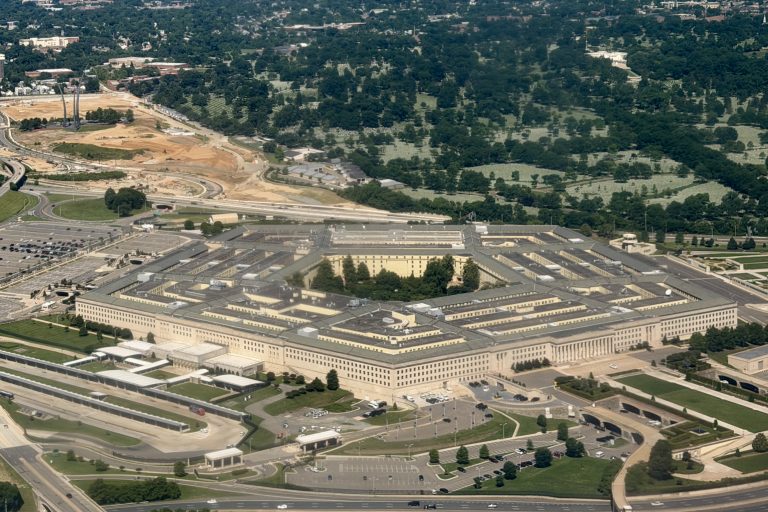
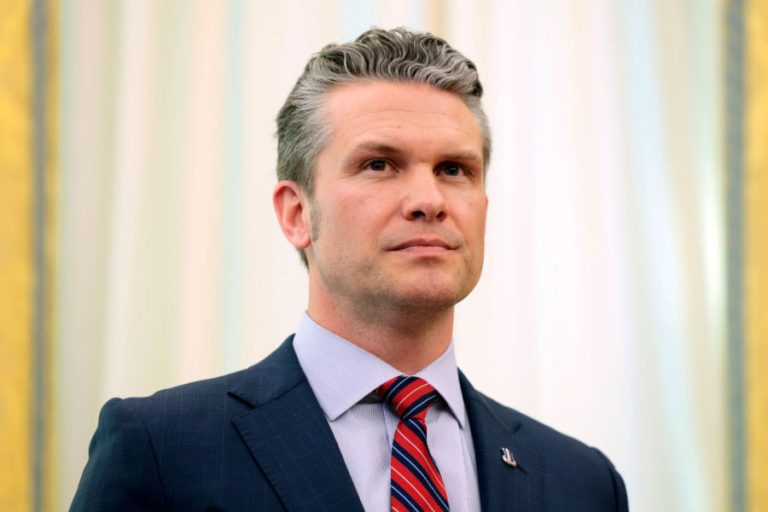
U.S. Secretary of War Pete Hegseth said on Thursday, Jan. 29 that if President Trump deems it necessary, the U.S. military will be ready to launch an attack on Iran.
Referring to “Operation Midnight Hammer,” Hegseth said: “We must reshape the enemy’s perception of us. When President Trump says, ‘We will not allow Iran to have nuclear weapons—you will not have a nuclear bomb,’ he is serious.”
He added: “They (Iran) should not pursue nuclear capabilities, and we will be prepared to deliver everything this president expects of the Department of War, just as we did earlier this month. No other military in the world could—or ever would—carry out such a complex and powerful strike. This was an unprecedented operation in U.S. history.” His remarks referred to the U.S. military operation that captured Nicolás Maduro and his wife.
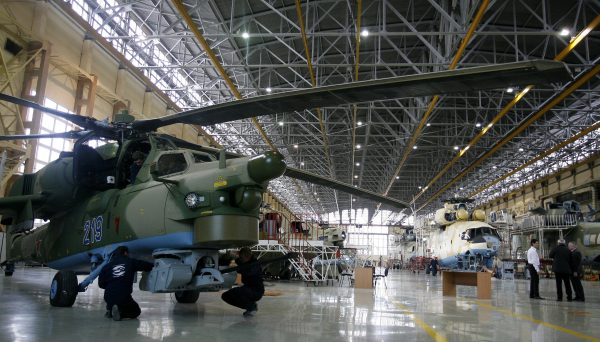
Iran receives first Russian-made Mi-28NE attack helicopter
According to military website Army Recognition, citing Russian media on Jan. 29, Iran has received its first Russian-made Mi-28NE “Night Hunter” attack helicopter. The procurement agreement began in 2023, and this delivery marks a further deepening of military cooperation between the two countries.
Success
You are now signed up for our newsletter
Success
Check your email to complete sign up
Reports said the helicopter has undergone inspection in Tehran and is being prepared for operational deployment. The export-version aircraft is equipped with a 30-mm cannon, air-to-ground missiles, and unguided rockets, and features heavy armor and advanced avionics, enabling low-altitude operations day and night.
The report noted that the helicopter can conduct air assault, reconnaissance, and suppression of enemy air defenses, and that its deployment will enhance Iran’s ability to withstand potential U.S. military attacks.
Previous reports said Iran had provided nearly US$3 billion worth of weapons to support Russian President Vladimir Putin’s war against Ukraine. Recently, a cargo ship suspected of transporting Iranian weapons—the Rona—sank in the Caspian Sea.

Iran carries out mass arrests of protesters; thousands detained
Sources told Reuters that after suppressing the most serious protests since 1979, Iranian security forces have launched mass arrests, with thousands detained in an effort to intimidate the population and prevent the spread of demonstrations.
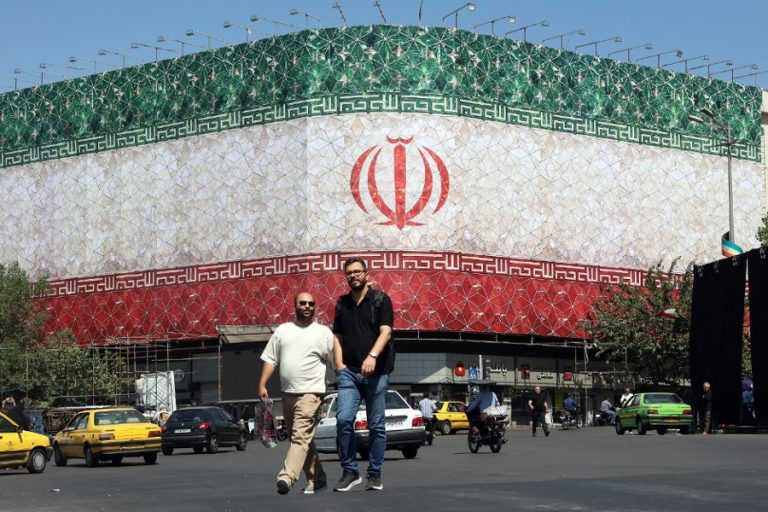
Last month, small-scale protests erupted at Tehran’s Grand Bazaar due to the economic crisis, triggering nationwide anti-government demonstrations and posing the greatest threat to Iran’s religious regime in 50 years. Human rights groups said authorities cut off internet access and used force to suppress protests, resulting in thousands of deaths. The Iranian government blamed the violence on “terrorists” linked to the United States and Israel.
Five activists operating inside Iran said plainclothes forces quickly carried out widespread arrests and set up checkpoints. Many detainees were taken to secret detention facilities. One source said: “They arrest everyone. No one knows where people are being held.”
Reuters corroborated the accounts through lawyers, medical workers, witnesses, and two anonymous officials.
President Trump recently stated that a “fleet has been sent toward Iran” and demanded negotiations over Iran’s nuclear program, warning of harsher strikes than ever before if talks fail. Military pressure continues to escalate.
Multiple Western and Middle Eastern sources told Reuters this week that Trump is weighing various options against Iran, including targeted strikes on security forces and leadership to encourage protesters. However, Israeli and Arab officials said airstrikes alone would not be enough to topple the Iranian regime.
One activist noted that, in addition to newly detained protesters, many individuals previously arrested in earlier protests have been detained again, with even family members not spared.
The U.S.-based human rights group HRANA said the latest death toll has reached 6,373, including 5,993 protesters, 214 security personnel, 113 minors, and 53 bystanders. The number of arrests has risen to 42,486.
Iran’s judiciary has warned that those involved in arson, destruction of public property, or clashes with security forces could face the death penalty.
The UN Office of the High Commissioner for Human Rights said it has received reports that many detainees face risks of torture and unfair trials. Special Rapporteur Mai Soto said thousands of doctors and medical workers are also among those detained.
Secret detentions widespread as public fear grows
Two anonymous Iranian officials confirmed that thousands have been arrested in recent days, with many held in non-official locations such as warehouses.
On Jan. 21, Iranian authorities said unrest had resulted in 3,117 deaths, including 2,427 civilians and security personnel.
Amnesty International said on Jan. 23 that authorities are imposing “suffocating military rule,” involving mass arbitrary detention, enforced disappearances, and harassment of victims’ families.
Witnesses said arrests have spread from small towns to the capital. A resident in northwestern Iran said his brother and cousin were arrested days ago when plainclothes officers broke into their home, seized all computers and phones, and threatened to detain the entire family if the incident was made public.
More than 60 percent of Iran’s population is under 30. Although protests have been temporarily suppressed, human rights groups warn that harsh crackdowns could spark further backlash.
Three lawyers said dozens of families have sought legal help to locate detained minors. One lawyer said: “Many of those arrested are under 18—both boys and girls.”
Five doctors said injured protesters were taken from hospitals by military police, and dozens of doctors were summoned or warned not to treat protesters. Prison authorities denied holding injured detainees.
A father whose daughter was arrested said: “We don’t know where she is. No one tells us whether she’s alive or dead. They arrest people as if they were terrorists.”