By Tian Jingxin
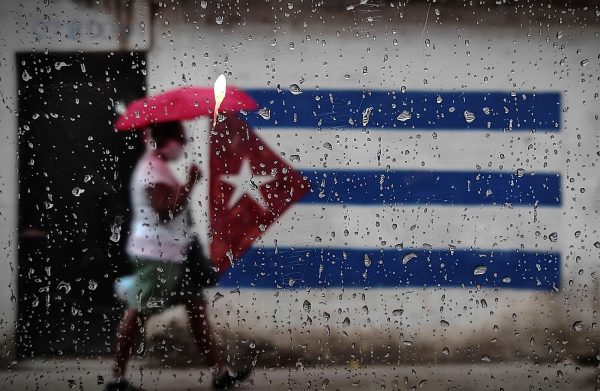
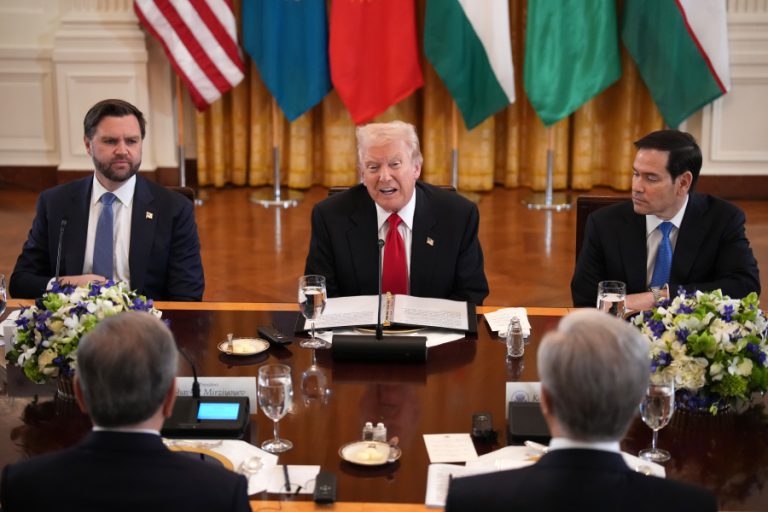
On Jan. 29, U.S. President Donald Trump officially signed an executive order declaring a “national emergency” in response to the threat posed by the Cuban government to U.S. security.
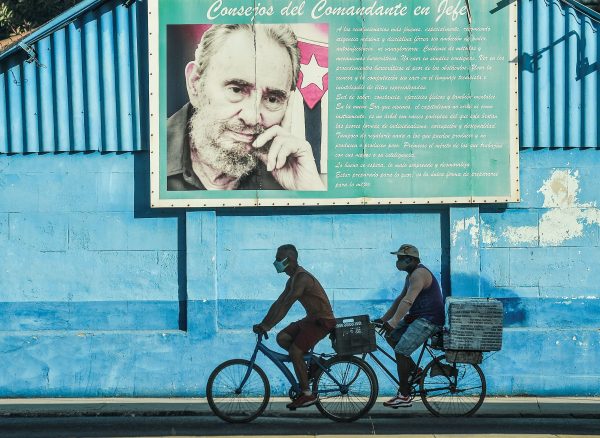
The order explicitly states that the policies and actions of the Cuban government constitute an “unusual and extraordinary threat” from abroad to the national security and foreign policy of the United States. To address this urgent situation, Trump announced the establishment of a strict tariff-linked system: any country that directly or indirectly sells or provides oil to Cuba—including crude oil or petroleum products—will face additional ad valorem duties on goods exported to the United States. The executive order takes effect at 12:01 a.m. Eastern Time on Jan. 30, marking a new phase of sanctions pressure against the Cuban dictatorship.
In the order, Trump provides detailed evidence of Cuba’s deep collaboration with anti-U.S. powers such as China and Russia. He points out that Cuba is openly inviting dangerous adversaries to deploy advanced military and intelligence capabilities in the country, including maintaining Russia’s largest overseas signals intelligence facility to steal sensitive U.S. information, and establishing deep intelligence and defense cooperation with the Chinese Communist Party.
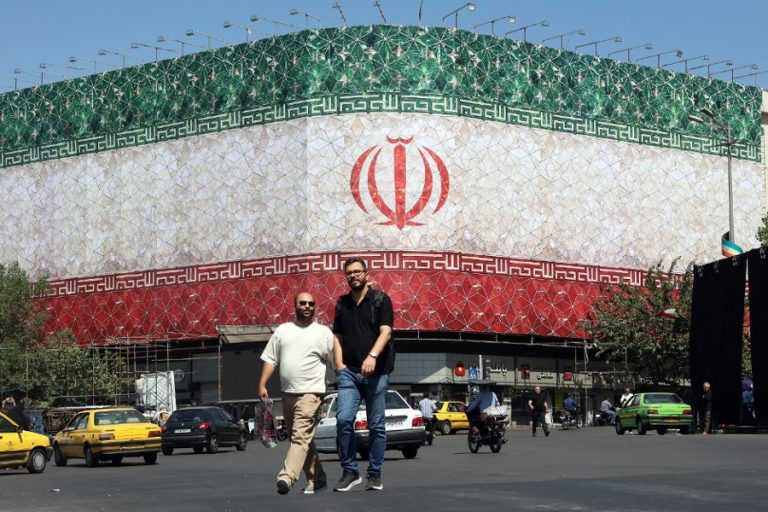
Additionally, Cuba is named as allied with the Iranian government, Hamas, Hezbollah, and other transnational terrorist organizations, providing safe havens for these malign actors and attempting to destabilize the Western Hemisphere and the United States. Trump emphasized that establishing this tariff system is a “necessary and appropriate” measure to address the national emergency and is intended to completely block strategic infiltration by hostile forces in the Western Hemisphere.
Complex tariff enforcement
Success
You are now signed up for our newsletter
Success
Check your email to complete sign up
This complex tariff enforcement system will be implemented through coordination among multiple core U.S. departments. According to the order, the Department of Commerce is responsible for determining which countries are involved in directly or indirectly supplying oil to Cuba, with “indirect provision” specifically defined as shipments through intermediaries or third countries when done knowingly.
Once the Commerce Department confirms the facts, the Secretary of State will consult senior officials from the Treasury Department, Department of Homeland Security, and the Office of the U.S. Trade Representative to propose specific tariff rates. The final decision rests with the President, who will determine the scope and level of duties based on these departmental recommendations.
A White House “fact sheet” issued afterward emphasized that this move is an extension of the “America First” policy, aiming to confront regimes that threaten U.S. interests through economic leverage while continuing Trump’s longstanding stance of standing with the Cuban people and holding the dictatorship accountable.
This action is seen as part of the Trump administration’s recent series of measures to crack down on global authoritarian regimes, following previous actions against Iran’s nuclear infrastructure and the planned military arrest of Venezuelan President Nicolás Maduro. Although the policy may face legal challenges in the U.S. Supreme Court regarding the scope of authority under the International Emergency Economic Powers Act (IEEPA), President Trump has demonstrated strong enforcement determination.
He also left room for flexibility in the order, stating that if Cuba or related countries align with U.S. security policies and significantly reduce threats in the future, he may modify or revoke the order.