
A nationwide fruit glut takes hold
Truck after truck of fruit is going unsold across China.
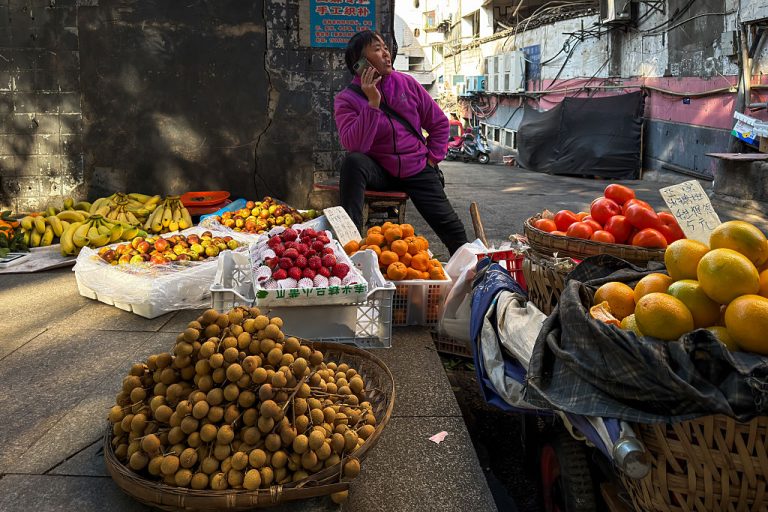
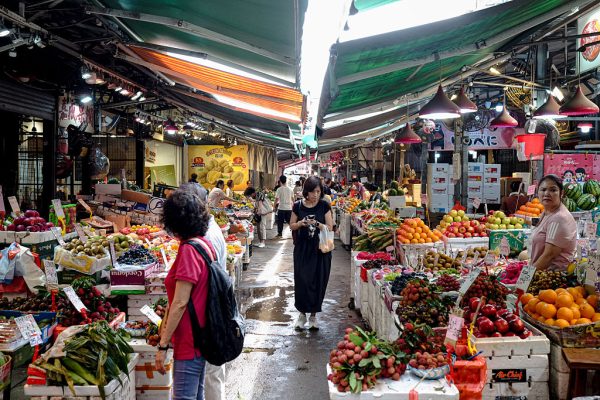
From wholesale markets to roadside stalls, cherries, mandarins, strawberries, and other produce are piling up in multiple regions. As consumer spending continues to contract, growers and traders find themselves trapped with inventories they cannot move, even after sharply cutting prices.
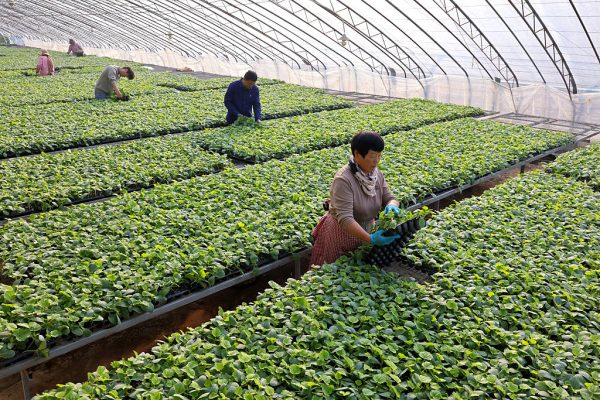
Many fruit farmers say they have fallen into a familiar and punishing cycle: the more they plant, the more they lose. Traders voice the same frustration, saying sales this year have collapsed to levels they have never witnessed before. Even drastic price cuts are failing to draw buyers.
“One truckload of 66,000 jin of Gannan navel oranges isn’t even worth two smartphones,” one grower said.
Another farmer spelled out the costs behind the losses. Maintaining 500 mature fruit trees costs more than RMB 30,000 (about USD 4,200) annually and requires three full-time laborers working every day of the year. “After all that,” he said, “we can’t even recover our production costs. We’re still losing money.”
Success
You are now signed up for our newsletter
Success
Check your email to complete sign up
Historic price collapse across China’s fruit industry
Some traders believe 2026 will be remembered as a breaking point for China’s fruit industry. From lychees and Shine Muscat grapes to watermelons and pomelos—and now Gannan navel oranges, sugar mandarins, and jelly oranges—prices across the sector have plunged to historic lows.
“There has never been a year like this,” one vendor said.
Videos circulating online show stalls filled with spoiled, unsold fruit. “Everything is bad stock,” a seller says on camera. “It can’t be sold. No one wants it. It’s all piled up. This year’s harvest is a real mess.”
At a major wholesale market in southern China, one trader stood silently beside his truckload of sugar mandarins, watching purchase prices fall in real time on his phone. He finished a cigarette without speaking. Behind him loomed stacked containers of imported cherries and other traders wearing the same strained, anxious expressions.
A supply chain breakdown spreads nationwide
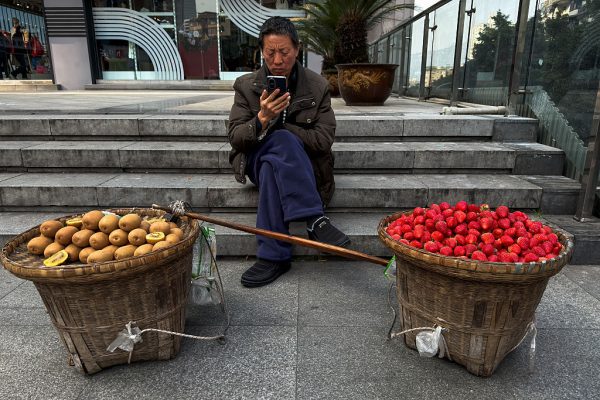
This collapse is not confined to a single city or region. In early 2026, the downturn spread across China’s entire fruit supply chain. Cherries—once a symbol of urban affluence and discretionary spending—are now being passed over by buyers. For many growers and distributors, the season has become a full-scale failure.
“Look at these oranges,” one seller said, pointing to his display. “They’re bright and fresh, but when people ask the price, I don’t even dare say it out loud.” He quotes 10 yuan for three or four jin, only to hear customers complain that it is still too expensive. “They ask why it’s not 10 yuan for six or seven jin anymore. But this is late-season fruit. The orchards are almost empty.”
Another vendor said his stall had barely made a single sale all day. From 9 a.m. to after 2 p.m., even pricing fruit at 10 yuan for four jin failed to attract buyers. When nearby stalls dropped to 10 yuan for six jin, he cut further—first to five yuan for three jin, then to 10 yuan per bag.
“I never imagined competition would become this brutal,” he said.
Market data confirms the severity of the crash
Market data underscores the depth of the collapse. In early December 2025, imported cherries shipped by sea sold wholesale for about RMB 47.5 per jin (roughly USD 6.60). By Jan. 10, 2026, prices had fallen to RMB 26.5 per jin (around USD 3.70), a drop of roughly 44 percent.
Domestic fruit has fared no better. Sugar mandarins now sell wholesale for around RMB 1.8 per jin (about USD 0.25), nearly 40 percent lower than the same period last year. Shine Muscat grapes have fallen even more dramatically, with farm-gate prices plunging to as low as RMB 0.5 per jin (about USD 0.07)—a collapse of more than 99 percent.
At strawberry markets, traders describe scenes that feel almost surreal. Rows of strawberries are carefully arranged, yet few buyers stop. Large “99 strawberries,” weighing more than 40 grams each, now sell for under 10 yuan.
“And still no one wants them,” a vendor said.
“Fruit prices have dropped to cabbage prices,” another seller said. “Physical retail is under extreme pressure this year. The fruit business has never looked this bleak.”

Lunar New Year quiet reflects broader economic strain
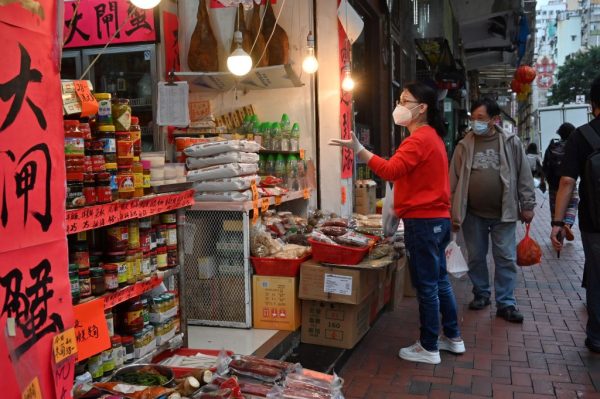
The economic chill now extends beyond produce markets and into this year’s Lunar New Year. In cities such as Beijing and Shanghai, streets appear noticeably quieter. People returning home for the holiday say rural areas no longer feel as lively as they once did. Markets that were traditionally crowded are now subdued.
Videos shared online show roads that were once choked with traffic now largely empty. For many, the sudden stillness has made the end of the year feel unsettling and unreal.
Vegetable prices have also descended into disorder. Cabbage sells for around RMB 1.2 per jin, scallions for RMB 1.45, chives for RMB 2.2, and green peppers for about RMB 5 per jin. Even at these prices, vendors report sluggish sales.
For many Chinese families, the Lunar New Year was once a time of celebration and reunion. In recent years, it has increasingly become a source of stress. Some now say that 2026 may be the quietest New Year they can remember.
Shrinking consumption and public anxiety
On social media, users complain about rising holiday costs, job insecurity, and mounting family expectations. Many say they have abandoned large purchases altogether. Shops selling New Year goods are seeing far fewer customers than in previous years.
One vendor described how even basic items have become difficult to sell. Fruits that once moved easily at RMB 2.5 per jin now sit untouched. Vegetables priced at five yuan for three jin draw little interest. Tea eggs, once a ubiquitous snack, now attract few buyers. Traditional foods that were once surrounded by crowds now see only a handful of customers.
“Wherever you go, no one says business is good,” the vendor said. “If someone shows even a little intention to buy, you have to cling to them.”