Between Scotland’s moors and coastline, scattered are a number of stone monuments dating from the 6th to 9th centuries. These Pictish carved stones feature cross patterns and geometric symbols, but they also depict a mysterious animal figure: the “Pictish beast.” It appears to be swimming, with a streamlined, elongated body and a head often adorned with a raised, crown-like structure. With no written explanation and no clear records, only the frozen contours remain on the stone. What do these images actually symbolize?
Moving figures on the stones
In 1867, 19th-century scholar John Stuart published the second volume of Scotland’s Sculptured Stones, including Plate 22, which catalogs various Pictish beast images. From the simple outlines on early standing stones to the more detailed decorations on cross slabs, the form clearly evolved over time. Most beasts are depicted with their backs horizontal or slightly tilted, while some appear at 45-degree or even vertical angles, showing variations in how craftsmen arranged the images on the stone surfaces.
Some scholars suggest these animals may represent dolphins or porpoises. Cetaceans can still be seen along Scotland’s east coast, especially near Chanonry Point and Cromarty, known for bottlenose dolphin watching. The misty columns formed when whales or porpoises surface for air may have inspired the crown-like head structures. Others speculate they could depict mythical creatures, water spirits, hippocamps, or even abstracted elephants or anteaters.
Due to the lack of textual explanation, the true meaning of these totems remains speculative. Notably, these 6th–9th century images may be early visual prototypes of later water horse or water spirit depictions.
Shapeshifters in lakes
If the beasts on stones are still symbolic, in later folklore they gradually gained personality and action.
Success
You are now signed up for our newsletter
Success
Check your email to complete sign up
The kelpie is one of Scotland’s best-known water spirits, typically portrayed as a shape-shifting water horse inhabiting lakes, rivers, or deep pools. Some scholars, such as John Gregorson Campbell, argue that kelpies were originally river spirits and should be distinguished from lake-dwelling water horses. Author Walter Scott, however, believed their activity could include lakes. Later lexicographers tended to associate kelpies initially with streams, later generalizing them to all types of water spirits.
Almost every significant body of water in Scotland has stories connected to kelpies. While Loch Ness’s monster legends are not the same as kelpie tales, both reflect human imagination regarding the unknown powers of water.
Hooves, silver bridles, and shapeshifting
Kelpies are usually described as strong, beautiful black horses, though gray or white versions exist. One distinctive feature is that their hooves point backward. Legends say they lure people to ride them before plunging into deep water, drowning the rider.
Some stories claim kelpies can take human form. In this shape, their hair may contain strands of waterweed, and some versions even retain hooves. The 18th-century poet Robert Burns mentioned kelpies in his 1786 poem To the Devil, linking them to Satanic imagery, reflecting the blending of Christian culture with folk belief.
Social function of the legends
Scholars generally agree that kelpie stories had practical warning purposes: to keep children away from dangerous waters, caution young women about strangers, and use supernatural narratives to explain drownings and other tragic events.
Some origins may lie in natural phenomena. Whirlpools, water columns, and mist over lakes could have created illusions of living creatures to ancient observers. Walter Scott, in The Lady of the Lake, describes a “river demon” rising from foam, likely a literary transformation of this visual experience.
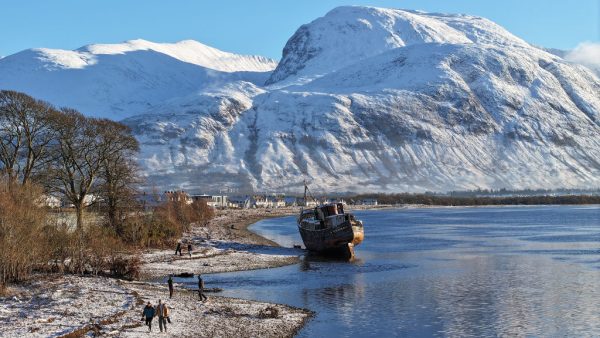
Between carved stones and lakes
From the swimming beasts on Pictish stones to the shape-shifting water horses in lakes, this river of legend spans a millennium. Whether the Pictish beast is the precursor of the kelpie remains uncertain, but Scotland’s waters have long carried human projections of awe and the unknown.
The stones are silent, the waters still, yet when people gaze at those streamlined contours or the whirlpools of a lake, they cannot help but wonder: are these memories of nature, or reflections of myths that have not yet faded?