Glorious on the outside, fragile within
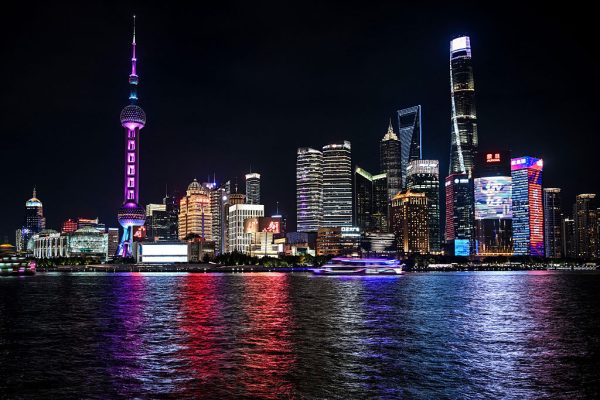
For years, China’s global calling card has been infrastructure. Skyscrapers pierce the skyline, cross-sea bridges span vast waters, and high-speed rail lines race across the country at what is proudly called “China speed.” Steel and concrete have been presented as proof of national strength.
Yet during the 2024 Lunar New Year travel season, an unexpected contrast emerged. High-speed trains, long promoted as a symbol of efficiency and modernity, appeared unusually quiet at the height of peak travel. Meanwhile, decades-old “green-skin” trains were overcrowded, with even standing tickets difficult to secure.
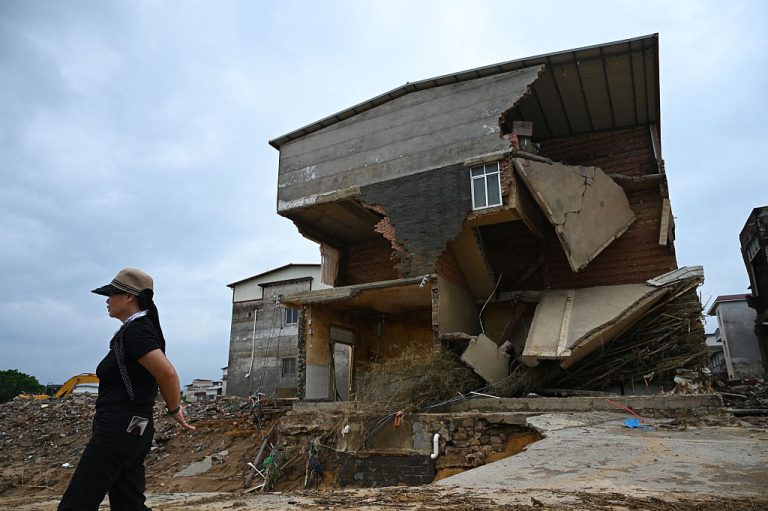
The contrast is telling. In an economic downturn, many ordinary citizens no longer have the disposable income to afford high-speed rail fares and are forced to choose cheaper alternatives. Beneath the glittering surface, deeper weaknesses are becoming visible. Projects once hailed as “world-class” are revealing what critics have long called “tofu-dreg projects,” a term in China for shoddy, corner-cut construction.

A misjudgment from Taiwan: do you really want this kind of ‘infrastructure?’
In Taiwan, Kinmen legislator Chen Yuzhen has repeatedly proposed opening outlying island construction projects to Chinese participation and has spoken favorably about mainland engineering standards.
Such praise appears striking when viewed against recent events in mainland China. If Taiwan believes it is embracing the advantages of an “infrastructure powerhouse,” then Shanghai — China’s most developed and modern city — should represent the model at its best.
Success
You are now signed up for our newsletter
Success
Check your email to complete sign up
What happened there was not an engineering miracle. It was an engineering fright.
Shock on Shanghai’s Qixin Road
During the Lunar New Year period, a section of Qixin Road in Shanghai, normally a busy urban artery, suddenly collapsed.
The road surface gave way without warning, as if a giant mouth underground had swallowed everything above it. The pavement fractured and sank. Nearby buildings reportedly shook. Dust filled the air.
This was not limited to the roadway. Underground metro structures were also affected. Through the massive cavity left behind, water surged upward, mixing with soil, broken pipes, and exposed steel reinforcement bars.
The location was not unfamiliar with such danger. On Aug. 22, 2023, a collapse in the same area swallowed a small sedan. Less than a year later, the ground failed again. The construction unit involved was China Railway Group, a major state-owned enterprise often described as part of the country’s “national team.”
After the accident, barricades went up and information tightened. Hundreds of workers were mobilized for emergency repairs during the holiday, eating cold bread and drinking bottled water in freezing wind as they worked. These frontline laborers, who should have been home for the Lunar New Year, were left to fill holes created far above their pay grade.
An eyewitness captured the fear in a single question: “If someone were driving past and suddenly fell in, what then?”
Cement like porridge, stones in the concrete
Why do collapses recur? Why do newly completed roads fail so quickly?
The answer lies in a system shaped by cost-cutting and layered subcontracting. Funds allocated at the top are skimmed away level by level before reaching construction crews. By the time work begins, little remains.
Cement slurry is mixed thin, described as resembling “porridge.” Concrete is bulked up with oversized stones to reduce material costs. On the surface, a fresh coat of gray paint creates the appearance of solidity for inspections. Beneath that surface, voids remain. Roadbeds are laid over crushed stone and sand without proper compaction. Under such conditions, failure is not surprising.
The problem extends beyond roads. In residential real estate, newly delivered buildings have floor slabs so thin they raise alarm. Exterior walls crack and peel shortly after renovation. New apartments leak heavily during rain. Some homeowners who opened interior walls found construction debris inside.
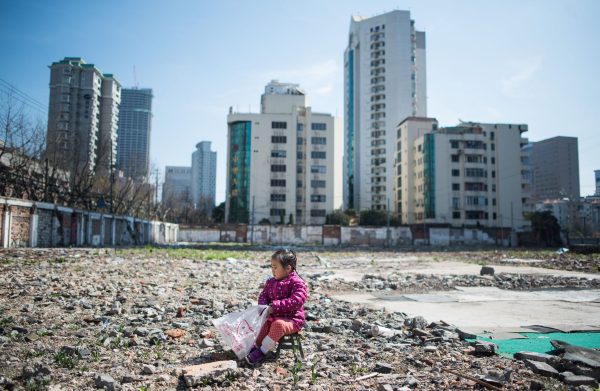
Such buildings are not designed to last generations. Some may not last a decade.
Not an infrastructure powerhouse, but a nation of hazardous construction
The black void on Qixin Road, roadside warning markers made of wooden sticks and red plastic bags, and the contrast between quiet high-speed trains and overcrowded older ones form a single picture.
The so-called “infrastructure powerhouse” resembles a mirage built on mortgaged futures, compromised safety, and entrenched corruption. The system serves political performance targets and powerful interests more than public welfare.
For those in Taiwan and elsewhere who admire the spectacle of high-rises and wide boulevards, the warning is stark. The structures that look solid may conceal emptiness within.
Do you really want this kind of “tofu-dreg” project?
(The article represents only the author’s personal position and views and do not necessarily reflect those of Vision Times..)
By Chen Jing