Across China, New Year celebrations aren’t merely a holiday; they’re seen as rituals of renewal steeped in symbolism and centuries-old culinary traditions. From north to south, families prepare special dishes whose names and ingredients carry auspicious meanings, reflecting hopes for prosperity, longevity, harmony, and abundance in the year ahead. Here’s a closer look at some of the most popular dishes:
Preparing ‘New Year’s rice’
10 days before the New Year, households begin stocking up on festive provisions: Poultry, fish, tea, wine, preserved goods, sweets, nuts, and fruits. In Jiangnan (southern China), families traditionally prepare “New Year’s rice” in advance, placing freshly cooked rice in a bamboo basket topped with red oranges, water chestnuts, black caltrops, and “gold ingot cakes,” decorated with pine and cypress branches.
In northern China, the New Year’s rice is often made from mixed yellow and white grains, symbolizing gold and silver. It is adorned with red dates, chestnuts, and longan, again with pine branches inserted for good fortune.
Auspicious foods
New Year cuisine is filled with symbolic wordplay. In Jiangnan households, tea served to guests may be accompanied by two olives placed on the tea tray or bowl lid, called “wubao tea” (literally “no treasure tea”), a homonym suggesting the arrival of blessings.
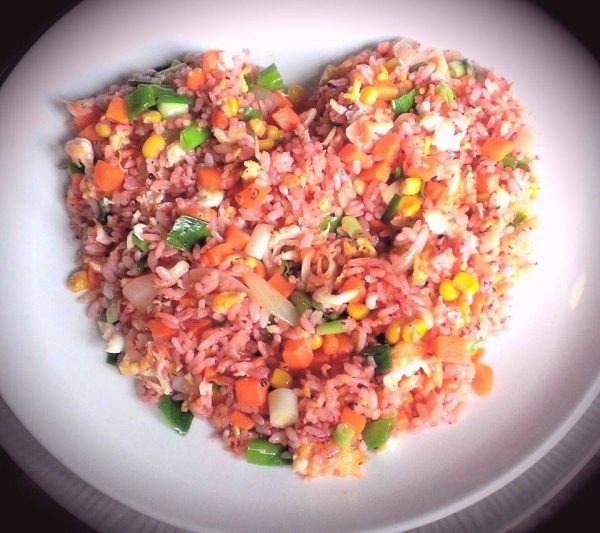
Every New Year’s meal typically includes stir-fried green vegetables, symbolizing warmth and closeness among family members. Bean sprouts, shaped like traditional scepters, represent wishes fulfilled. Fish is essential, but it must not be fully eaten—“leaving fish” sounds like “leaving surplus” (年年有余), signifying abundance in the coming year.
Success
You are now signed up for our newsletter
Success
Check your email to complete sign up
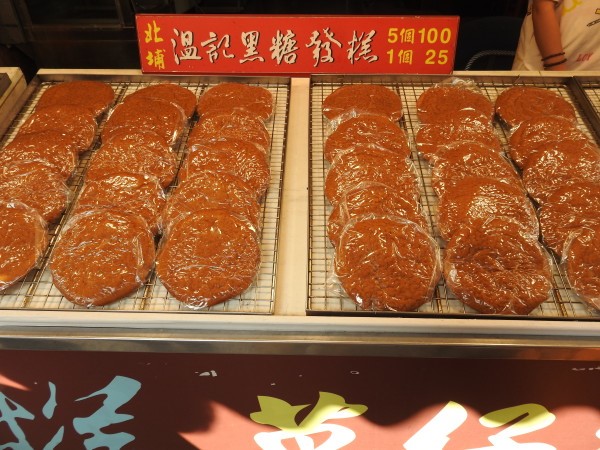
Rice cakes (niangao) are consumed across both northern and southern China. Because the word sounds like “year higher,” eating them expresses the wish that life will improve “year after year.”
Dumplings signal prosperity
In northern China, eating dumplings on Lunar New Year’s Eve and the first day of the New Year is a cherished tradition. Dumplings resemble ancient gold ingots, symbolizing wealth. Some families hide sugar in a dumpling to bring sweetness in the coming year, peanuts (known as “longevity fruit”) for long life, or a coin for financial fortune.
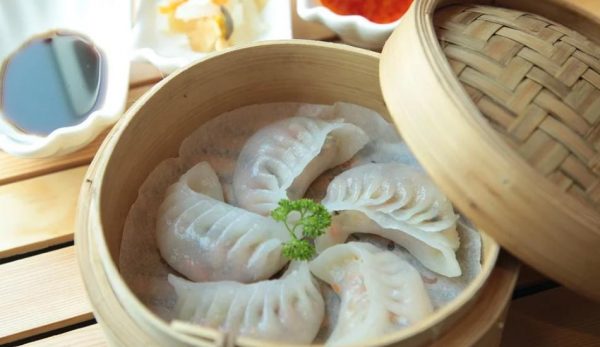
In some regions, dumplings and noodles are cooked together in a dish called “gold threads threading ingots,” combining prosperity and longevity. Dumpling styles vary widely: Boiled dumplings in Beijing, “Laobian” dumplings in the northeast, and pan-fried varieties in the south.
Regional first meals
The first meal of the New Year carries particular importance, with each region expressing blessings through distinctive dishes. In Xinjiang, Uyghur families traditionally eat fragrant pilaf made with rice, lamb, and raisins, along with lamb dumplings and hand-pulled lamb.
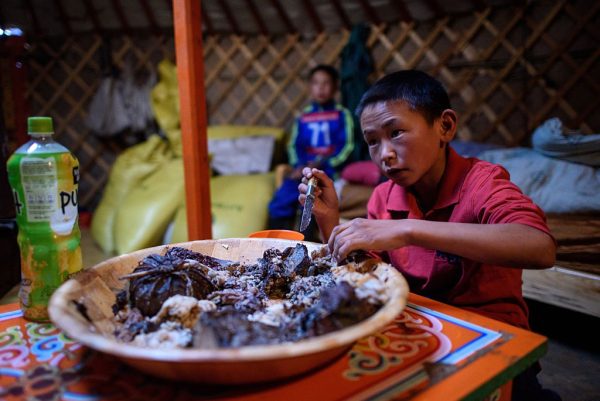
Among Mongolian families on the northern grasslands, relatives gather inside yurts, offering ceremonial wine to elders before sharing roasted lamb and boiled dumplings.
In Sichuan and Chongqing, families eat tangyuan: Glutinous rice balls symbolizing reunion, family harmony, and sweetness. In Yunnan, Bai communities drink sweet rice puff soup, hoping the year will be “as sweet as sugar,” while Miao households may serve milk cakes and fried pastries.

In parts of Hubei, drinking chicken soup on New Year’s Day symbolizes peace and clarity. The primary breadwinner may eat chicken feet to “grasp wealth,” students eat wings to “soar high,” and family heads eat chicken bones to signify standing out from the crowd. In Jingzhou and Shashi, families eat eggs to represent solidity and good fortune.
In Hunan, many households eat rice cakes, wishing for steady improvement, while some Miao communities enjoy sweet rice wine and zongzi to symbolize sweetness and abundant harvests.
Spring bites mark sweet beginnings
In Anhui, some families “bite spring” by eating raw radish, believed to ward off illness and bring good luck. In parts of Shaanxi and Henan, dumplings and noodles are cooked together in dishes known as “gold threads threading ingots” or “silver strings suspending gourds,” both rich in symbolism.
In Jiangsu and Zhejiang, families eat a “spring platter” made of celery, garlic chives, and bamboo shoots, representing diligence and long-lasting prosperity. In Jiangxi’s Poyang region, dumplings and fish symbolize both wealth and abundance.
In Guangdong, some families prepare “ten-thousand-year grain,” or enough food for three days, signifying that there will be no worry about sustenance. In Chaozhou, fried rice cakes and “five-fruit soup” express wishes for sweetness and continuity.
In Fujian’s Minnan region, eating noodles on the first day represents longevity, while in Zhangzhou, sausages, preserved eggs, and ginger symbolize increasingly prosperous days.
In Taiwan, some Indigenous communities eat “longevity greens,” long-stem mustard greens, sometimes paired with vermicelli, expressing hopes for enduring life and unbroken continuity.
Though dishes differ across regions and ethnic groups, the intention remains the same: To welcome the New Year with blessings of safety, prosperity, sweetness, and renewal spoken through the universal language of food and family gatherings.