Starting next year, schools serving China’s ethnic minority groups such as Uyghurs and Tibetans will be required to teach core subjects in Mandarin Chinese, rather than those people’s native languages, according to a new draft law.
The law will mark a significant shift from policies dating back to the Mao era, which allowed non-Chinese ethnic minorities to use their languages in a variety of public contexts.
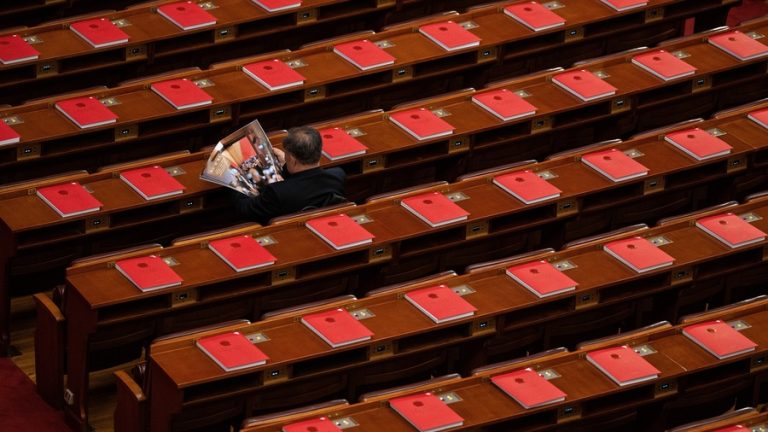
The proposed Law on Promoting Ethnic Unity and Progress is expected to be approved during the 2026 meeting of the National People’s Congress in Beijing, to be held between March 4 and March 12. According to a draft cited by the Financial Times, the legislation is aimed at “forging a sense of community in the Chinese nation.” It also provides for legal action against individuals, inside or outside China, who undermine “national unity” or promote “separatism.”
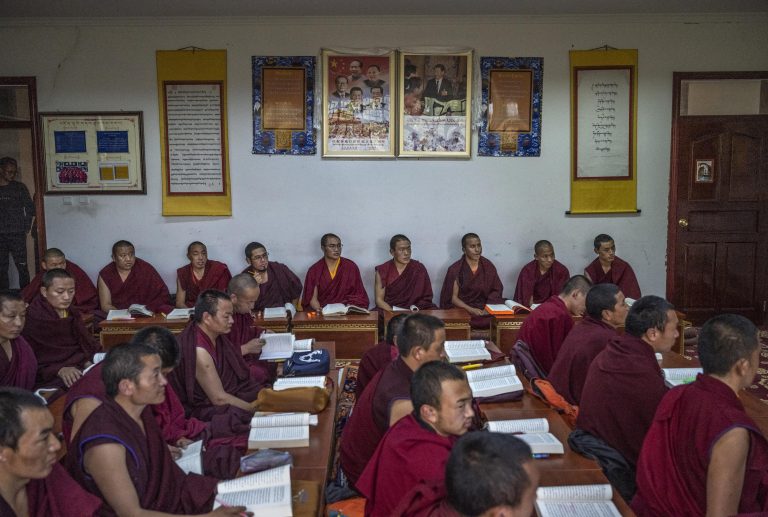
While minority languages may still be taught as second languages in specialized classes, groups such as Tibetans, Uyghurs, and Mongolians would no longer be entitled to use their native languages as the main medium of instruction for core subjects in schools and universities.
The measure represents the latest step in Chinese leader Xi Jinping’s “Sinicization” campaign, which critics say seeks to assimilate ethnic minorities more closely into Han-majority society. The Han account for about 90 percent of China’s 1.4 billion people, though the country officially recognises 56 ethnic groups and numerous minority languages, some with their own written scripts.
Success
You are now signed up for our newsletter
Success
Check your email to complete sign up
Analysts say the legislation could significantly expand the legal framework for restricting religious, cultural, and political activities among minority communities, further tightening state control in sensitive regions such as Xinjiang and Tibet.
Over the last decade and earlier, the Chinese Communist Party (CCP) has ramped up social controls over ethnic minority regions, introducing policies and campaigns that have been criticized for erasing the local identities and allegedly involving vast abuses such as mass incarceration and forced labor.