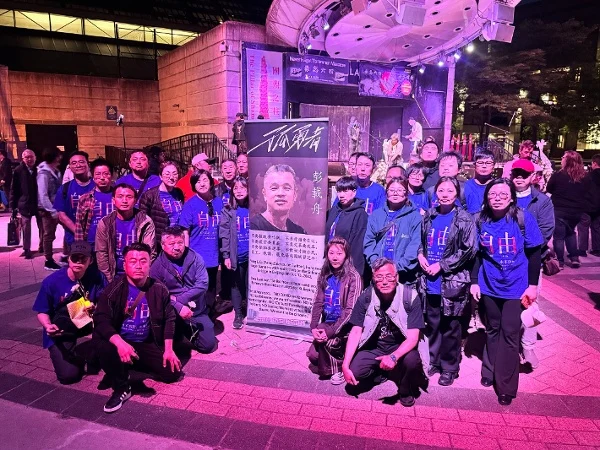
Tibetan exile organizations held a candlelight vigil at Taipei’s Liberty Square on March 10, 2026, to mark the 67th anniversary of the Tibetan uprising against CCP rule. Multiple Taiwanese legislators and members of the National Human Rights Commission attended. During the event, a man in a red shirt threw lit firecrackers into the crowd in an apparent attempt to disrupt the proceedings. Police arrested him on suspicion of violating assembly laws and intimidation statutes. Organizers said the incident reinforced their warnings that CCP-linked “transnational repression” is targeting Tibetan advocacy events on Taiwanese soil.
The vigil marked the 67th anniversary of the March 10, 1959 Tibetan uprising, when residents of Lhasa rose up against Chinese Communist rule and were met with a military crackdown. The Taiwan Tibetan Welfare Association, the Tibetan Youth Congress Taiwan chapter, and other organizations hosted the event at Liberty Square.
Kelsang Gyaltsen, chairman of the board of the Dalai Lama Religious Foundation, attended the vigil and read a statement issued by the Central Tibetan Administration, the Tibetan government-in-exile based in Dharamsala, India.
Kelsang Gyaltsen said the CCP government is forcibly classifying all non-Han ethnic groups, including Tibetans, as part of the “Chinese nation.” Under the slogan of “forging a strong sense of Chinese national community,” Beijing is using state resources to implement systematic policies in Tibet designed to eliminate Tibetan national identity.
He said over one million Tibetan children have been placed in state-run boarding schools where Tibetan language and cultural education is severely restricted and the children receive intensive political indoctrination in CCP ideology. Through programs the Chinese government labels “vocational training and labor transfer,” Beijing is carrying out mass forced relocations of Tibetan farmers and herders. Kelsang Gyaltsen said these acts constitute forced displacement or enslavement and qualify as crimes against humanity.
Success
You are now signed up for our newsletter
Success
Check your email to complete sign up
He emphasized that the Tibet issue is an unresolved international dispute, not an internal Chinese affair. The CCP’s effort to eliminate the Tibetan people’s culture and identity, he said, will ultimately fail.
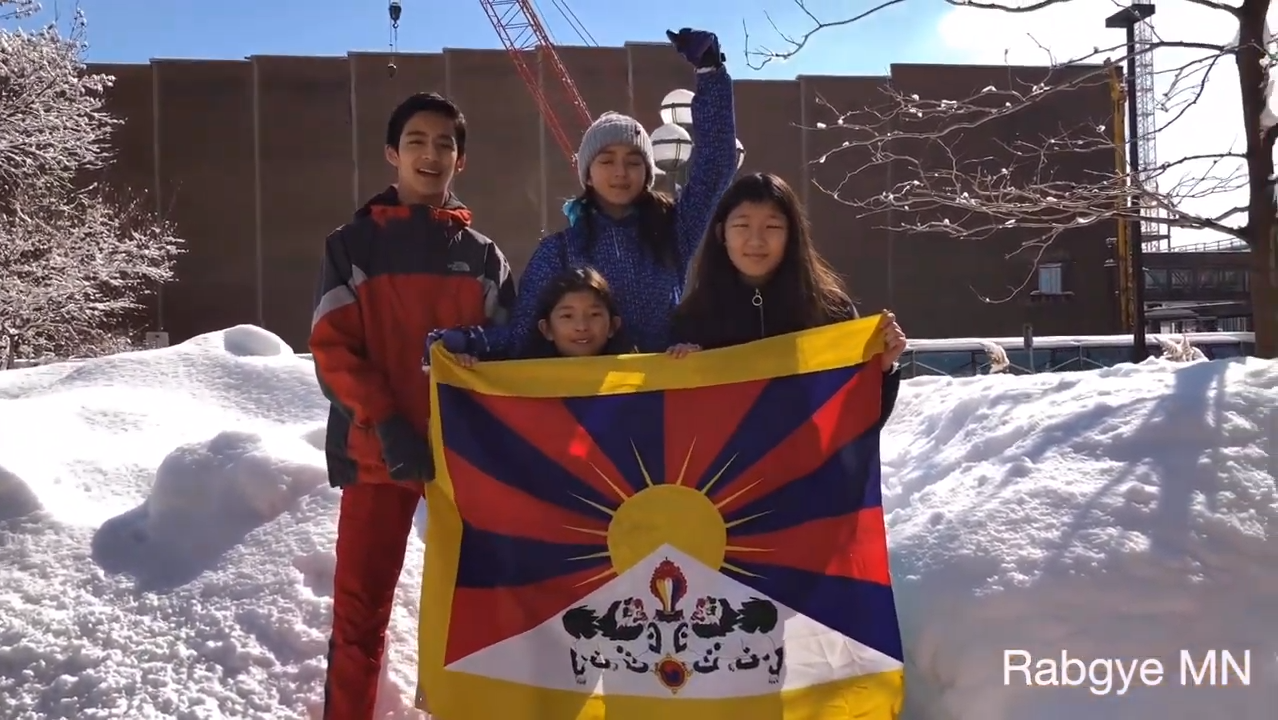
CCP interference in the reincarnation system violates Tibetan religious freedom
Ji Huirong, deputy chair of Taiwan’s National Human Rights Commission, along with commissioners Tian Qiujin and Wang Youling, also attended the vigil. Ji said Tibetans are being forced to learn Han Chinese culture and language, and are even compelled to adopt Chinese-style names. The CCP has also inserted itself into the Tibetan Buddhist reincarnation system, which sits at the center of Tibetan religious life, violating Tibetans’ freedom of religion. Beijing’s repression now extends globally through threats and propaganda operations that amount to transnational repression, Ji said.
Several Taiwanese legislators also attended and spoke. Wu Peiyi, chair of the Taiwan Parliamentary Tibet Caucus and a legislator from the ruling Democratic Progressive Party, shared her experience leading a recent delegation to India to celebrate the Dalai Lama’s birthday. She described the concern Tibetans in exile expressed about Taiwan’s own security in the face of CCP pressure.
Shen Boyang, a DPP legislator, said the CCP’s recent threats against him personally were only the latest link in a long chain of repression. “Before me there was Hong Kong. Before Hong Kong there were the Uyghurs. Before the Uyghurs there was Tibet.” He urged that international support for human rights continue.
Chen Zhaozi, a Taiwan People’s Party legislator and member of the Tibet caucus, also attended.
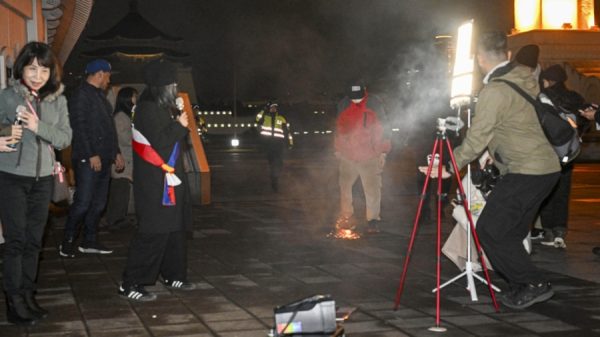
Midway through the event, a man wearing a red shirt lit and threw firecrackers into the crowd. Police detained him and took him to a station for investigation. The vigil continued without further incident and concluded as planned. Taipei’s Zhongzheng First Precinct said the man’s actions potentially violated Article 31 of the Assembly and Parade Act, as well as criminal statutes covering public intimidation and coercion. Police said anyone who attempts to use violence or other means to obstruct a lawful assembly will face strict enforcement.
Organizers noted that the March 7 “67th Anniversary of the Tibetan Uprising” march in Taipei, as well as previous Tibet-related events in Taiwan, had encountered similar harassment. “Opposing transnational repression is not a slogan,” they said. “It is something that is happening in real time.”
Thousands marched in Taipei on March 7 against CCP transnational repression of Tibetans
A separate march took place on March 7 in Taipei’s eastern commercial district, according to Radio Taiwan International. This year’s march theme was “Protect Reincarnation Autonomy, Oppose Transnational Repression.” Organizers said the CCP’s repression of Tibetans has expanded from a domestic campaign inside Tibet to a global operation targeting Tibetan communities and their supporters abroad. They called on the Taiwanese public to stand up for Tibet and defend Taiwan’s own democratic values against the CCP’s authoritarian reach.
Yeh Dahua, a commissioner on the National Human Rights Commission who participated in the march, said the CCP has never stopped its repression of the Tibetan people. In recent years, Beijing has extended that repression directly to Hong Kong and Taiwan, using information operations designed to silence dissent and discourage public support for human rights.
By Li Jing-yao