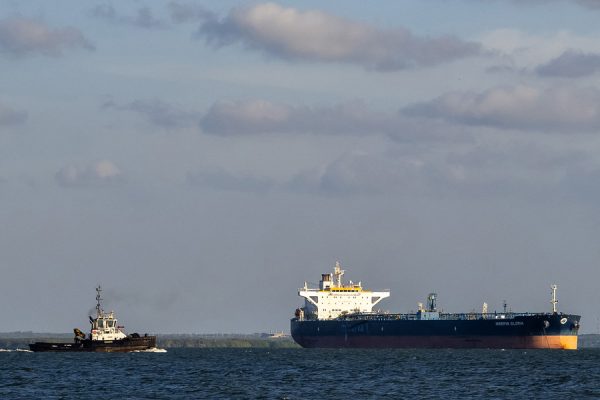

The Trump administration on Wednesday, March 18 announced a partial easing of sanctions on Venezuela’s oil sector, aiming to increase global supply as tensions in the Middle East disrupt energy flows.
The U.S. Treasury Department issued a broad authorization allowing American companies to conduct limited business with Venezuela’s state-owned oil and natural gas company, Petróleos de Venezuela S.A. (PDVSA), under specific conditions.
The move marks a significant shift from years of U.S. policy that largely blocked transactions with the Venezuelan government and its oil industry. Under the new framework, Venezuela will be able to resume oil sales to U.S. firms and international markets, subject to restrictions.
The policy adjustment comes as conflict involving Iran continues to affect global energy markets. Disruptions to shipping through the Strait of Hormuz, a key transit route for roughly one-fifth of the world’s oil, have raised concerns about supply shortages and price volatility.
In response, Washington has moved to secure alternative sources of crude. Easing restrictions on Venezuela is intended to help stabilize supply and mitigate the risk of further price increases and inflation linked to energy shortages.
Success
You are now signed up for our newsletter
Success
Check your email to complete sign up
The Treasury’s licensing system is designed to encourage investment in Venezuela’s oil sector, which has suffered years of decline. U.S. officials have issued multiple general licenses to energy companies in recent months as part of the effort.
The licenses provide targeted sanctions relief rather than a full rollback. Companies with existing operations prior to Jan. 29, 2025, are permitted to purchase Venezuelan oil and engage in transactions that were previously restricted.
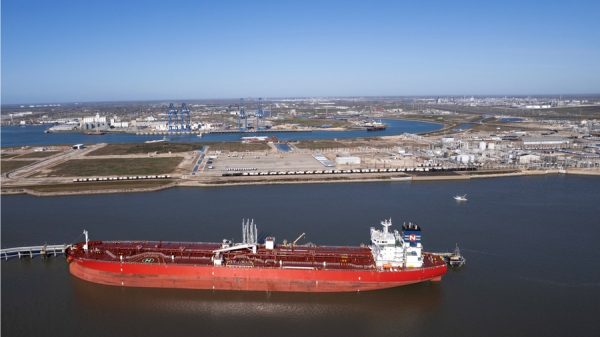
Strict financial controls remain in place. Payments cannot be made directly to sanctioned entities such as PDVSA and must instead be routed through special accounts under U.S. oversight, ensuring that Washington maintains control over revenue flows.
Transactions involving Russia, Iran, North Korea, Cuba, and certain Chinese entities remain prohibited. Deals related to Venezuelan sovereign debt or bonds are also barred. The use of gold or cryptocurrencies, including Venezuela’s state-backed digital currency, is explicitly banned.
Trump has previously said the United States would seek to play a central role in managing Venezuela’s oil output and exports as part of a broader strategy toward the country.
The decision is part of a phased approach by the administration to reshape Venezuela’s economic and political landscape.
Venezuela holds the world’s largest proven oil reserves but has seen production collapse over the past two decades. Output fell from about 3.5 million barrels per day in 1999, when Hugo Chávez took power, to less than 400,000 barrels per day by 2020.
The sharp decline, driven by corruption, mismanagement, and deteriorating infrastructure, has weakened the country’s economy and reduced its role in global energy markets.
During Trump’s first term, Washington imposed sweeping sanctions on PDVSA in response to what it described as corruption and anti-democratic actions by the government of Nicolás Maduro. The restrictions forced Venezuela to sell oil at steep discounts, often to buyers in China and other Asian markets, sometimes using alternative payment methods such as barter or non-dollar currencies.
The White House also said Trump would grant a 60-day waiver of the Jones Act as part of the broader policy package.