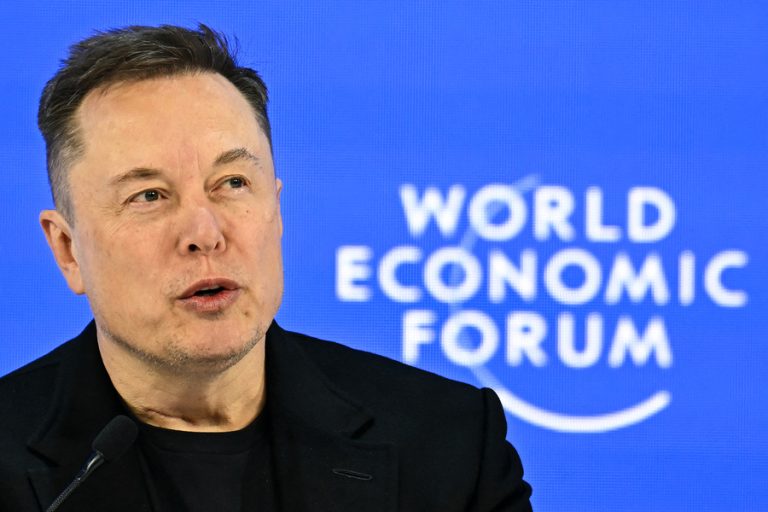
As the partial shutdown of the U.S. federal government continues beyond one month, an “unconventional proposal” from the tech sector has quickly drawn public attention. Tesla and SpaceX CEO Elon Musk stated on Saturday, March 21 that he is willing to pay the salaries of unpaid Transportation Security Administration (TSA) workers out of his own pocket.
According to Fox News, Musk posted on X (formerly Twitter) that the current fiscal deadlock has negatively affected the lives of millions of travelers at airports nationwide. He said he is willing to cover TSA employees’ wages to ease the hardship. The statement quickly became a focus of public discussion and was interpreted as an attempt to exert entrepreneurial influence during a public crisis.
However, it remains unclear how such a proposal could be implemented. Legal and institutional barriers exist, including whether private funds can legally be used to pay federal employees.
Government shutdown deadlock hits TSA first
The crisis stems from Congress’s failure to reach an agreement on funding for the Department of Homeland Security (DHS). As a subordinate agency, the TSA has been directly impacted. Republicans advocate for overall funding, while Democrats favor splitting the budget, allocating funds to agencies like the TSA separately and decoupling them from immigration enforcement. The disagreement persists.
Since the partial shutdown began on Feb. 14, about 65,000 TSA employees have been forced to continue working without pay, including roughly 50,000 responsible for security screening at about 440 airports nationwide. These workers are classified as “critical employees” who must report for duty, but their salaries have been delayed.
Success
You are now signed up for our newsletter
Success
Check your email to complete sign up
Mint reported on March 21 that prolonged unpaid status has severely impacted frontline employees’ lives. Many TSA workers have had to rely on side jobs to make ends meet, including delivering for Amazon or driving for Lyft and Uber.
Union representatives said some employees have even applied for food assistance, been forced to sleep in their cars, and a few have been evicted from their homes. Several airports have implemented temporary relief measures, such as food distribution points and accepting donations of essential supplies to alleviate the pressure.
Meanwhile, a wave of resignations has begun. Data show that hundreds of employees have resigned since the shutdown, further exacerbating staffing shortages.
Rising security pressure and safety concerns
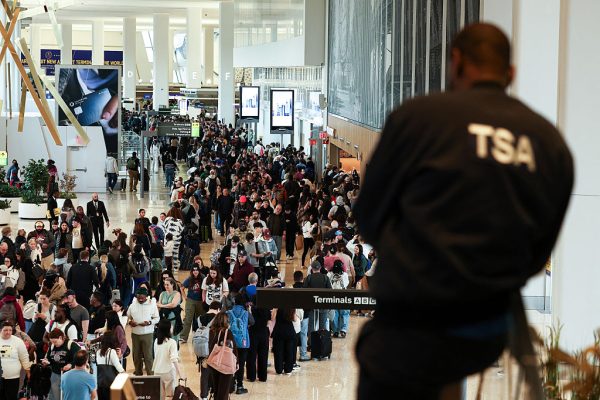
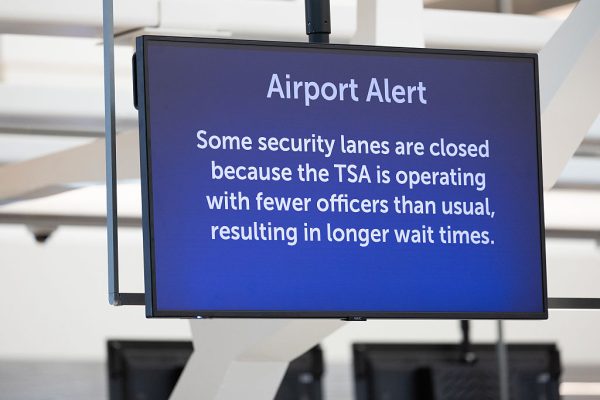
The manpower shortage has quickly affected airport operations. Severe delays have occurred at many airports, with some security wait times exceeding three hours. On-site footage shows large numbers of travelers stranded at security entrances and on escalators waiting in line.
Unions warned that with hiring freezes and staff attrition, airport security risks “will only worsen.” Security personnel working under high pressure and fatigue are also considered likely to reduce overall protective capabilities.
Against this backdrop, Musk’s proposal to “cover salaries” has symbolic significance, but whether it can actually be implemented depends on further legal and institutional clarification.