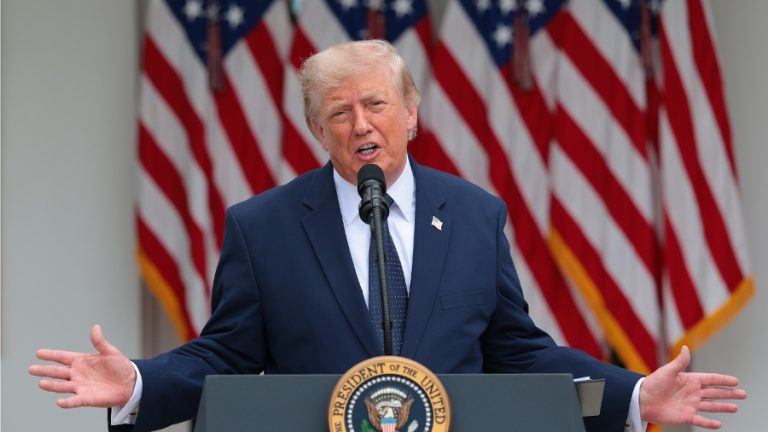
On Friday, March 27, U.S. President Donald Trump signed a memorandum directing the payment of salaries to Transportation Security Administration (TSA) employees amid a funding impasse in Congress over the Department of Homeland Security (DHS). The White House said the move aims to ease severe airport security line congestion and operational disruptions across the country.
Trump said that employee absenteeism “unacceptably increases the risk of security vulnerabilities in the domestic travel system and negatively impacts countless Americans.”
In the memorandum, he noted that the U.S. air travel system is on the brink of collapse, and the current situation constitutes a national security emergency. The government will use funds reasonably related to TSA operations to pay employee salaries.
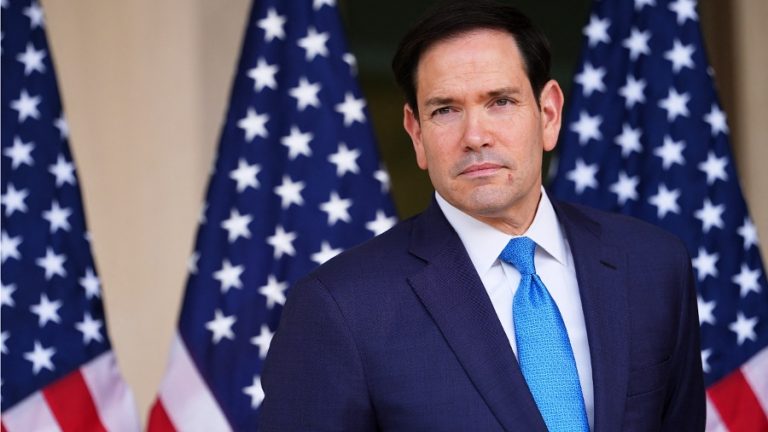
DHS Secretary Markwayne Mullin said TSA employees could start receiving pay as early as next Monday. A senior government official revealed that the funding will come from the tax law Trump signed last year, comparing it to the practice of paying military personnel during previous government shutdowns.
Congressional deadlock intensifies — 42 days without funding
Before Trump’s executive action, House Republicans rejected a funding bill that had already passed the Senate. The bill was meant to fund most DHS agencies but did not include funding for Immigration and Customs Enforcement (ICE) and the Border Patrol.
Success
You are now signed up for our newsletter
Success
Check your email to complete sign up
House Speaker Mike Johnson criticized the plan as “meaningless” and said House Republicans would push an alternative bill to maintain current departmental spending through May 22. He disclosed that he had spoken with Trump, who supports the plan.
Republicans were unhappy that the Senate version did not provide funding for immigration enforcement agencies, while Democrats insisted that no additional funding should be given without reforming immigration enforcement. The House plans to push a new continuing resolution, but its passage remains uncertain.
Senate Democratic Leader Chuck Schumer said the House’s proposed 60-day temporary plan will not pass the Senate and believes Republicans “know this full well.”
The funding deadlock has now entered its 42nd day, causing a partial DHS shutdown, worsening airport congestion, and creating financial pressure for thousands of federal employees.
Temporary agreement reached, but controversy remains
Amid rising pressure, senators reached a late-night agreement Thursday to fund most DHS agencies, including FEMA, the Coast Guard, and TSA. However, the agreement did not provide additional funding for ICE or the Border Patrol and did not include Democratic demands for immigration enforcement restrictions.
Senate Majority Leader John Thune said the agreement would allow the government to “partially resume operations,” but further negotiations are still needed.
Democrats argued that the outcome could have been achieved earlier and emphasized that they will continue pushing for limits on immigration enforcement actions to ensure no additional funding is given before major reforms are implemented.
Because the previously passed tax law provided extra DHS funding, including $75 billion for ICE operations, immigration enforcement was largely unaffected during the shutdown. Conservative Republicans criticized the current plan as insufficient and stressed that ICE will receive adequate resources in the next budget.
Airport strain intensifies — TSA staff attrition severe
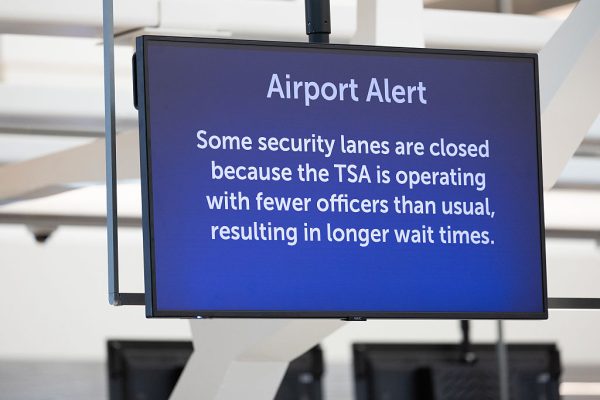
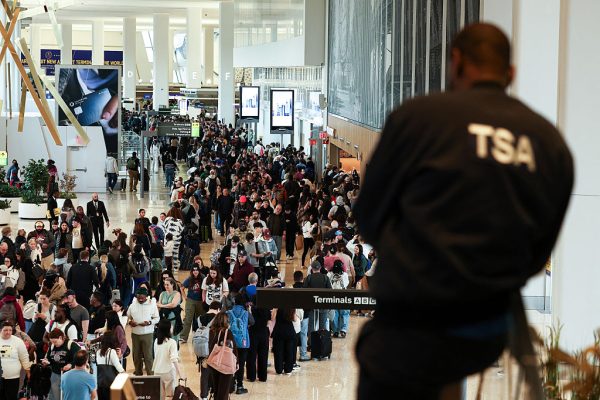
The funding shutdown has clearly impacted the U.S. air travel system. Many TSA employees, unable to receive pay on time, chose not to work, leading to understaffed security checkpoints, longer lines, flight delays, and even warnings of potential airport closures.
Data shows that TSA employee absenteeism exceeds 40% at multiple airports. Of roughly 50,000 security personnel, nearly 500 have resigned during the shutdown. On Wednesday alone, over 11 percent of scheduled employees (about 3,120 people) failed to report to work.
Everett Kelley, president of the American Federation of Government Employees, said that while the executive action temporarily addresses payroll, Congress must quickly pass a full funding bill to ensure all employees are paid and critical agencies continue normal operations.