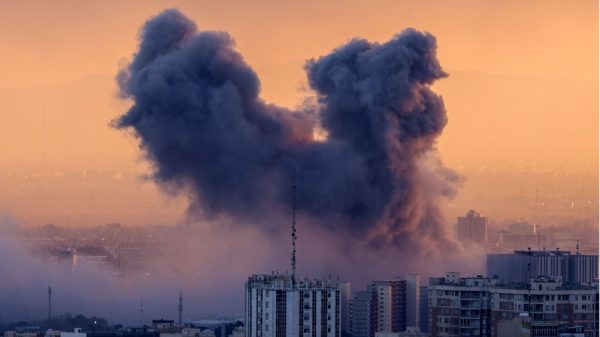
U.S. President Donald Trump confirmed in an interview published on Monday, March 30 in the New York Post that the U.S. is in contact with Iranian Parliament Speaker Mohammad Bagher Qalibaf, seeking to push for an agreement to end the month-long war.
When asked whether Qalibaf is someone the U.S. can work with, Trump said an answer would be provided within about a week.
The 64-year-old Qalibaf was formerly a pilot and also served as a commander in the Iranian Revolutionary Guard. Although there had been reports that he might be the target of U.S. engagement and negotiations, he has denied having held discussions with the U.S.
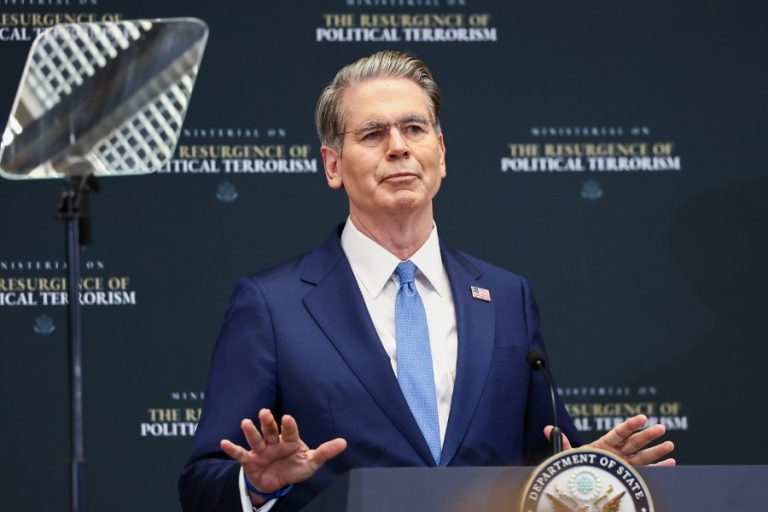
White House Press Secretary Karoline Leavitt said on Monday that the U.S. is still confirming whether the Iranian officials being contacted actually hold power and whether they have the capacity to implement any future agreements.
Leavitt said the work is ongoing. She emphasized that any private statements from the Iranian side will ultimately be tested, and the U.S. will ensure they are held accountable for their commitments. She also described some of the Iranian officials being contacted as “appearing more rational behind the scenes.”
Success
You are now signed up for our newsletter
Success
Check your email to complete sign up
Rubio: Signs of split in Iranian leadership
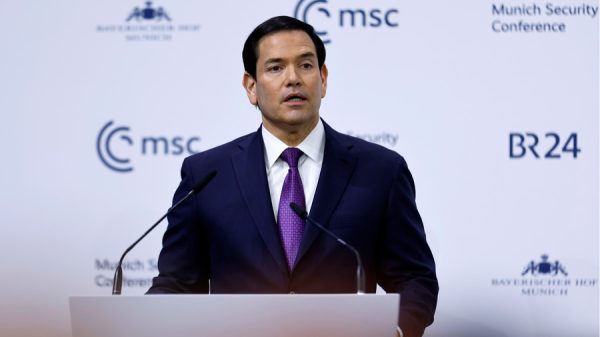
Meanwhile, U.S. Secretary of State Marco Rubio said that under a month of sustained U.S. military pressure, signs of internal division have emerged within Iran’s leadership, making negotiations with a new generation of Iranian leaders possible.
Rubio said in a Monday interview with ABC’s Good Morning America that the Trump administration has noticed differing voices within the Iranian government: one hardline faction and another possibly willing to end the war through negotiations. However, he refused to identify these individuals, citing the risk that public disclosure could put them in danger.
Rubio said: “There are indeed some cracks within their leadership. If those in power now are new figures with more rational views about the future, that would be good news for us, for them, and for the world. But we also have to be prepared for the other scenario, which may even be more likely. So we will continue to test.”
At the same time that the U.S. signals willingness to negotiate, it has not eased military pressure. Rubio also stated that President Trump still holds “multiple options” to counter any Iranian attempt to control the Strait of Hormuz.
Rubio said diplomacy remains Trump’s preferred option, but if Iran tries to control the Strait of Hormuz long-term, or establishes a toll-like system, the U.S. will not allow it. He added that the U.S. has multiple ways to prevent such a situation if the president decides to act.
Just three days earlier, Rubio had stated that the U.S. does not need to deploy ground troops to achieve its objectives in Iran. On Monday, when asked twice whether ground forces were being considered, he did not explicitly repeat that claim.
Trump further warned Monday that if a war-ending agreement is not reached “in the short term,” and Iran does not immediately reopen the Strait of Hormuz, the U.S. will “completely destroy” targets including Iran’s power plants, oil wells, and the oil export hub Kharg Island, potentially even including civilian facilities such as desalination plants.